
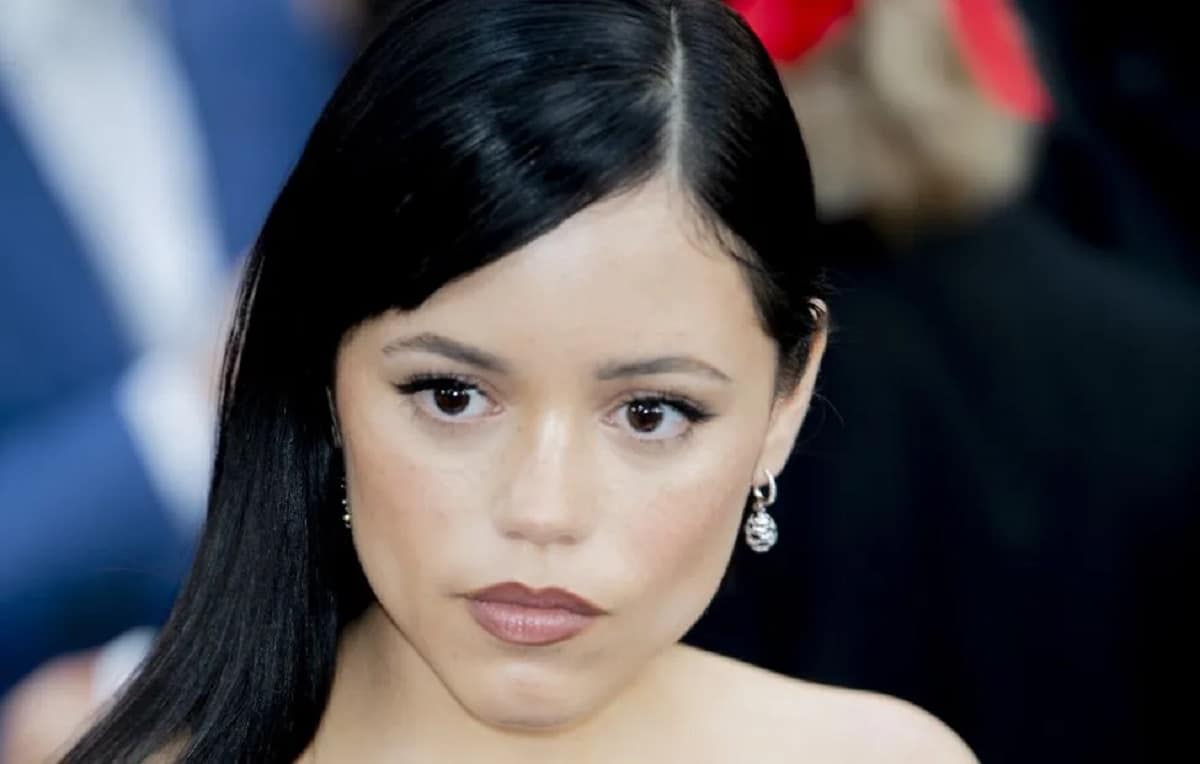
Hollywood has always been a melting pot of evolving narratives and characters, and the ongoing debate about gender representation in iconic roles is no exception. Among the voices contributing to this conversation is Jenna Ortega, the 21-year-old star renowned for her performances in Wednesday and Beetlejuice Beetlejuice. In a recent interview with MTV, Ortega shared her thoughts on the trend of reimagining beloved male characters with female leads, specifically addressing the heated debate surrounding the future of James Bond.
Amazon co-founder MacKenzie Scott has donated over $19 billion to charity in just five years
Diamond batteries powered by nuclear waste promise 28,000 years of clean energy
Embracing More Female Leads, Not Female Versions
Jenna Ortega has been a strong advocate for increasing female representation in Hollywood, celebrating the rise of original female protagonists. “I love that there are so many more main female roles nowadays. I think it’s really special. But we should have our own stories,” Ortega expressed during her conversation with Catherine O’Hara. She emphasized that while female-led films are welcome and necessary, simply gender-swapping existing male characters doesn’t add the same value.
Ortega’s stance is clear: she supports the creation of new, original female characters rather than adapting iconic male roles. “I don’t like it when it’s a spin-off—I don’t want to see a ‘Jamie Bond.’ I want to see a new badass,” she said. This perspective aligns with Barbara Broccoli, the long-time producer of the James Bond franchise, who also believes that James Bond should remain a male character.
Creating Original Female Characters
Ortega’s viewpoint highlights a broader industry conversation about meaningful representation. Instead of reworking established male-centric stories, she advocates for developing unique female characters who can stand on their own. This approach not only enriches the diversity of narratives in Hollywood but also avoids the pitfalls of simply shifting gender without reimagining the character’s essence.
Reflecting on the potential for a female James Bond, Ortega firmly believes that such a move would compromise the character’s original charm and legacy. “I think the next James Bond will be a man because I don’t think a woman should play James Bond,” she stated in 2021. “I believe we need to create characters for women and not just have women play men’s roles.”
The Rise of Iconic Female Heroines
Fortunately, Hollywood has responded to the call for original female heroes without resorting to gender-swapping established characters. Films like Atomic Blonde starring Charlize Theron, Salt with Angelina Jolie, and Black Widow featuring Scarlett Johansson have introduced strong, complex female leads who bring their own unique narratives and strengths to the screen. Additionally, characters like Rebecca Ferguson’s Ilsa Faust in the Mission Impossible series have been praised for their depth and prowess, proving that there is ample room for female characters to shine independently.
These original heroines offer fresh perspectives and storylines, enriching the cinematic landscape and providing diverse role models for audiences. They demonstrate that the industry can successfully expand its repertoire of protagonists without undermining the legacy of iconic male characters.
Conclusion
Jenna Ortega’s views on the portrayal of James Bond underscore an important dialogue in Hollywood about character integrity and representation. By advocating for original female characters rather than gender-swapped versions of existing ones, Ortega and industry leaders like Barbara Broccoli are shaping the future of storytelling in meaningful ways.
As audiences continue to seek diverse and authentic representations in film, the emphasis on creating new, strong female protagonists is likely to resonate, ensuring that Hollywood remains dynamic and inclusive. Jenna Ortega’s passion for genuine character development is a testament to the evolving landscape of the entertainment industry, where originality and authenticity take center stage.
NASA warns China could slow Earth’s rotation with one simple move
This dog endured 27 hours of labor and gave birth to a record-breaking number of puppies
In a world eager for new stories and voices, Ortega’s perspective serves as a reminder that the best way to honor iconic characters is to develop their successors thoughtfully, paving the way for a richer and more inclusive cinematic experience.