

A strange and unexpected sight in rural Missouri left one landowner scratching his head. Late last September, he came across a young deer wearing a multicolored collar and sporting the word “pet” painted on its side. The unusual discovery raised questions and sparked an investigation by local authorities and wildlife experts, bringing attention to the complex issues surrounding the interaction between humans and wild animals.
Amazon co-founder MacKenzie Scott has donated over $19 billion to charity in just five years
Diamond batteries powered by nuclear waste promise 28,000 years of clean energy
An Unusual Encounter
While walking his property, the landowner spotted a two-year-old deer, a creature that appeared far from ordinary. It wasn’t just the brightly colored collar that stood out, but the strange marking on its side: the word “pet” painted in large letters. Baffled by the sight, the landowner immediately contacted the Jefferson County Sheriff’s Office, but by the time the authorities arrived, the deer had already vanished into the woods.
This odd encounter suggests that someone might have tried to domesticate the deer, a theory that’s supported by the Missouri Department of Conservation (MDC). Experts believe the collar and markings may have been placed as part of an attempt to keep the wild animal as a pet. While such efforts might seem well-intentioned, they come with significant risks—both for the animal and the people involved.
The Risks of Domesticating Wildlife
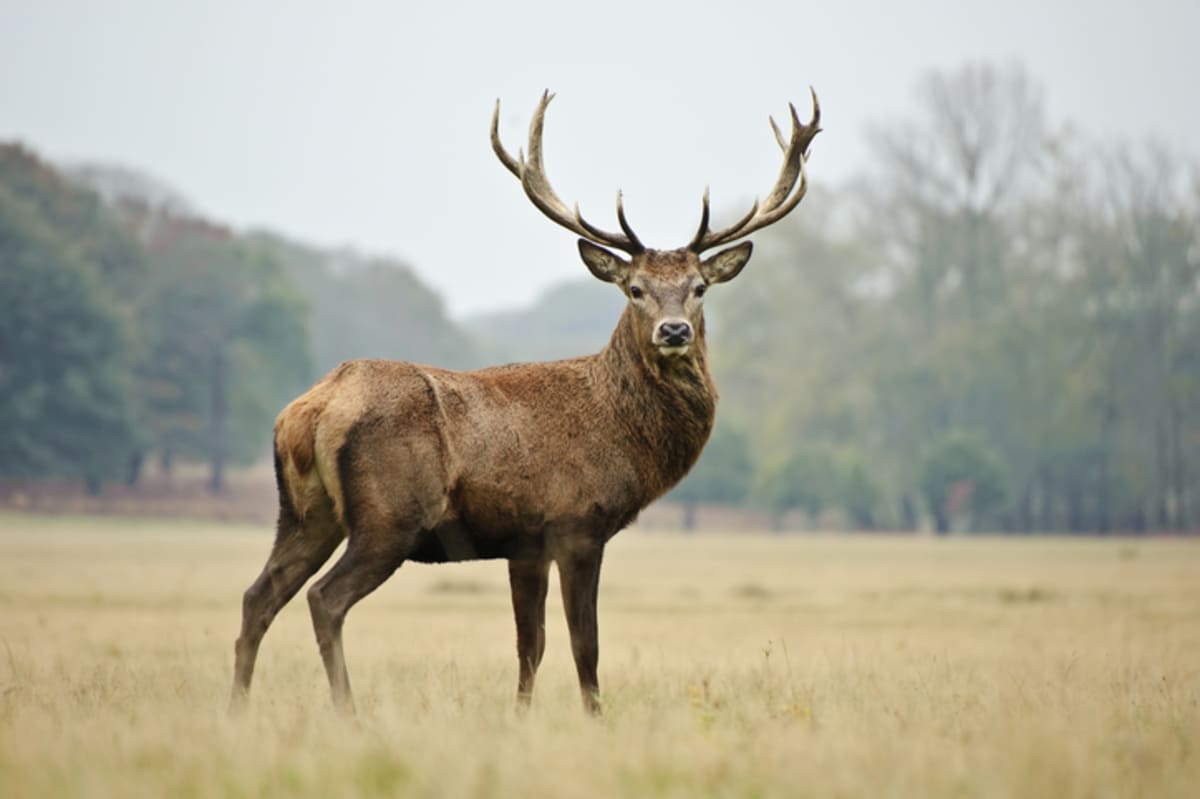
The sight of a domesticated-looking wild animal raises serious concerns. According to the MDC, wild deer are not equipped for life in captivity. Scott Corley, a wildlife protection agent, pointed out the dangers of human-animal interactions. One of the biggest threats to deer is Chronic Wasting Disease (CWD), a fatal condition that affects the nervous systems of deer, elk, and similar species. This disease can spread through close contact, making it especially dangerous in situations where humans are interacting with these animals.
Additionally, deer are wild animals with natural instincts that can lead to aggression, particularly during the mating season. A wild animal, even one that has been handled or tamed, is unpredictable, and interactions with humans can become hazardous.
A Message from Conservation Experts
The Jefferson County Sheriff’s Office shared an important message via social media following the discovery: “Wild animals, especially deer, should not be treated as pets or removed from their natural environment.” This reminder underscores growing concerns among conservationists about the negative impact of removing wild animals from their habitats.
While it’s clear that the person who attached the collar and painted the word “pet” on the deer may have had good intentions, it highlights the larger issue of human interference with wildlife. Such actions, even if well-meaning, can create lasting harm, both to the animals and their ecosystems.
NASA warns China could slow Earth’s rotation with one simple move
This dog endured 27 hours of labor and gave birth to a record-breaking number of puppies
The Need for Greater Awareness
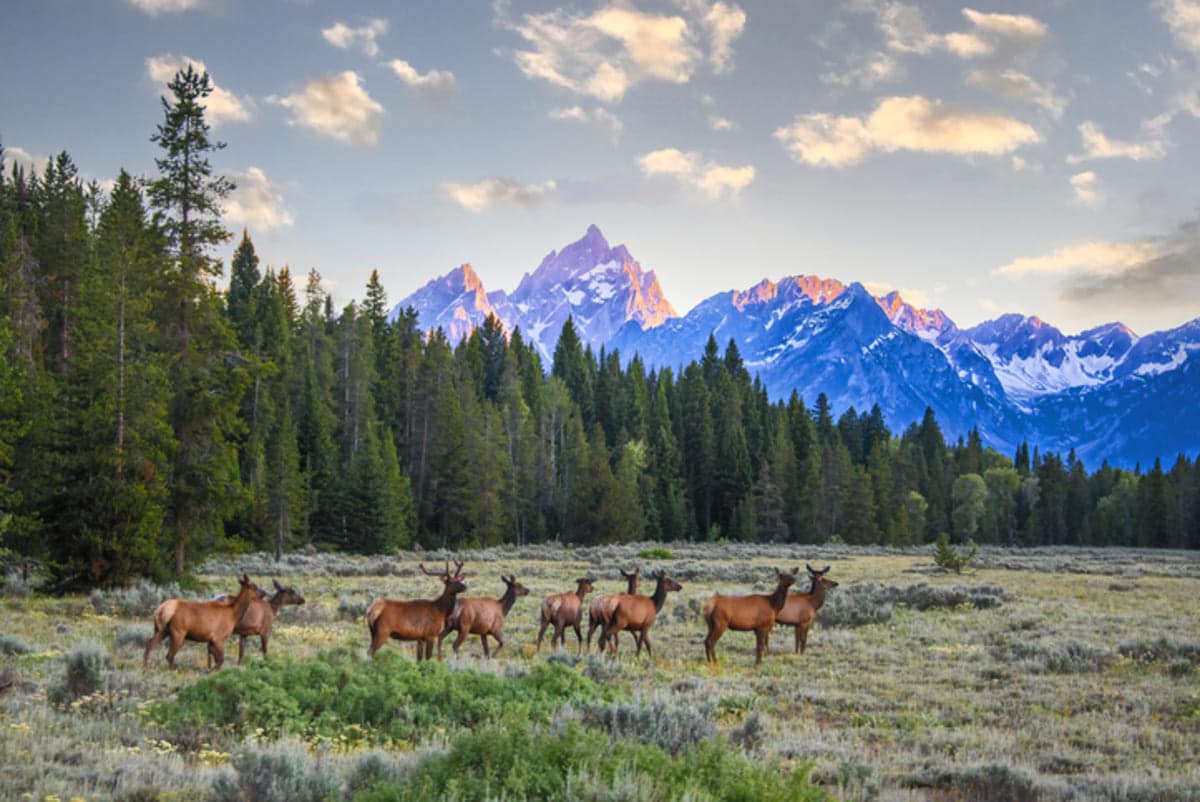
As experts continue to investigate and work to safely remove the collar from the deer, this incident serves as a reminder of the importance of keeping wildlife in their natural environments. The goal now is to help the deer return to its natural habitat, free from human attachments or domestic expectations. In this case, the deer’s collar and markings might seem like a sign of affection, but for wildlife conservationists, they represent the delicate balance that must be maintained between humans and the natural world.
This incident not only highlights the risks of domestication attempts but also emphasizes the need for greater public awareness about how we interact with wild animals. Wild creatures are best appreciated and respected in their natural habitats, where they can thrive free from human intervention.