
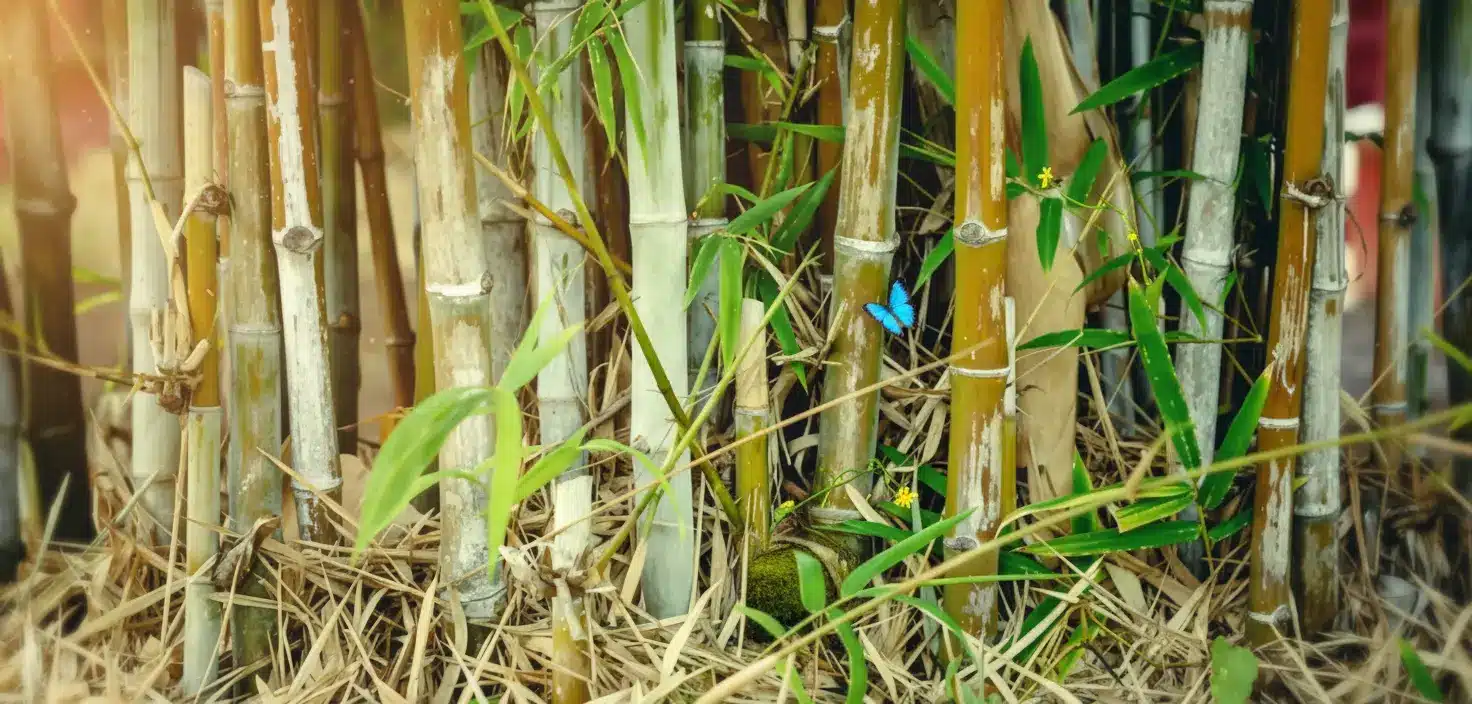
Neither Chemicals Nor Salt: The Manual Method That Finally Kills Bamboo for Good
Bamboo—the elegant, towering “grass” that promises you privacy, lush greenery, and maybe a dash of tropical chic. But as many gardeners discover, after a few glorious years, running bamboo can turn your tranquil backyard into a tangled jungle from which there is no escape. If you’re despairing, staring at shoots sprouting faster than you can say “never again,” don’t panic: not all is lost! There is a way out—a method that demands sweat, determination, and perhaps a little bit of your sanity. But, unlike salt, vinegar, or chemicals, it works for good.
Amazon co-founder MacKenzie Scott has donated over $19 billion to charity in just five years
Diamond batteries powered by nuclear waste promise 28,000 years of clean energy
Why Running Bamboo Takes Over
Bamboo belongs to the vast family of grasses. Despite their formidable height, most bamboos are, in botanical terms, giant herbaceous plants. Their appeal is clear: they grow incredibly fast, making them the ultimate green screen in record time. Fast growth, however, is a double-edged sword. Plant the wrong species and, in a few years, running bamboo invades every inch of your garden—sometimes even your neighbor’s!
Many regret their decision, finding it impossible to regain control. The cause? Running bamboo sports a type of underground stem (the leptomorphic rhizome) that tunnels away, sending up new shoots—turions—meters from the original clump. Each season brings more, and soon you have not a border, but an expanding empire. If your dream is not to host a full bamboo grove, you’re better off choosing clumping (cespitose) varieties whose roots stay neatly put.
The Only Effective Solution: Manual, Relentless Removal
Let’s keep it honest: permanently eradicating running bamboo isn’t a weekend project—it’s a marathon (with pruning shears). Still, if you’re up for the challenge, here’s the only method proven to work—no need for forbidden herbicides, fairy-tale household products, or ecological guilt.
- Step 1: Cut EVERYTHING Down to Ground Level. In early spring (March is ideal), cut all canes at ground level. Depending on their thickness, use a saw, mower, or even a silage cutter if you happen to have one lurking in your shed. The idea: remove every bit of the aerial parts, depriving the rhizomes of their food factories.
- Step 2: Ruthlessly Remove Every Shoot. After the first attack, frequent mowing is your best weapon against new turions. Each shoot is another energy boost for the underground rhizomes—so cut them as soon as they sprout. Persistence over several seasons is needed for real victory: keep at it until shoots become scarce and, eventually, disappear altogether.
- Step 3: Target the Underground Network. After repeated mowing, it’s time for the hard labor—root removal. In small gardens, a pickaxe will suffice; on larger swathes, you may need serious machinery (yes, a backhoe). Take care: even the tiniest rhizome scrap left in the soil can restart the invasion. Remove roots as deep as 40 cm and dispose of them thoroughly.
To speed things up: after shaving the canes, you can cover the area with an opaque tarp weighed down by heavy stones. Block sun and rain from reaching the bamboo, and the roots will eventually surrender! Yet, don’t slack off—even under tarps, be vigilant for any stems that might pop up at the edge. Cut them immediately. Full eradication typically takes two to three years of perseverance.
Why “Easy” Solutions Do Not Work
The tempting shortcut? Douse the bamboo (or its stumps) with weedkiller, vinegar, bleach, or even coarse salt, then wait for nature to do the rest. Unfortunately, nature has other ideas. Chemicals, especially glyphosate, are now forbidden for home garden use and are environmentally destructive. Reports of “injecting” chemicals into canes sometimes circulate online, but spraying or pouring powerful herbicides rarely solves the issue—in many cases, the shoots just come back for more!
Household fixes like vinegar, bleach, or salt are entirely ineffective against an established bamboo grove. Worse, they harm your garden’s ecosystem—causing damage far beyond the bamboo. According to seasoned bamboo survivors, only sustained physical effort really works. If you’re starting fresh, prevention is best: choose non-running bamboo species from the outset and save yourself the heartbreak.
Patience, Tenacity, and One Last Tip
To sum it up, conquering bamboo is a test of patience and grit, requiring regular vigilance over two to three years. The process may be “sporty,” but it’s tried, true, and finally brings genuine relief. The secret weapon? Never letting your guard down: watch for new growth and remove it promptly. After the main operation, check for regrowth the next year—if you spot any shoots, dig them up as well.
Bamboo can be marvelous—but only when firmly under your thumb. And remember, nothing beats smart plant choice from the start…unless you’re looking for a lifetime membership in the Bamboo Battle Support Group!
NASA warns China could slow Earth’s rotation with one simple move
This dog endured 27 hours of labor and gave birth to a record-breaking number of puppies