
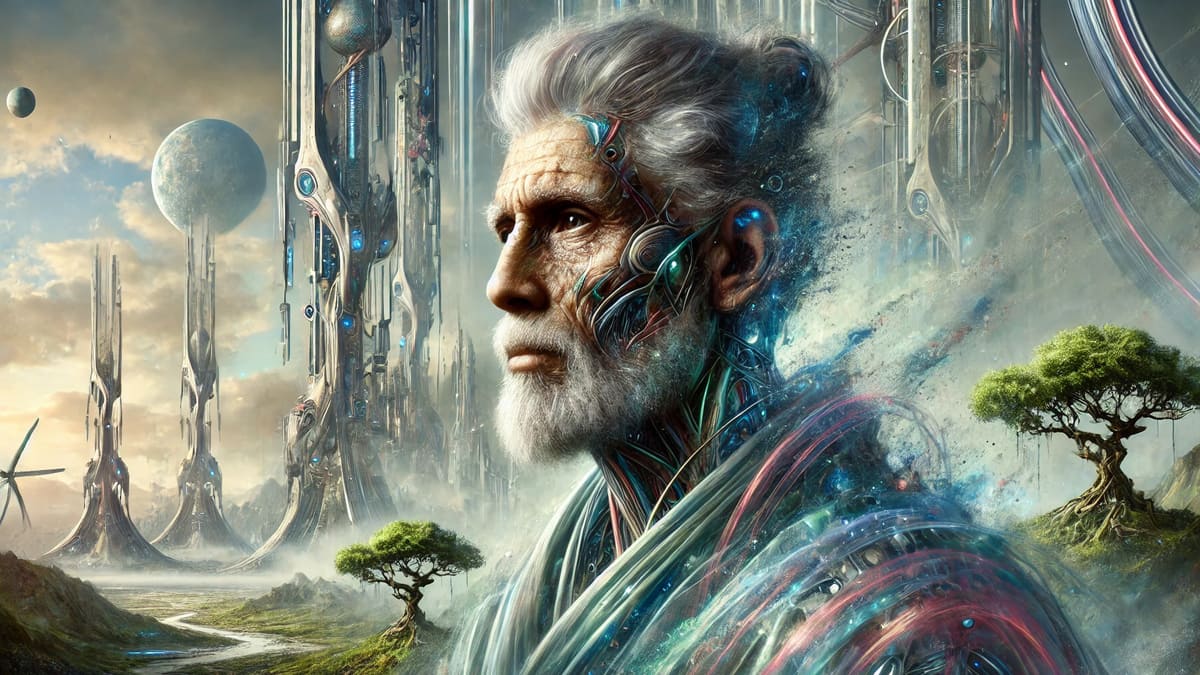
The idea of living forever has always been relegated to the pages of science fiction, but for some scientists, the possibility is far from fantasy. One such scientist is Joao Pedro de Magalhaes, a molecular biogerontologist at the University of Birmingham, who believes that humanity could one day achieve lifespans of 1,000 years or more. His groundbreaking work revolves around one critical question: can we stop aging?
Amazon co-founder MacKenzie Scott has donated over $19 billion to charity in just five years
Diamond batteries powered by nuclear waste promise 28,000 years of clean energy
The Aging Process : A Mystery Waiting to Be Cracked
For most people, aging is an inevitable fact of life. Yet, Joao Pedro de Magalhaes sees it differently. He believes that aging is a problem that science can solve. His research focuses on unraveling the genetic and cellular mechanisms that drive aging, using nature’s longest-living creatures as inspiration. Animals like the Greenland whale and naked mole rat have incredible lifespans and possess unique abilities to repair their DNA and resist age-related diseases.
Magalhaes explains, “Aging is programmed into our DNA. If we can understand and manipulate the genetic processes that control it, we could potentially halt—or even reverse—aging altogether.” His work aims to develop methods for repairing damaged DNA and reprogramming cells to function as they did in youth, much like the natural defenses found in these exceptional animals.
A critical aspect of this research involves the p53 gene, a tumor suppressor gene found on human chromosome 17. This gene regulates cell growth and helps repair damaged DNA. Unfortunately, it becomes inactive in nearly half of all cancers, which significantly impacts lifespan. Understanding and unlocking the full potential of this gene could open new doors to extending human life.
The Lessons of Modern Medicine
Magalhaes often draws parallels between the fight against aging and the strides modern medicine has made over the past century. “My great-grandfather died of pneumonia, which was one of the leading causes of death in the 1920s,” he says. “Today, a simple dose of penicillin could have saved his life. I believe we can achieve something similar with aging.”
While the notion of eternal youth may still be distant, there are already significant strides being made in longevity research. For example, rapamycin, a compound known to extend the lifespan of some mammals by 10-15%, is already used in humans for organ transplant treatments. It’s not hard to imagine a future where drugs like these could be fine-tuned to directly combat aging itself.
Magalhaes is optimistic about the development of medications that could slow the aging process. “Think of them like statins, which millions of people take daily to reduce heart disease risk,” he suggests. “If we could slow aging by even 5% or 10%, the impact would be huge.”
Could Humans Live for 1,000 Years?
Living for a thousand years might sound like the stuff of legends, but Magalhaes believes it’s not entirely out of reach. The scientific advancements in genetics and cellular biology today are laying the groundwork for breakthroughs that could allow for vastly longer lifespans. While this may not happen in our lifetime, the idea of reaching such a milestone is one that is increasingly being taken seriously by researchers.
NASA warns China could slow Earth’s rotation with one simple move
This dog endured 27 hours of labor and gave birth to a record-breaking number of puppies
Currently, scientists are working to replicate the natural longevity mechanisms found in long-lived species and apply those insights to human biology. The ultimate goal isn’t just to extend life, but to ensure that we age healthily and remain active as we do so. The hope is that, one day, humans might not only live longer but also experience fewer age-related diseases.
Why This Research Matters Today ?
Even if the dream of living 1,000 years remains a distant one, the work of scientists like Magalhaes has profound implications for our understanding of aging and healthcare today. Imagine a world where chronic diseases like cancer, Alzheimer’s, and heart disease could be delayed—or even prevented—by addressing the root causes of aging itself.
For now, the quest to unlock the secrets of human longevity is no longer a mere fantasy. It’s an exciting and rapidly growing field of science driven by the belief that aging is not an irreversible fate but a biological process that we have the power to control. Whether this breakthrough comes in a few decades or takes centuries, it’s clear that the possibility of living longer, healthier lives is closer than ever before.