
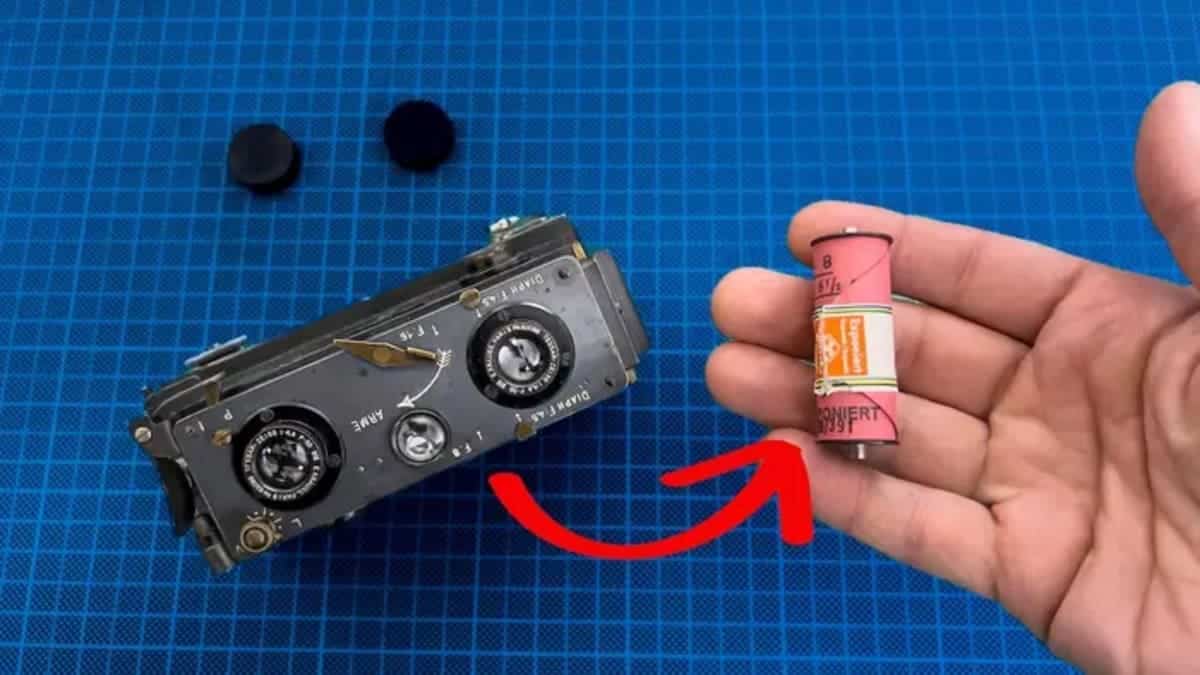
For vintage photography enthusiasts, finding an antique camera is always a thrill. But discovering undeveloped film inside? That’s a rare and exciting challenge. Austrian photographer Markus Hofstätter recently had the opportunity to bring a forgotten roll of film—estimated to be over 70 years old—back to life, uncovering fragments of the past in the process.
Amazon co-founder MacKenzie Scott has donated over $19 billion to charity in just five years
Diamond batteries powered by nuclear waste promise 28,000 years of clean energy
The Challenge of Restoring Old Film
Hofstätter, who specializes in restoring and working with historic cameras, stumbled upon a Jules Richard Verascope from 1911—a relic of early stereoscopic photography. To his surprise, the camera contained an undeveloped roll of film, likely untouched for decades.
Developing such an old roll wasn’t as simple as dropping it off at a photo lab. Time, temperature, and exposure to elements had undoubtedly degraded the film’s sensitive emulsion, making standard development techniques risky. Hofstätter had to navigate a delicate balance—preserving any surviving images without damaging what little detail remained.
Why Develop Color Film in Black and White?
Since the roll was color film, one might assume it should be developed in its original format. However, aging affects different layers of film at different rates. The dye-based color layers deteriorate faster than the silver halide base, meaning the black-and-white information is often the only salvageable part.
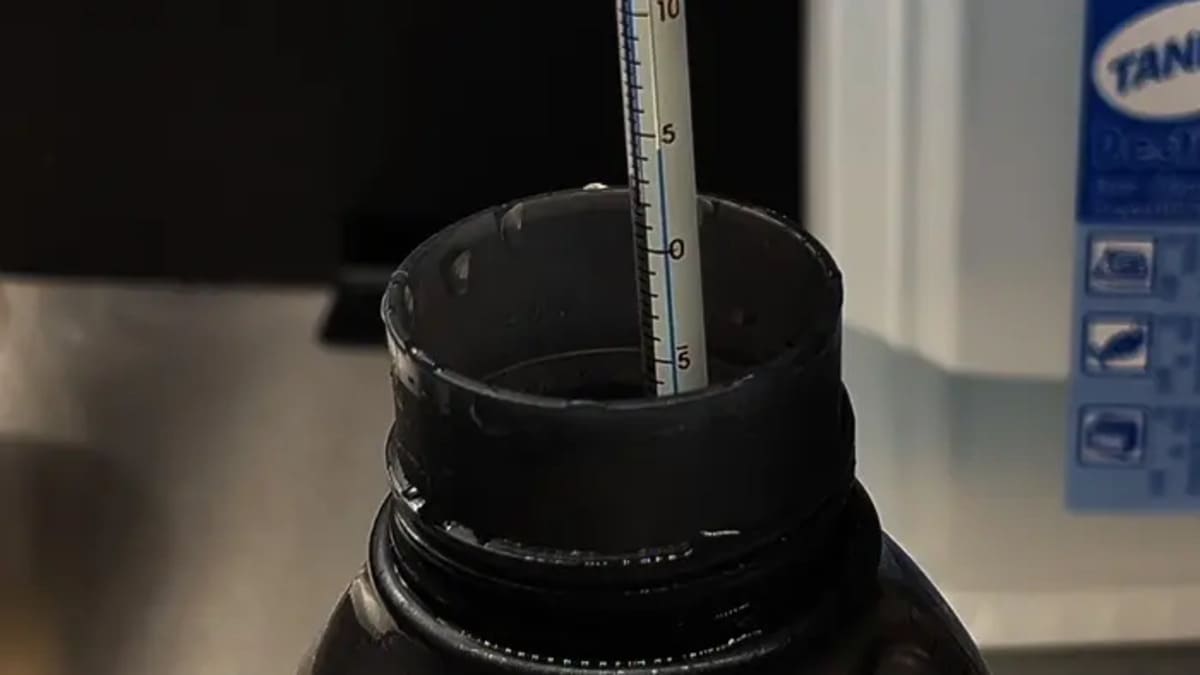
To maximize his chances of success, Hofstätter opted for a highly diluted HC-110 developer at low temperatures—around 6°C. He also used a rotary development system to maintain consistent conditions, ensuring the fragile emulsion was handled as gently as possible.
The Results: A Glimpse into the Past
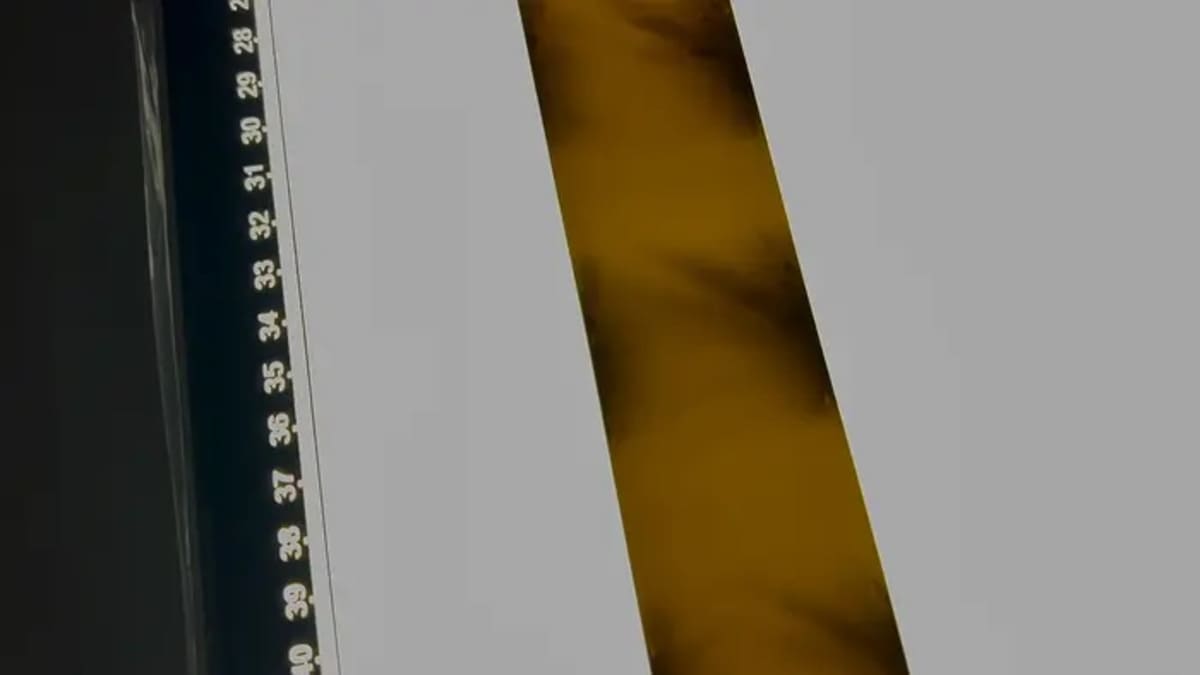
The images that emerged weren’t perfectly preserved snapshots of history, but they offered valuable glimpses into a forgotten world. Some frames were marred by light leaks, age spots, and chemical degradation, but Hofstätter successfully retrieved stereo image pairs—allowing a peek at moments captured decades ago.
NASA warns China could slow Earth’s rotation with one simple move
This dog endured 27 hours of labor and gave birth to a record-breaking number of puppies
While the results were mixed, the project expanded Hofstätter’s understanding of vintage film restoration. His experiment provided insight into how to handle neglected film formats, and his approach could pave the way for future recoveries of long-lost photographic memories.
Why This Matters for Photography Enthusiasts
Every undeveloped roll of film is a potential time capsule, holding memories that might have otherwise been lost forever. Hofstätter’s efforts highlight the enduring magic of analog photography, showing that even after decades, forgotten images can still find their way back into the light.
While the recovered photographs from this particular project may not be museum-quality, they stand as a testament to patience, experimentation, and curiosity. As more photographers explore old cameras and abandoned film rolls, who knows what other fragments of history might still be waiting to be uncovered?