
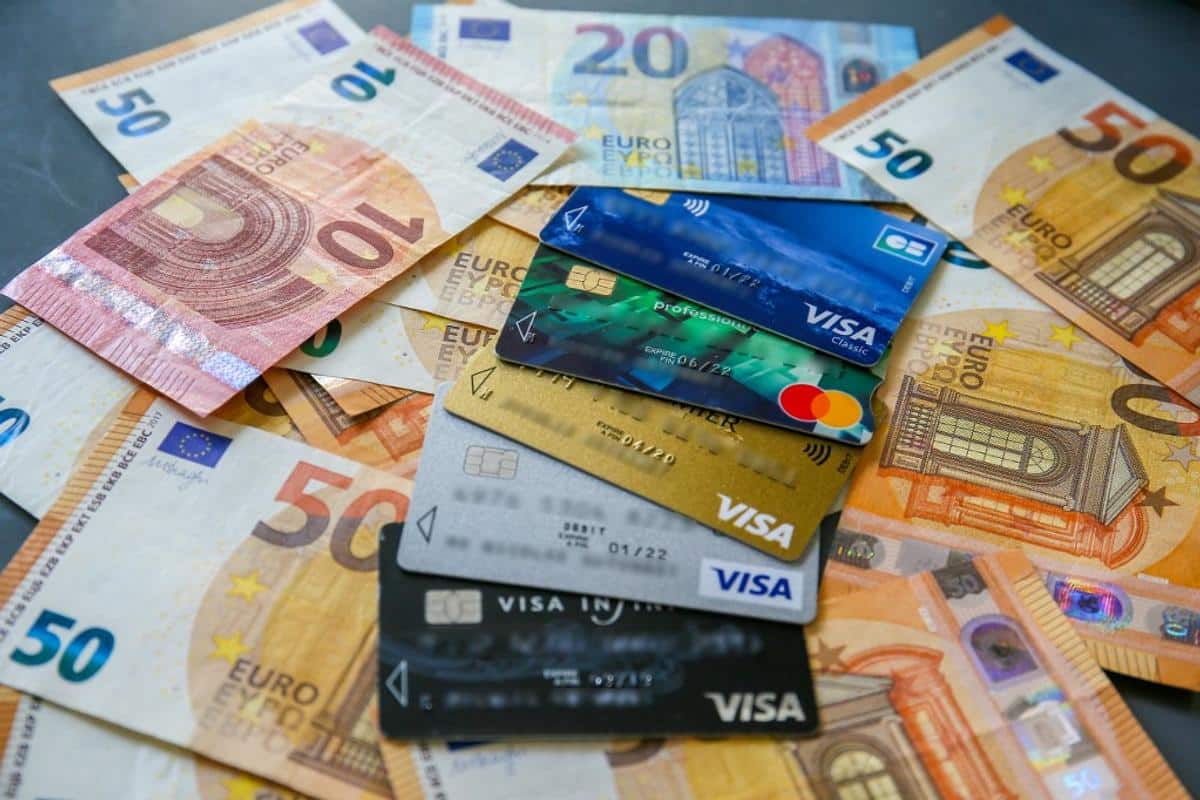
In early March, Visa and Mastercard made a decision that, at first glance, seemed like a logical response to the ongoing sanctions against Russia. The companies announced that they would block the use of all their cards issued by Russian banks abroad. The intention behind this move was clear: to further limit Russia’s access to the international financial system. However, what seemed like a straightforward measure has had unintended and far-reaching consequences, affecting not just the wealthy elite but also everyday people who are far removed from the political power struggles of the Kremlin¹.
Amazon co-founder MacKenzie Scott has donated over $19 billion to charity in just five years
Diamond batteries powered by nuclear waste promise 28,000 years of clean energy
The Unintended Impact of a Well-Intentioned Decision
The decision to block the cards from being used outside of Russia was undoubtedly in line with Western sanctions aimed at isolating the country economically. The measure would prevent Russian oligarchs living in cities like London, New York, and Paris from accessing their accounts in Russian banks and moving their wealth abroad. On paper, this sounded like an effective way to target those who had been profiting from the Russian regime while keeping the country’s financial resources within its borders.
But what Visa and Mastercard didn’t foresee was the collateral damage their decision would inflict. Thousands of ordinary Russians, particularly journalists, activists, and opposition figures, who had fled the country in search of refuge, found themselves in a precarious position. They had sought safety in countries like Georgia, the United States, and various European nations, hoping to escape the repressive regime they had left behind. Suddenly, they were cut off from their primary means of financial support. Without access to their funds, these individuals found themselves stranded, unable to pay for basic necessities or make plans for their future².
I recall speaking with a friend who had recently left Russia. She had hoped that by moving abroad, she would be able to continue her work as an activist and stay connected with her community. But the news of the Visa and Mastercard block left her feeling helpless. “It’s as though the world just turned its back on us,” she said, expressing a sense of abandonment that many others shared. Her story is not unique, as many others in similar situations have been left in the dark, facing uncertainty and financial hardship because of a decision that, while targeting the Russian government, has inadvertently hurt the very people opposing it.
The Real Winners of the Decision
Ironically, while Visa and Mastercard’s move was meant to punish those who support Russia’s government, it has had the opposite effect. The group that stands to benefit most from this decision is, ironically, the Russian government itself. By inadvertently cutting off the financial lifeline of those who oppose the regime, the companies have dealt a blow to the very people working to challenge President Putin’s rule. This unintentional outcome highlights the complexity of sanctions and the challenges of implementing them in a way that doesn’t punish the wrong people.
In the case of activists, journalists, and opposition members, many of whom rely on international donations or access to their savings in foreign banks to continue their work, this decision has been a significant setback. By making it more difficult for these individuals to maintain financial independence, Visa and Mastercard have inadvertently handed a victory to the very regime they hoped to target³.
A Call for Reconsideration
In the wake of the backlash, both companies have come under increasing pressure to reassess their decision. While the intention behind the measure was clear—complicating Russia’s access to the global financial system—its impact on vulnerable individuals highlights the need for a more thoughtful approach. The humanitarian consequences of such decisions cannot be ignored, especially when they affect those who are already under threat for standing up against a repressive government.
It’s clear that this decision needs to be revisited. Visa and Mastercard must consider the human rights implications of their actions. The financial sanctions were intended to target the Russian government, but they’ve ended up affecting those who are already fighting for a better future outside of Russia.
NASA warns China could slow Earth’s rotation with one simple move
This dog endured 27 hours of labor and gave birth to a record-breaking number of puppies
In the end, this episode serves as a reminder of how well-meaning financial sanctions can have unexpected consequences, especially when they are not carefully thought out. While it’s understandable that financial institutions want to comply with international sanctions, it’s crucial that they also consider the wider implications of their actions—ensuring that they are not inadvertently punishing those who need help the most.
Footnotes:
-
Visa and Mastercard Suspend Operations in Russia Amid Sanctions: https://www.theguardian.com/world/2022/mar/05/visa-and-mastercard-will-both-suspend-operations-in-russia
-
Impact of Visa and Mastercard’s Decision on Russian Activists and Journalists: https://www.verdict.co.uk/does-it-matter-that-visa-and-mastercard-have-pulled-out-of-russia/
-
Sanctions and Their Unintended Consequences: https://www.aljazeera.com/economy/2022/8/29/did-sanctions-really-hurt-the-russian-economy