

Walking has long been championed as one of the simplest ways to stay active and shed a few pounds. But according to new research, how you walk may matter more than how far or how long you walk. In a study led by researchers from the University of Milan, a surprising conclusion emerged: short, intense walking sessions with regular breaks could be more effective for burning calories than continuous walking.
Amazon co-founder MacKenzie Scott has donated over $19 billion to charity in just five years
Diamond batteries powered by nuclear waste promise 28,000 years of clean energy
The Science Behind Walking for Weight Loss
We’ve all been told that walking is a great way to stay in shape. It’s low-impact, requires no special equipment, and fits easily into daily routines. But this study, led by Francesco Luciano, challenges the way we think about walking for weight loss. The team found that traditional estimates of how much energy walking burns often miss an important factor: the body’s energy use during the starting and stopping phases.
Think of your body as a car. When driving at a steady speed, a car uses less fuel compared to frequent stops and starts. Similarly, your body burns more energy when it’s constantly “restarting” after a break. By walking in short bursts with pauses in between, your body repeatedly enters this high-energy state, leading to greater calorie burn.
How the Study Was Conducted
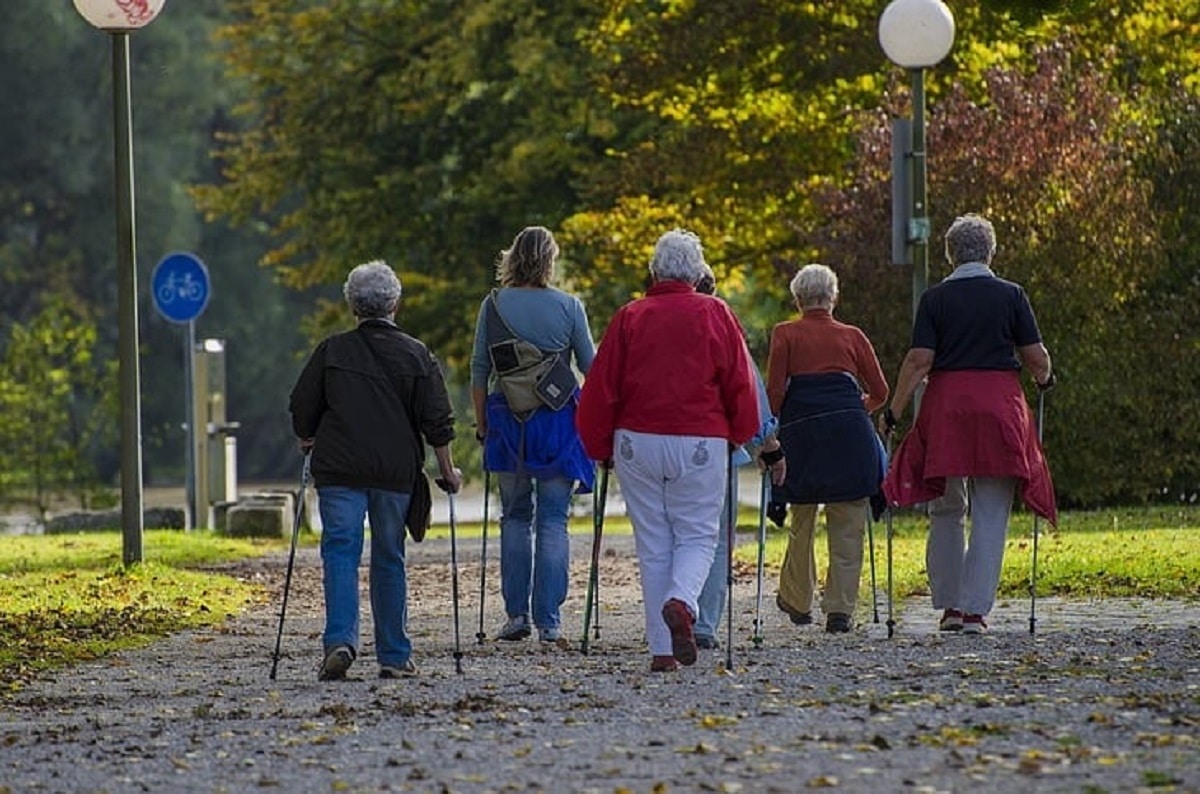
The researchers monitored ten healthy volunteers as they completed a series of exercises on a treadmill and a stair-climbing machine. The sessions varied in length, from as short as 10 seconds to as long as four minutes, and were performed at three different speeds. By measuring oxygen consumption during these activities, the team was able to assess how much energy each participant expended under different conditions.
The results? Walking or climbing stairs in short intervals of 10 to 30 seconds required 20–60% more oxygen than sustained exercise sessions. This higher oxygen consumption translates to a significant increase in energy expenditure. Essentially, your body works harder to “warm up” and “restart” multiple times than it does during steady-state exercise.
What Does This Mean for Your Workouts?
For those looking to burn more calories, this research suggests you don’t need to dedicate hours to long walks. Instead, focus on short, intense sessions. For example, a brisk 30-second walk followed by a brief pause, repeated several times, could be more effective than a leisurely stroll for an hour. The key is in the repeated bursts of effort, which create opportunities for the body to consume more energy.
This approach doesn’t just apply to walking. Whether you’re climbing stairs, cycling, or doing another form of exercise, the same principle holds true: short, intense bursts of activity combined with regular breaks can maximize calorie burn.
NASA warns China could slow Earth’s rotation with one simple move
This dog endured 27 hours of labor and gave birth to a record-breaking number of puppies
The Practical Benefits of Short Walking Sessions
This method is not only more effective but also more accessible for busy people. Imagine squeezing a few short walks into your lunch break or between meetings instead of committing to a long workout. It’s a strategy that fits well with modern lifestyles, where time is often limited.
Take the stairs instead of the elevator for just a few flights, or try incorporating brief walks into your daily routine, like parking a little farther from your destination. These simple adjustments can help you take advantage of the energy-intensive startup phase identified by the study.
Maximizing the Science in Everyday Life
Francesco Luciano’s research encourages us to rethink how we approach physical activity. If your goal is to lose weight, don’t worry about walking miles on end. Instead, aim for quality over quantity. Embrace the idea of stopping and starting. These small, intense efforts can add up over time, giving you more bang for your buck when it comes to burning calories.
So, the next time you lace up your sneakers, remember: short and intense beats long and steady. Whether it’s a power walk to the coffee shop or a few quick sprints in the park, these bite-sized workouts could be the calorie-burning boost you’ve been looking for.