
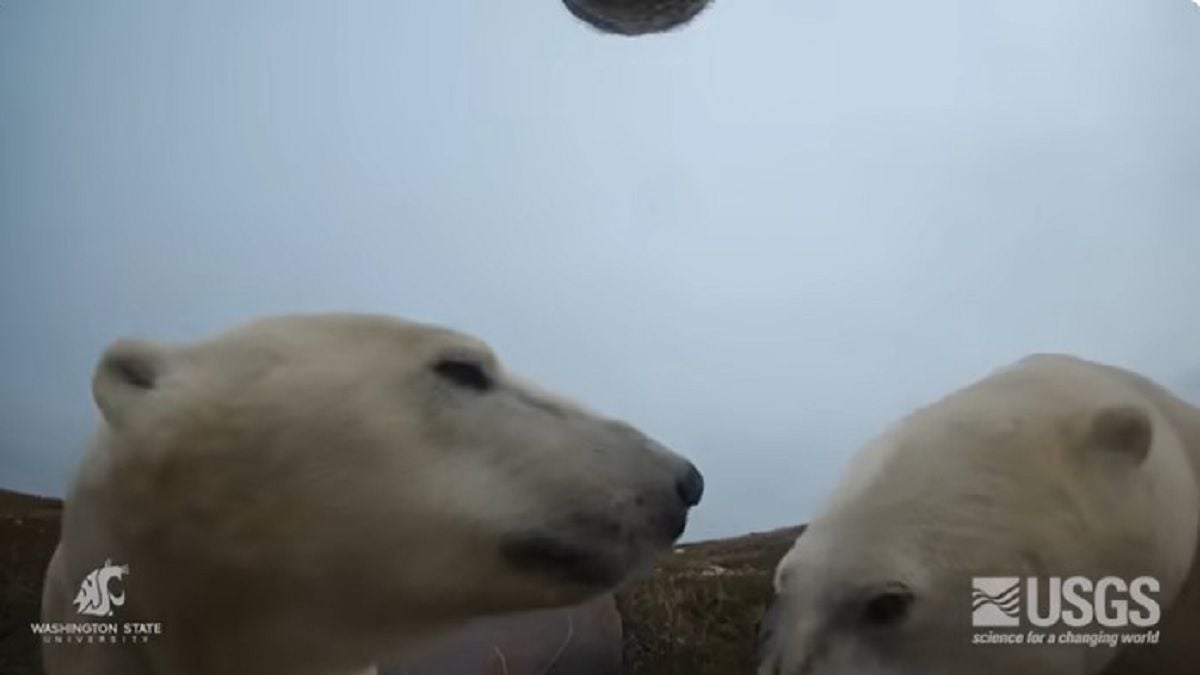
Polar bears, the mighty giants of the Arctic, are facing a future that looks increasingly uncertain. As their icy homes continue to melt due to climate change, these apex predators are struggling to adapt. Recently, a group of Canadian scientists took an innovative approach to studying the challenges polar bears are up against. They outfitted 20 polar bears in the Hudson Bay area with GoPro cameras, and the footage they captured was both eye-opening and alarming. The findings provide a vivid portrait of a species already grappling with the devastating effects of global warming.
Amazon co-founder MacKenzie Scott has donated over $19 billion to charity in just five years
Diamond batteries powered by nuclear waste promise 28,000 years of clean energy
A Glimpse into the Struggles of Polar Bears
To better understand the daily lives of polar bears, researchers attached GoPro cameras to GPS collars and followed the bears for three years. What they discovered was deeply troubling. As the Arctic ice, which is essential for hunting and survival, melts at an unprecedented rate, polar bears are being forced to travel farther and expend more energy in search of food. Despite their best efforts, the footage revealed that these majestic creatures are losing weight at an alarming pace. On average, polar bears shed 20 kilograms in just three weeks, highlighting the growing difficulty they face in finding enough sustenance to survive¹.
The Disappearing Ice and the Harsh Reality of Life on Land
As the ice breaks up earlier each year, polar bears are spending more time on land—sometimes for up to three additional weeks compared to the early 1980s, when ice was more stable and reliable for hunting. This extended period on land means the bears are increasingly isolated from their primary prey, the seals. And the alternative? Not much. The bears scavenge for anything they can find—bird carcasses, berries, even scraps of wood. Unfortunately, none of these are as nutritious or calorie-dense as seals.
The Hudson Bay area, where the study was conducted, has experienced a radical shift in its seasonal ice patterns. Research published in Nature Communications indicates that the region now experiences about three weeks more of ice-free days than it did in 1979. This change has resulted in a significant decrease in hunting opportunities for polar bears, forcing them to adapt in ways that seem to do more harm than good².
A Struggle for Survival: Adapting to Life on Land
Over 115 hours of footage showed how the polar bears are trying to adjust to their new reality. They were observed eating anything they could find—birds, berries, and even bits of wood. But these efforts were rarely enough. Researchers watched as the bears fought one another for scarce food, their desperation clear.
Biologist Anthony Pagano from the U.S. Geological Survey, who co-authored the study, noted that the footage revealed the intelligence and resilience of the bears. They have developed various behavioral strategies to survive in the absence of seals. Yet, despite their best efforts, the polar bears are losing weight rapidly, with one bear even shedding 36 kilograms. The bears’ desperate measures, such as swimming longer distances, put them at even greater risk, exposing them to additional dangers in an already hostile environment³.
A Diet Not Suited for Survival
NASA warns China could slow Earth’s rotation with one simple move
This dog endured 27 hours of labor and gave birth to a record-breaking number of puppies
While polar bears are known for their ability to adapt, the current conditions are simply too much for their bodies to handle. Their terrestrial diet—composed of small prey, berries, and scavenged food—cannot provide the energy they need, especially considering the physical demands of hunting seals and traversing vast stretches of land. The researchers are sounding the alarm: the loss of ice is a direct threat to polar bears, and their new diet on land is unsustainable in the long term.
The study highlights the urgency of the situation for polar bears, a species already classified as vulnerable by the International Union for Conservation of Nature (IUCN). Without access to their primary food source, seals, these magnificent creatures face an uncertain future.
The Road Ahead: A Changing World for Polar Bears
These unprecedented images offer a rare and unsettling glimpse into the lives of polar bears. They show the incredible resilience of the species but also the harsh realities they face as their world continues to change. Polar bears have long been symbols of the Arctic, but their future now hangs in the balance. As scientists continue to monitor the situation, one thing is clear: unless urgent action is taken to address climate change, the survival of polar bears will become increasingly precarious.
The footage from these cameras serves as a stark reminder of the delicate balance in nature and how even the most powerful animals are vulnerable when their habitats begin to disappear. It’s not just the ice that’s melting—it’s the future of an entire species.
Sources:
-
“Arctic Ice Melting: The Impact on Polar Bear Survival.” https://interactive.carbonbrief.org/polar-bears-climate-change-what-does-science-say/index.html
-
“Hudson Bay: The Changing Ice Patterns and Their Effect on Polar Bears.” https://cdnsciencepub.com/doi/10.1139/as-2023-0045
-
“Polar Bear Research: Survival in a Warming World.” https://www.arcticwwf.org/the-circle/stories/climate-change-threatens-bears-long-term-survival/