
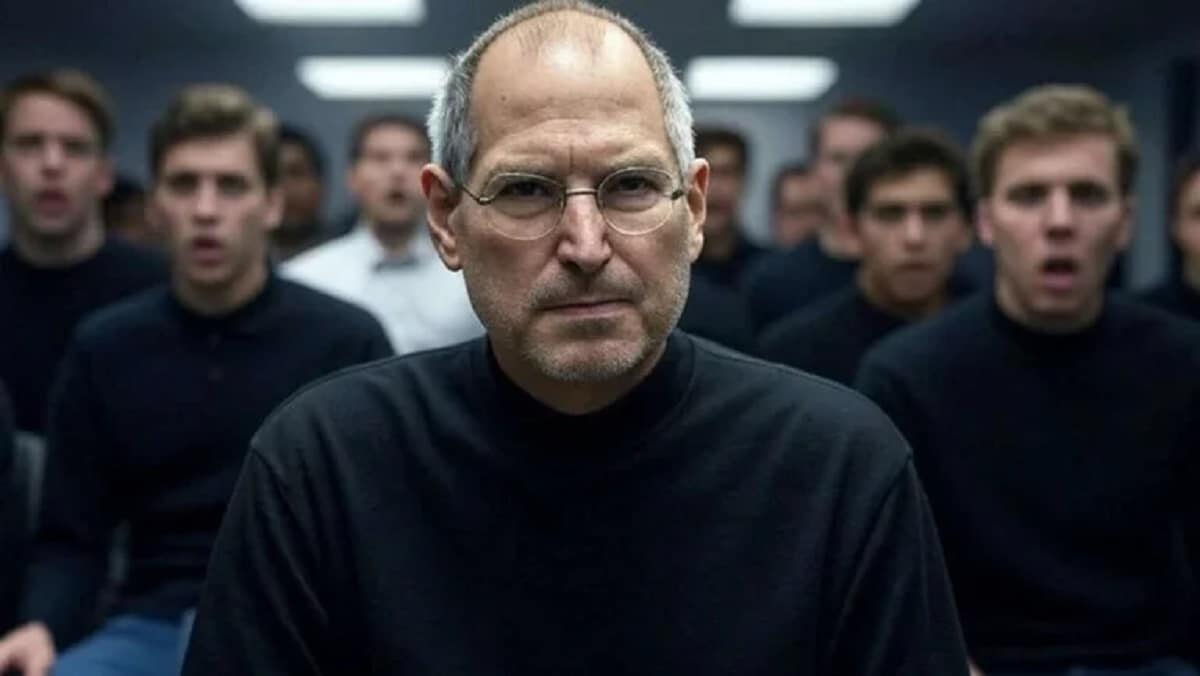
Steve Jobs, the co-founder of Apple, was known for his ruthless management style, often making quick decisions to fire employees he believed were underperforming. Stories about his high standards and tough leadership are legendary—whether it’s the tale of an employee who was fired five times or Jobs’s infamous suggestion to fire all of Starbucks’s executives at once. Fast forward 40 years, and the tables have turned: now, it seems it’s the executives who are considering leaving their positions. What’s behind this shift in power dynamics?
Amazon co-founder MacKenzie Scott has donated over $19 billion to charity in just five years
Diamond batteries powered by nuclear waste promise 28,000 years of clean energy
The Rise of Generation Z and the Strained Relationship with Managers
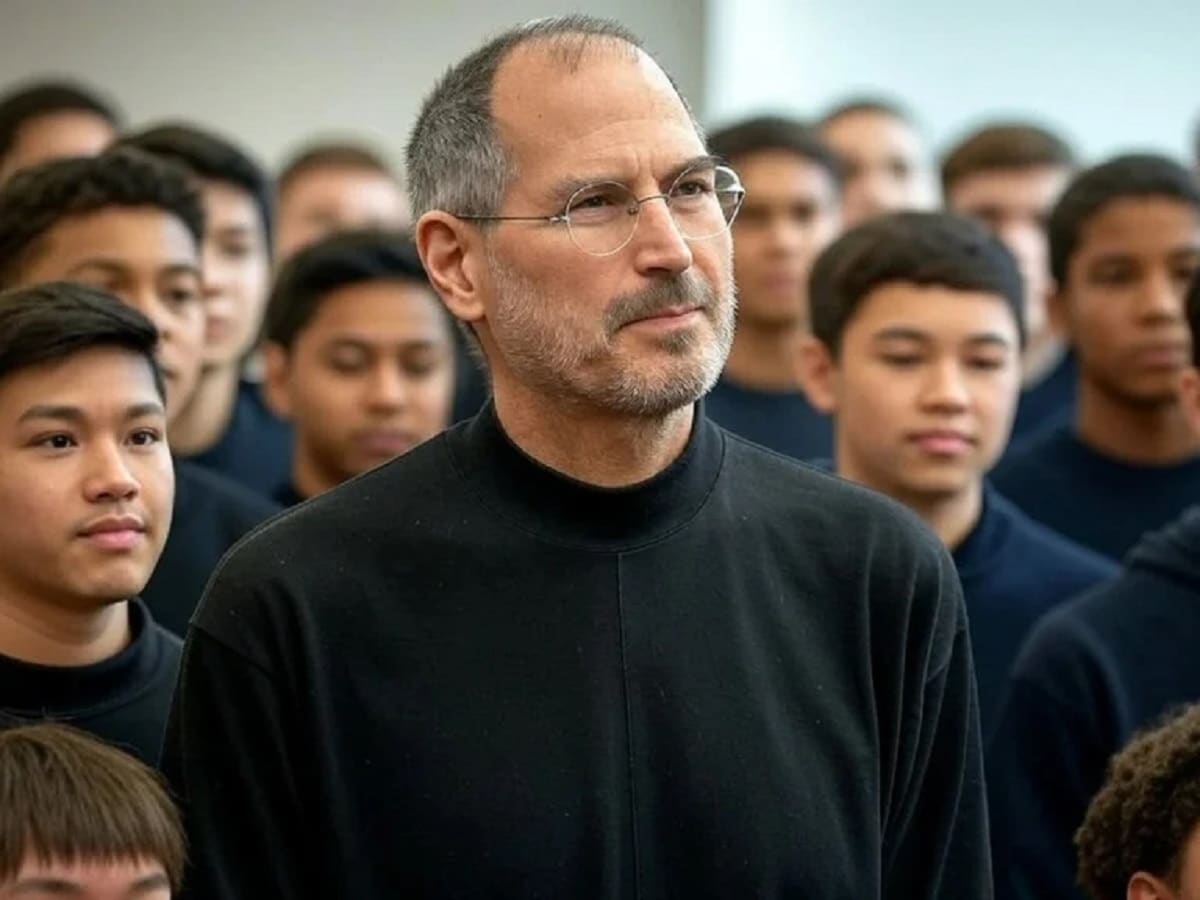
A recent study by Intelligent.com has highlighted a growing disconnect between managers and their younger employees, specifically Generation Z—those born between 1997 and 2012. According to the study, a surprising 20% of managers are contemplating quitting because they find it increasingly difficult to work with Generation Z workers. These young employees, with their unique values and approaches to work, are shaking up the traditional corporate environment.
For many managers, the frustration is palpable. Over half (51%) of managers say they feel frustrated, 44% admit to experiencing stress, and 31% feel disappointed by the generational divide. Some go as far as saying that they have already fired a Generation Z employee, while others prefer to avoid hiring them altogether. But what’s causing this growing tension? Huy Nguyen, a senior consultant for Intelligent.com, believes it’s more than just a clash of behavior—it’s a cultural shock where the expectations of each group are simply misaligned.
The End of the Era Where Employees Feared Their Bosses?
Traditionally, managers have expected dedication, loyalty, and a strong work ethic—all traits that Steve Jobs himself would have insisted on in his time. However, Generation Z values a completely different set of principles, including purpose-driven work, flexibility, and, most notably, a healthy work-life balance. For many young employees, even receiving a call from the boss during a vacation would be an unwelcome intrusion, something Jobs might have never considered. While it’s not for us to say who’s right or wrong, studies suggest that the younger generation’s approach is actually beneficial for their mental and physical health, not to mention more in line with current labor laws, particularly in places like France.
From “Think Different” to “Work Different”
When Jobs took the helm at Apple in 1997, he famously restructured the company in just 90 days. Fast forward to today, and managers are grappling with a generation that operates by a completely different set of rules. Generation Z is constantly connected to their smartphones, and their communication style—often informal—is seen by some as inappropriate. Their vision of work itself is at odds with traditional values, especially the strict hierarchy that Jobs championed during his leadership.
Ironically, while Jobs built his empire on a rigorous hierarchy and an obsessive pursuit of perfection, it’s now Generation Z that is forcing businesses to rethink their power structures. Two-thirds of managers report that they have had to adjust their leadership styles, and 75% admit that managing young employees requires more time and resources than ever before. The traditional approach to leadership is no longer enough—there’s a real need for adaptability.
The Bigger Picture: How the Pandemic Accelerated This Shift
The pandemic served as a catalyst for many changes that were already brewing, particularly for Generation Z. Digital natives who grew up in a connected world, these young workers are less likely to view work the same way their older counterparts did. Nguyen puts it simply: “It’s not that they don’t want to work; they just don’t understand why they should work the same way as their parents did 40 years ago.”
NASA warns China could slow Earth’s rotation with one simple move
This dog endured 27 hours of labor and gave birth to a record-breaking number of puppies
Today, mental health and feedback are at the forefront of what Generation Z expects from their employers. They want their workplaces to reflect their values, which include flexibility and transparency. The corporate world will need to adapt to these new expectations if it’s to retain younger workers and ensure a more harmonious work environment.
Is the Balance of Power Shifting?
While it might seem that the balance of power is shifting in favor of the younger generation, we haven’t yet reached a point where executives are entirely on the back foot. Industries with stricter corporate structures are still holding onto traditional norms, and in some sectors, the power dynamics haven’t changed that much. However, as more discussions emerge about workplace stress and the mental well-being of employees, companies will need to find ways to manage negative emotions and adapt to these new realities.
Looking back, it’s hard to imagine that when Jobs first introduced the Macintosh in 1984, anyone could have foreseen a future where it wouldn’t be the employees, but the managers themselves, who would threaten to walk out. As the workplace evolves, so too will the expectations of everyone within it. The key challenge for employers moving forward will be to balance the needs of a more emotionally aware and flexible workforce with the demands of traditional corporate structures.
As we move forward, the question is no longer just about Generation Z and their work habits—it’s about how businesses can evolve to accommodate the changing nature of work and ensure the well-being of all employees, old and new. The answer, as always, will require balance, understanding, and a willingness to adapt.