
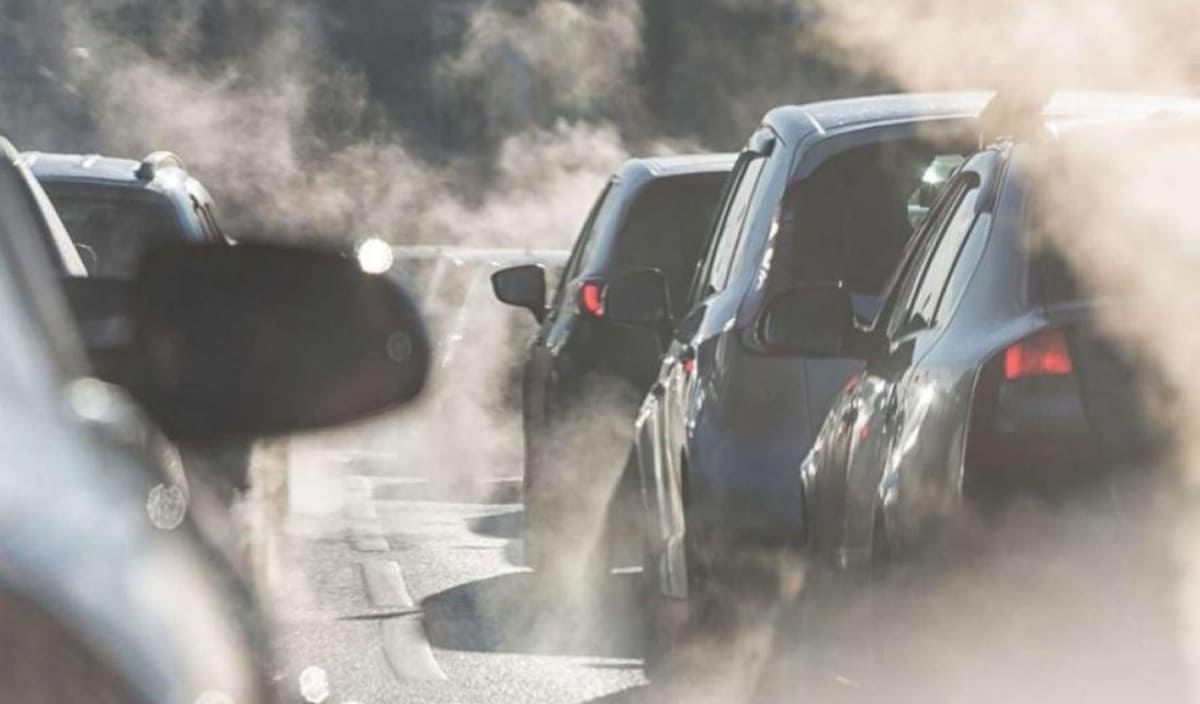
When cities worldwide locked down in 2020, air pollution plummeted—but an unexpected consequence emerged in our atmosphere. Fewer vehicle emissions meant cleaner air yet allowed another greenhouse gas to linger longer, complicating our battle against climate change.
Amazon co-founder MacKenzie Scott has donated over $19 billion to charity in just five years
Diamond batteries powered by nuclear waste promise 28,000 years of clean energy
Does Cutting Car Traffic Always Help Air Quality?
When urban centers ground to a halt during pandemic lockdowns, nitrogen dioxide (NO₂) levels fell by as much as 30% over major regions, easing smog and respiratory risks. Yet this welcome drop had a hidden cost: NOₓ emissions help generate hydroxyl radicals (·OH), the atmosphere’s primary methane scavengers. With fewer OH radicals forming, methane—a greenhouse gas 28 times more potent than CO₂ over a 100-year span—remained aloft longer, amplifying its warming impact.
Bad News for the Climate
A study in Nature led by Professor Shushi Peng of Peking University tracked atmospheric chemistry during 2020, confirming that regions with the steepest NOₓ declines saw measurable methane increases¹. This is no small tweak to Earth’s thermostat: methane’s atmospheric lifetime is roughly a decade, governed largely by oxidation with OH radicals. Meanwhile, warming-driven feedbacks—from thawing permafrost to expanding wetlands—are already releasing additional methane, setting up a dangerous feedback loop.
Finding a Balanced Solution
Reinstating high NOₓ emissions to boost OH production would undercut air quality gains and exacerbate health risks. Instead, experts call for a two-pronged approach:
-
Cut Methane at the Source: Target major emitters—livestock, rice paddies, and landfills—through improved management and leak detection.
-
Innovate Removal Technologies: Develop and scale methane oxidation catalysts or engineered wetlands that mimic natural sinks without worsening NOₓ pollution.
Only by addressing both nitrogen oxides and methane emissions can we preserve the short-term air quality benefits of cleaner traffic while keeping long-term warming in check.
Did you know? Methane’s oxidation in the troposphere produces water vapor in the stratosphere, which itself contributes to extra greenhouse forcing—about 15% of methane’s overall effect.
Footnotes
-
NASA Earth Observatory, “COVID-19 Shutdowns Improve Air Quality”; https://earthobservatory.nasa.gov/images/146362/covid-19-shutdowns-improve-air-quality
-
Wikipedia, “Atmospheric methane removal”; https://en.wikipedia.org/wiki/Atmospheric_methane_removal
-
Wikipedia, “NOx”; https://en.wikipedia.org/wiki/NOx