
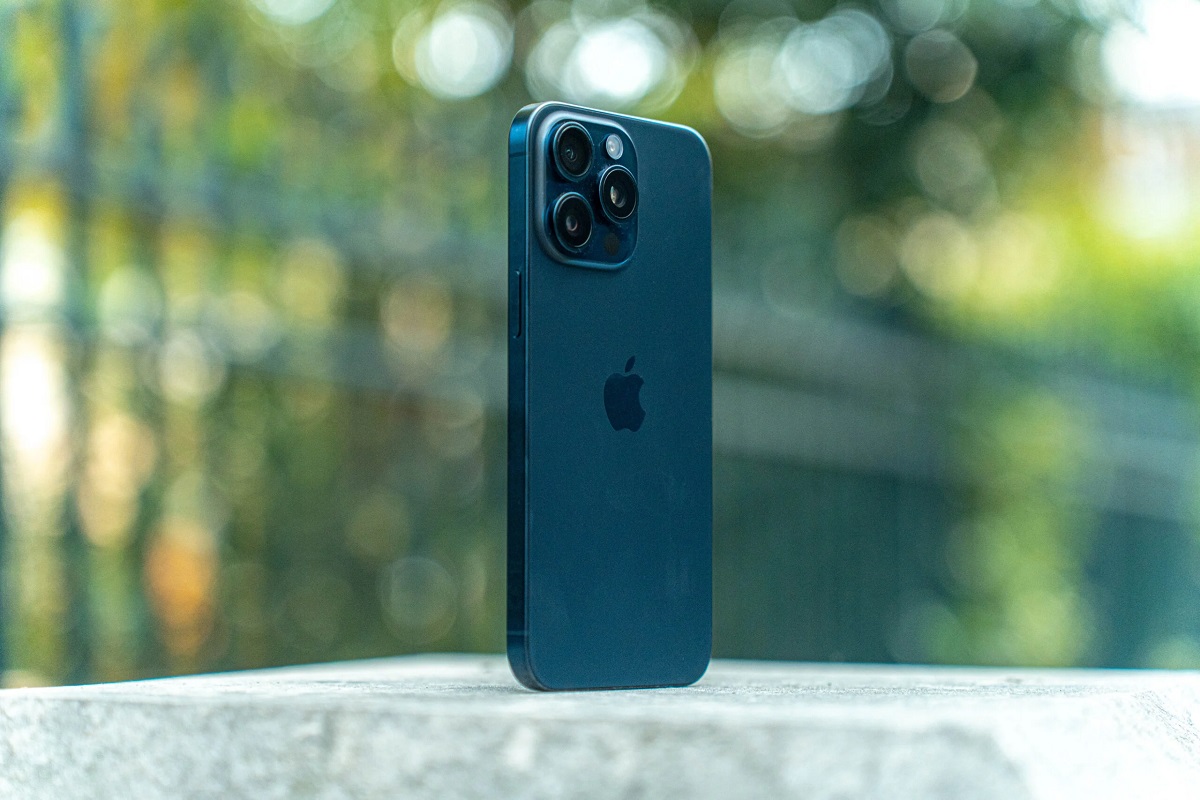
prepares to unveil the AI-powered iPhone 16. But while all eyes are on the latest innovations, a recent survey suggests that the real reasons people upgrade to new iPhones might not be as groundbreaking as we think.
Amazon co-founder MacKenzie Scott has donated over $19 billion to charity in just five years
Diamond batteries powered by nuclear waste promise 28,000 years of clean energy
A Practical Approach to Upgrading
A survey conducted by Consumer Intelligence Research Partners (CIRP) reveals that many iPhone purchases are driven by necessity, not excitement over the latest features. In fact, 44% of respondents said they bought a new iPhone simply because their old one had become “obsolete.” Another 29% cited more unfortunate reasons, such as their phone being lost, stolen, or broken.
In other words, for nearly three-quarters of iPhone buyers, upgrading wasn’t necessarily a choice—they needed a new device. The terms “obsolete” and “broken” leave some room for interpretation, but the message is clear: practicality is the driving force behind most iPhone purchases.
New Features Are Lower on the Priority List
Despite Apple’s efforts to pack each new model with cutting-edge technology, only 18% of those surveyed said they upgraded for the new features. Other reasons, such as carrier deals (6%) and switching to a better network (2%), also ranked low on the list. Interestingly, only 1% of respondents said they bought a new iPhone to keep up with family and friends.
This data suggests that even if the iPhone 16 offers a host of AI-driven advancements, it’s unlikely to cause a rush based solely on novelty. Instead, users are more likely to upgrade when their current device no longer meets their basic needs.
The Role of Obsolescence in the Upgrade Cycle
It’s worth noting that the idea of obsolescence is more complex than it seems. Whether it’s software-related or hardware issues, the reasons people consider their phones “obsolete” are varied. Apple is known for providing long-term software support, often far outpacing competitors, but even this has its limits. Eventually, users may find that their once-reliable devices can no longer keep up with newer apps or operating system updates.
And then there’s the issue of repairs. While Apple has made strides in offering repair services, many phones remain difficult and costly to fix, especially if they’ve sustained physical damage. A broken screen or battery issue can often lead to a replacement rather than a repair, contributing to the feeling that a phone has reached the end of its life.
Could the Upgrade Cycle Be Avoided?
What’s interesting about the survey results is how many iPhone upgrades could technically be avoided. Phones don’t have an expiration date, yet technical limitations, logistical choices, and even marketing strategies push consumers toward a new model. The idea that a phone becomes “obsolete” is often more about convenience and functionality than actual necessity.
NASA warns China could slow Earth’s rotation with one simple move
This dog endured 27 hours of labor and gave birth to a record-breaking number of puppies
If phones were easier to repair or designed with more modular components, it’s possible we’d see fewer people feeling the need to upgrade as often. After all, most of the time, the core technology inside the device is still functional, even if it no longer feels fresh or new.
A Practical Future for iPhone Buyers
As Apple continues to push the boundaries of what its devices can do, it’s clear that for many users, the most exciting feature might just be a phone that works reliably for as long as possible. Whether it’s the AI capabilities of the iPhone 16 or something else, Apple’s success will depend not only on innovation but also on addressing the practical needs of its customers.
So, while the shiny new features are sure to catch some attention, the real story behind iPhone upgrades is simpler: people want a phone that works, and when theirs doesn’t, it’s time for a new one.