
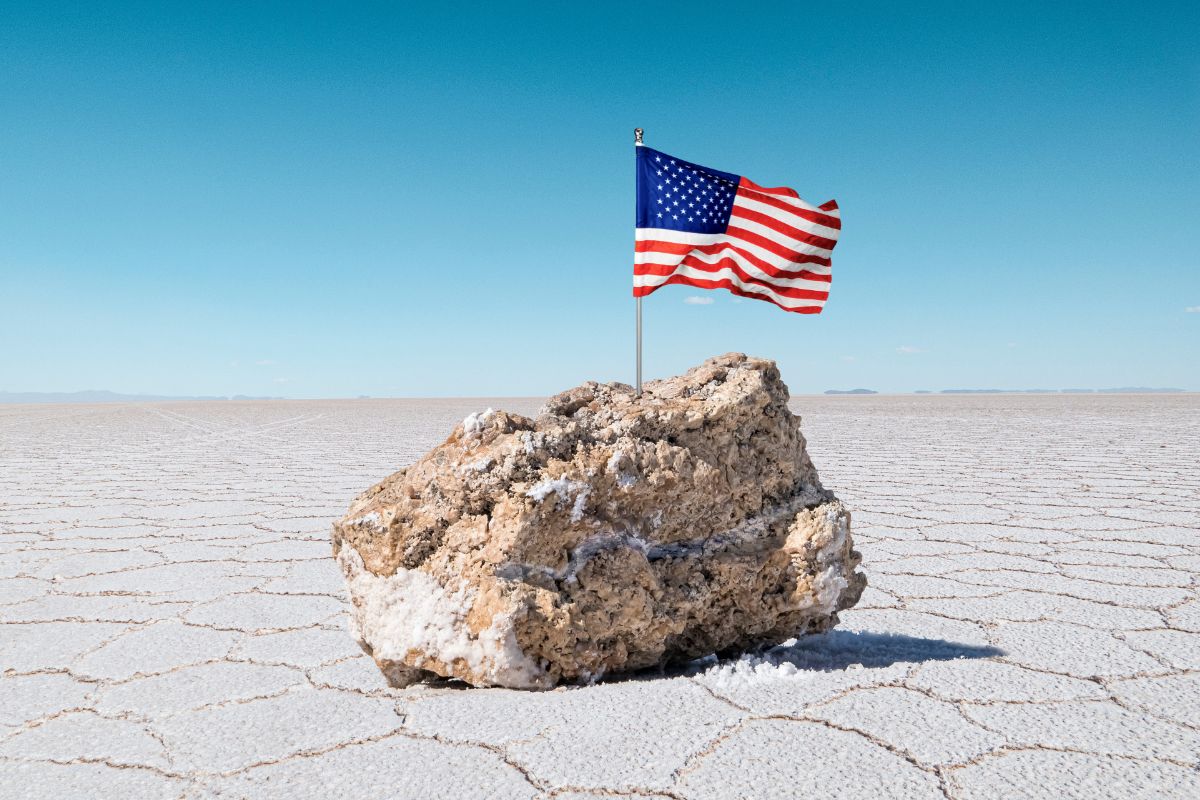
The global race for lithium, the crucial element powering electric vehicles (EVs) and renewable energy storage, has reached a pivotal moment. For years, the United States has grappled with a heavy dependence on imported lithium, much of it refined by its primary competitor, China. In 2023 alone, the U.S. imported 3,400 tons of lithium, with 60% processed in China, according to data from Statista. But a groundbreaking development from American researchers might just tip the scales in this high-stakes contest.
Amazon co-founder MacKenzie Scott has donated over $19 billion to charity in just five years
Diamond batteries powered by nuclear waste promise 28,000 years of clean energy
A Lithium Breakthrough to Challenge the Status Quo
At the heart of this innovation is an electrochemical reactor capable of extracting lithium from natural brine solutions with an efficiency of 97.5%. To put it simply, this means it could soon be possible to draw lithium directly from saltwater sources, a process that promises to be cleaner, faster, and more efficient than traditional mining methods. If successfully scaled, this breakthrough could significantly reshape lithium extraction and reduce the United States‘ reliance on foreign suppliers.
Why Lithium Matters More Than Ever ?
Lithium’s importance cannot be overstated. It’s a cornerstone for building the batteries that power EVs, store renewable energy, and enable the transition to a more sustainable future. However, current extraction methods are far from ideal. They often require vast amounts of energy and involve separating lithium from other elements in complex, resource-intensive processes.
Natural brines—saltwater sources found in geothermal environments—have emerged as a promising alternative to traditional mining. These brines contain significant lithium reserves, but extracting the element from this mix of ions has been a persistent challenge. That’s where the new reactor comes in.
How the Revolutionary Reactor Works ?
The U.S. researchers have developed a three-chamber electrochemical reactor that tackles lithium extraction in a novel way. Unlike older methods, this reactor uses a middle chamber containing a porous solid electrolyte, which precisely controls ion flow. This setup not only enhances the efficiency of lithium extraction but also minimizes unwanted chemical reactions.
A standout feature is the reactor’s cation-exchange membrane, which keeps harmful chloride ions away from the electrodes. This innovation prevents the production of toxic chlorine gas and reduces hazardous byproducts, offering a cleaner solution to lithium extraction.
The Role of LICGC in Lithium Extraction
Central to this cutting-edge system is the lithium-ion conducting glass-ceramic (LICGC) membrane. This advanced material selectively allows lithium ions to pass through while blocking others, ensuring high purity and efficiency. The result? Lithium extracted at an impressive 97.5% purity, ideal for producing high-grade lithium hydroxide—a critical component for EV and renewable energy batteries.
Challenges Ahead and the Path Forward
While the reactor is a significant leap forward, it’s not without hurdles. One of the main challenges is the buildup of sodium ions, which can hinder lithium transport and increase energy consumption. To address this, researchers are exploring strategies like adjusting current levels, using surface coatings, and employing pulsed currents to optimize the system.
Despite these obstacles, the potential benefits are too great to ignore. By refining this technology, the U.S. could drastically reduce its reliance on foreign lithium supplies and create a more sustainable, efficient extraction process that aligns with the growing demand for clean energy.
NASA warns China could slow Earth’s rotation with one simple move
This dog endured 27 hours of labor and gave birth to a record-breaking number of puppies
A Game-Changer for Global Lithium Supply
This innovative reactor represents a monumental shift in how lithium is sourced. It offers a cleaner, more effective alternative to traditional methods while positioning the U.S. as a leader in the global race for this critical resource. As renewable energy and EV markets continue to expand, breakthroughs like this could define the future of energy independence and technological advancement.
In the words of the researchers behind the project, “We are at the forefront of a new era in lithium extraction—one that prioritizes efficiency, sustainability, and self-reliance.” The stakes have never been higher, but with innovations like this, the U.S. is proving it’s ready to lead.