
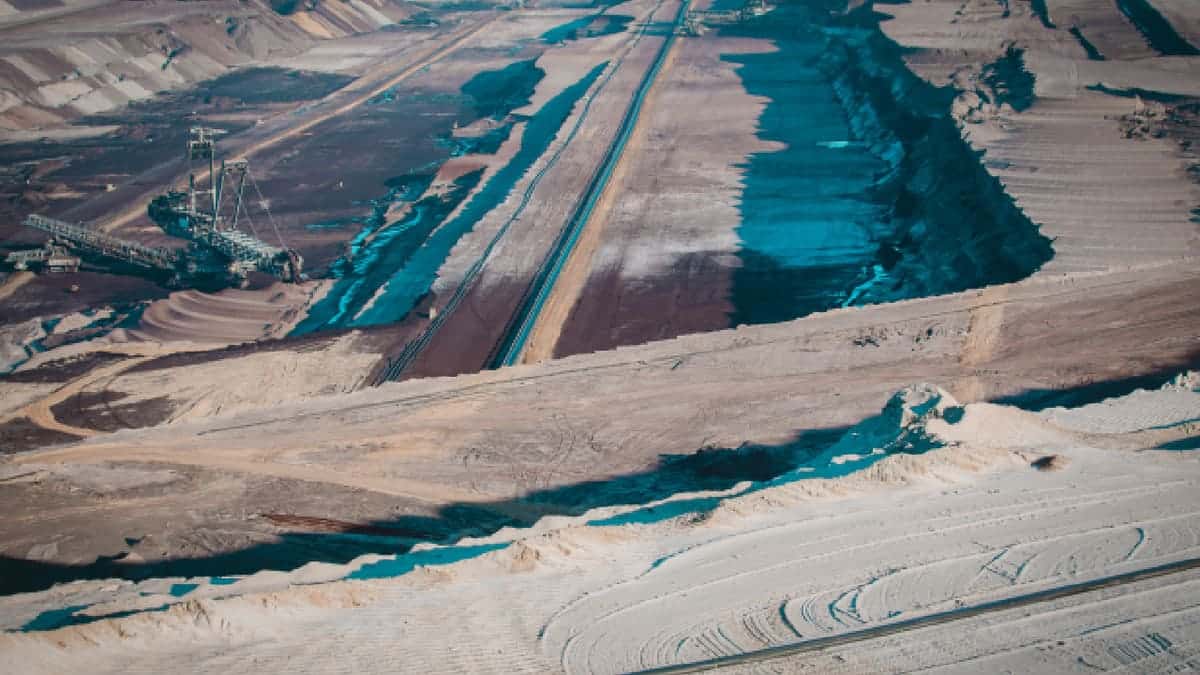
Lithium has become known as the “white gold” of the energy transition, powering everything from electric vehicles to solar energy storage. As the world races to build a greener future, lithium is one of the most sought-after minerals. Yet, despite holding one of the largest lithium reserves on the planet, one country is struggling to get this precious resource out of the ground and into production.
Amazon co-founder MacKenzie Scott has donated over $19 billion to charity in just five years
Diamond batteries powered by nuclear waste promise 28,000 years of clean energy
The Tug-of-War Between Extraction and Processing
Imagine sitting on a gold mine—except this gold is lithium, and it’s incredibly valuable to the global clean energy transition. But turning this resource into something usable isn’t as easy as it sounds. Countries like Mexico have made ambitious moves to nationalize their lithium resources, aiming to capture the economic benefits from this booming sector. The idea was straightforward: develop local capacity, attract electric vehicle manufacturers, and capitalize on growing demand driven by U.S. clean energy incentives.
However, the reality has been more complicated. Many private companies are hesitant to partner with state-run systems due to regulatory complexity and profit-sharing arrangements. The result? Little progress has been made in actually extracting the lithium. It’s a situation that highlights a significant challenge in the industry: while it’s relatively easy to mine lithium, the real value lies in processing it into battery-grade material—a step that requires advanced infrastructure, capital, and technical expertise. Without this, the lithium remains just another mineral, buried deep in the earth.
Chile Faces a Familiar Dilemma
Moving south, Chile—home to some of the largest lithium reserves in the world—is facing a similar conundrum. The government has proposed a plan that mandates majority state ownership for any new lithium ventures, aiming to ensure that the country benefits fully from its mineral wealth. However, this move has sent ripples through the investment community.
Robert Friedland, CEO of Ivanhoe Mines, put it bluntly in an interview: “Money is a coward. It flees at the first sign of trouble.” In other words, international investors are reluctant to commit their capital to a country where political decisions and regulatory changes can create instability. This is a major concern in an industry where it can take up to 10 years for a lithium mine to reach full production. Stability and confidence are key factors for long-term investments, and without them, the industry risks leaving valuable reserves untapped.
Prices, Demand, and a Race Against Time
Despite lithium prices dropping from their all-time highs, they remain above historical averages. Analysts, such as those at Morgan Stanley, have warned that the world could face a 22% shortfall in lithium supply by 2030 unless new projects are fast-tracked. This shortfall could have dire consequences, particularly in regions like Europe, which is racing to electrify its vehicle fleets but still lags behind in battery production.
Meanwhile, China continues to dominate the electric vehicle market, selling millions of EVs each year. The country is also locking down lithium contracts around the globe, leveraging both state-owned enterprises and partnerships with Western automakers. Some automakers, recognizing the importance of securing a steady lithium supply, are now forming partnerships directly with mining companies, ensuring their future access to the mineral.
A Valuable Resource, Stuck in Limbo
The irony here is glaring: countries like Chile, which possess some of the richest lithium deposits in the world, can’t fully take advantage of their resource wealth. Whether due to political hesitation, economic nationalism, or bureaucratic delays, these nations are unable to tap into the full potential of their lithium reserves.
NASA warns China could slow Earth’s rotation with one simple move
This dog endured 27 hours of labor and gave birth to a record-breaking number of puppies
The question now isn’t whether there is enough lithium—it’s whether these countries can turn it into long-term value without scaring off the investment needed to do so. For the rest of the world, the scramble to secure this essential resource is only heating up. As geopolitical interests shift, lithium has become more than just a commodity—it’s a crucial asset in the global race to secure the future of clean energy.