
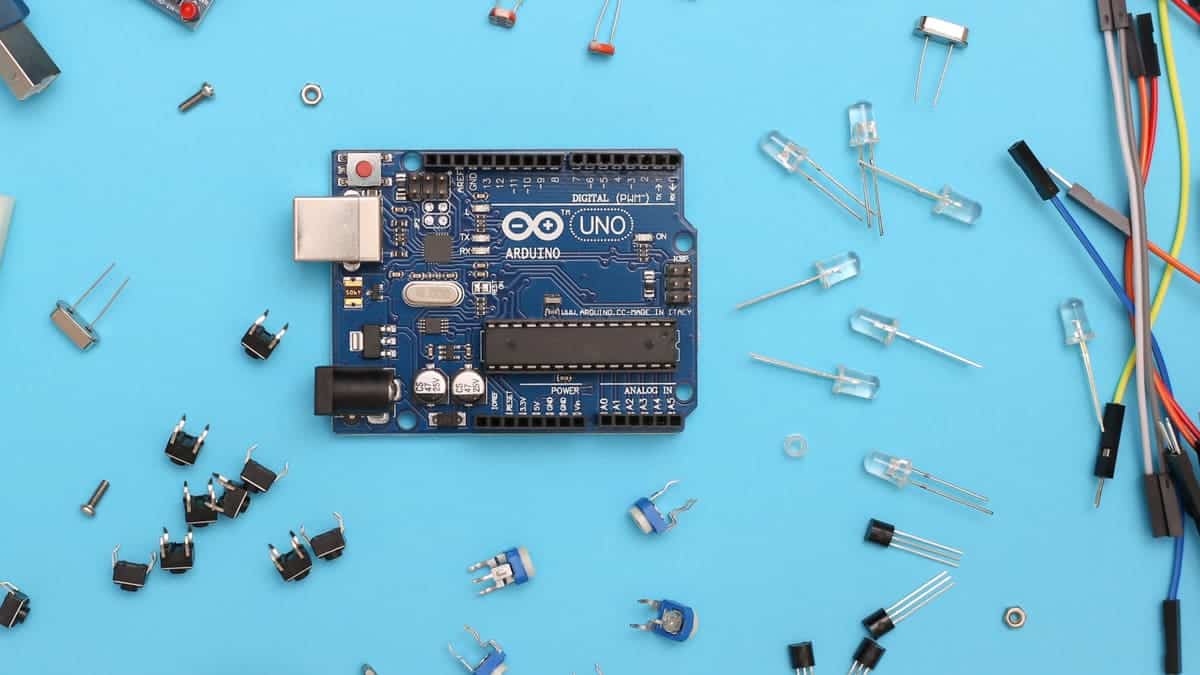
Amid escalating geopolitical tensions, the United States is preparing to implement a full-scale embargo on tech exports to China, Russia, and Iran. Spearheaded by the Biden administration, this move could significantly disrupt the global semiconductor industry, with Nvidia potentially feeling the sharpest consequences.
Amazon co-founder MacKenzie Scott has donated over $19 billion to charity in just five years
Diamond batteries powered by nuclear waste promise 28,000 years of clean energy
A Bold and Aggressive Tech Embargo
The U.S. government’s latest sanctions are aimed at cutting off access to key Western technologies for countries deemed to be adversaries. At the heart of these restrictions are two critical pillars of modern technological progress: lithography equipment used in semiconductor production, and AI chips that are essential for advancements in artificial intelligence.
Although similar measures have been in place for some time, this new round of sanctions marks a significant escalation. Companies such as ASML, Tokyo Electron, and Canon have already been prevented from selling advanced lithography machines to Chinese firms. Similarly, chipmakers like Nvidia, Intel, and AMD have faced bans on selling their most advanced products in China. These moves highlight the growing divide between the technological ecosystems of the West and China, which has become a central battleground in the broader geopolitical rivalry.
In my own experience, it’s fascinating to see how these trade barriers are reshaping the tech landscape. As global supply chains become more fragmented, the impact on companies like Nvidia, which rely on international markets, is becoming more apparent.
The Stakes for Nvidia
Among the companies most vulnerable to these sanctions is Nvidia, which has long considered China a key market. The demand for high-performance chips in China has driven significant growth for Nvidia, and the loss of this market could deal a severe blow to its revenue. CEO Jensen Huang has repeatedly expressed concerns about the long-term impact of these sanctions, warning that isolating China from Western tech might not stifle its development but could instead accelerate its push for technological independence.
“Eventually, everyone loses,” Huang has cautioned, echoing the fears of many industry leaders. There’s a growing concern that this tech embargo will lead to the fragmentation of global innovation, with countries investing heavily in developing domestic technologies to circumvent these restrictions.
In response to earlier trade barriers, Nvidia adapted by creating scaled-down versions of its flagship AI chips, like the A800 and H800, to comply with U.S. regulations. This workaround allowed the company to retain a presence in China, but with upcoming sanctions, those loopholes may close entirely, leaving Nvidia with few alternatives.
New Sanctions on the Horizon
The latest round of sanctions, set to take effect in November, introduces stricter criteria for banning tech exports. Rather than focusing on data transfer capabilities, the new measures target performance thresholds, which will effectively block Nvidia’s modified chips from being sold in restricted markets. This development could prove particularly damaging for Nvidia, which depends heavily on high-performance chips for AI applications.
NASA warns China could slow Earth’s rotation with one simple move
This dog endured 27 hours of labor and gave birth to a record-breaking number of puppies
In addition to these new rules, the sanctions will also extend restrictions on lithography equipment, crucial for semiconductor manufacturing. This could further impact Chinese companies like Biren and Moore Threads, which have thus far avoided the worst of previous sanctions. As these companies work to develop their own alternatives to Western tech, they may increasingly reduce their reliance on foreign innovations.
The complexity of these restrictions is something I’ve seen in other industries before. Companies are often forced to make a tough choice: comply with regulations and lose market share, or take risks and innovate in ways that could violate these measures. For Nvidia, that’s exactly the dilemma they face—comply, or face a future where they could be overtaken by local players in China who don’t have to worry about such restrictions.
A Double-Edged Sword for Global Innovation
While the United States aims to stifle its rivals’ technological advancements, these sanctions might end up having an unintended consequence: they could accelerate the development of domestic semiconductor ecosystems in countries like China. With significant investments already flowing into research and development, China is well-positioned to reduce its dependency on Western technology and become more self-reliant in AI and semiconductor production.
This sets up a difficult paradox for U.S.-based companies like Nvidia. While complying with sanctions is a matter of national policy, cutting off such a crucial market could ultimately erode their competitive edge. As China increases its efforts to develop its own alternatives, the global tech landscape may become increasingly fragmented, with different regions relying on different technologies and standards.
I’ve often found that geopolitical decisions—especially those involving technological powerhouses—have ripple effects that go far beyond the immediate impact. The current tech embargo could drive competitors like China to innovate faster and more aggressively than ever before, changing the way global tech industries function.
The Future of the Global Tech Landscape
This latest round of sanctions marks a new phase in the ongoing U.S.-China tech rivalry, with wide-reaching implications for global innovation, supply chains, and economic growth. While these restrictions may temporarily hinder access to cutting-edge AI chips and lithography equipment, they will likely encourage the rise of alternative solutions and new partnerships in the restricted markets.
For companies like Nvidia, navigating this increasingly fragmented global tech landscape will be a delicate balancing act. As the tech world becomes more divided, businesses will need to weigh the importance of compliance with regulations against their ability to maintain a competitive presence on the global stage.
This tech embargo is just one part of a broader geopolitical struggle over influence and innovation. As the sanctions take effect, the world will be watching closely to see how companies like Nvidia adapt and how nations, industries, and technologies shift in response to this new reality.