
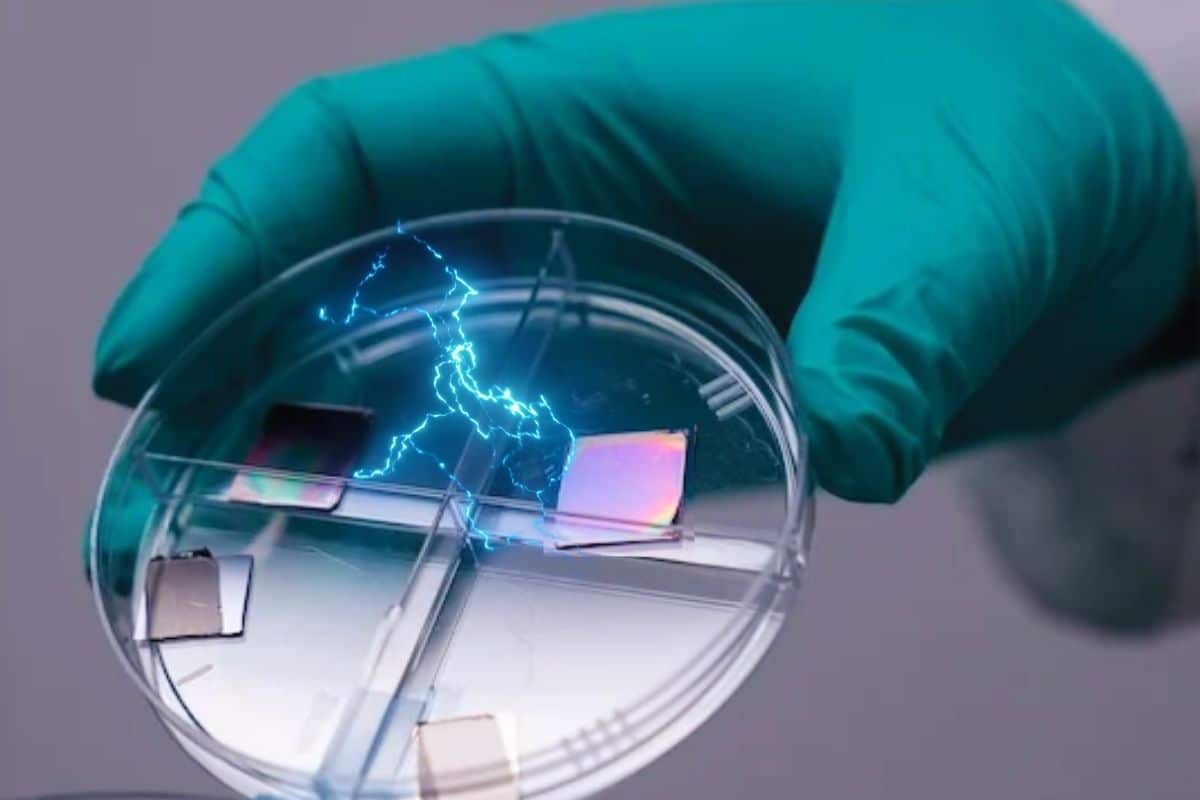
A groundbreaking discovery from Rice University has ignited fresh hope in the world of renewable energy. Researchers have unveiled a technology that converts heat into electricity with an impressive efficiency of 60%, using principles from quantum physics. This breakthrough has the potential to provide a much-needed solution to one of the most significant challenges in renewable energy: efficient energy storage.
Amazon co-founder MacKenzie Scott has donated over $19 billion to charity in just five years
Diamond batteries powered by nuclear waste promise 28,000 years of clean energy
A Major Step Toward “Clean” Energy Storage
The new technology revolves around a system known as thermal energy storage (TES), which is designed to convert heat into electromagnetic radiation that can then be transformed into electricity. The system works by capturing heat using an advanced thermal emitter, which then converts the heat into radiation. This radiation is subsequently turned into electricity by photovoltaic cells. What sets this apart from traditional methods is the efficiency and scalability of this process, making it a promising alternative to current battery systems, which have been criticized for their environmental impact and reliance on rare-earth materials.
The Core Issue with Renewable Energy: Intermittency
One of the primary hurdles facing renewable energy sources, like solar and wind, is their intermittent nature. Solar energy depends on sunlight, and wind energy on, well, wind. These sources are highly variable, meaning that energy production fluctuates based on weather conditions and time of day. This makes managing the electric grid more challenging and necessitates expensive energy storage solutions to ensure a constant supply of power. However, virtual power plants and grid balancing techniques are beginning to show promise in overcoming these obstacles, offering hope for a more reliable, 100% renewable electricity grid.
The Key: An Efficient Thermal Emitter
At the heart of the new technology lies the thermal emitter—the component that makes the conversion of heat to electricity possible. The researchers at Rice University focused their efforts on improving this emitter to minimize energy losses—a problem that has plagued traditional thermophotovoltaic (TPV) systems.
Innovation in Thermal Emitter Design
What makes this development stand out is the unique design of the thermal emitter, which uses silicon nanocylinders arranged on a tungsten sheet. These nanocylinders act as resonators, allowing them to interact in a way that selectively emits only photons with the appropriate energy for the photovoltaic cells. This innovation is a leap forward from earlier TPV systems, which struggled with inefficiency due to broader photon emissions.
Harnessing Quantum Effects
The true breakthrough of this system lies in its use of quantum physics to fine-tune the emission of photons. By controlling the specific energy levels of the emitted photons, this new approach significantly increases the overall efficiency of the system. This level of precision and selectivity is a huge step forward, allowing the technology to reach efficiency levels that were previously considered out of reach.
Future Development Potential
Looking ahead, the researchers are optimistic about the potential for even greater efficiencies. They believe that by incorporating new materials into the system, they can push the efficiency of this technology even further. This would be especially beneficial for extreme environments—such as space missions or remote areas—where efficient, compact energy generation is crucial.
Impact on Renewable Energy Adoption
With the ability to store thermal energy at such a high efficiency, this technology could have a profound impact on the adoption of renewable energy on a large scale. One of the challenges with renewable energy is that it is often generated in excess during periods of high sun or wind, but this excess power needs to be stored efficiently to be used when demand peaks. By making thermal energy storage more scalable and efficient, this new system could help stabilize renewable energy grids, storing excess energy and providing it during high-demand periods.
The breakthrough, detailed in the journal npj Nanophotonics, represents a pivotal moment in the way we approach both energy storage and conversion. With 60% efficiency in converting heat to electricity, Rice University’s technology offers a promising alternative to conventional battery systems, paving the way for a more sustainable future in renewable energy. If scaled successfully, this innovation could dramatically improve the sustainability of energy systems worldwide, marking a significant milestone in the transition to a greener, more energy-efficient planet.
NASA warns China could slow Earth’s rotation with one simple move
This dog endured 27 hours of labor and gave birth to a record-breaking number of puppies