
We often hear the terms venomous and poisonous used interchangeably, but there’s actually a distinct difference between the two. It’s a subtle but important distinction that can make all the difference in how we understand the dangers lurking in nature, from snakes to plants. Whether it’s an animal you’re worried about or a plant you accidentally brushed against, understanding these two terms is essential. Let’s break it down.
Amazon co-founder MacKenzie Scott has donated over $19 billion to charity in just five years
Diamond batteries powered by nuclear waste promise 28,000 years of clean energy
What Does Venomous Mean?
“Venomous” refers to creatures that inject venom into their prey or a potential threat. This venom is delivered through bites, stings, or other specialized mechanisms, like a sharp needle. The venom works as a defense mechanism or as a means of capturing prey. These animals are equipped with specialized glands that produce the venom, which is typically used to immobilize prey or defend against predators.¹
Some of the most common examples of venomous animals include bees, scorpions, spiders, and certain snakes. Even creatures like jellyfish and stingrays fall under this category. A good way to remember it is: If an animal injects poison into you, it’s venomous. They’ve evolved to use this dangerous chemical weapon for survival, whether to catch prey or protect themselves.²
What Does Poisonous Mean?
On the other hand, when we say something is poisonous, it refers to organisms that release toxins when consumed or touched. Unlike venom, which is actively delivered through a bite or sting, poison can be absorbed through the skin or ingested. A poisonous organism may not need to make contact or defend itself in an aggressive way—it simply exists as a toxic threat.³
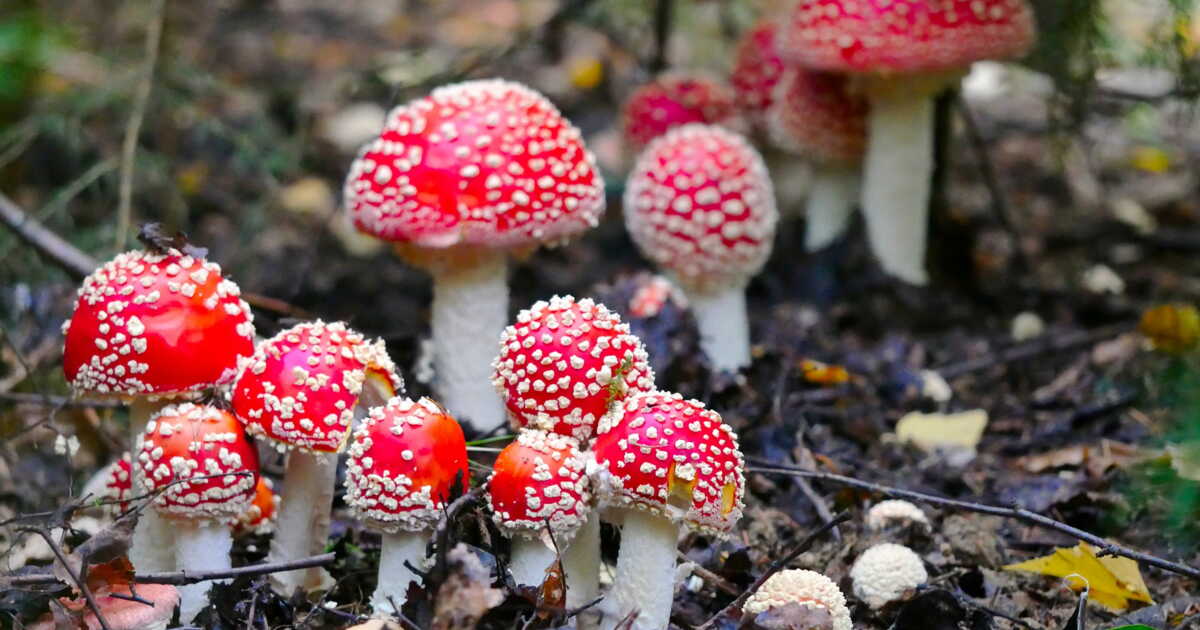
Plants, such as the notorious Amanita muscaria (the classic red and white mushroom), or certain berries, fall into the poisonous category. When touched or eaten, they can cause harm. For instance, belladonna, also known as “deadly nightshade,” is highly poisonous. It’s not that the plant goes out of its way to attack—simply coming into contact with it or consuming its parts can cause severe reactions.
Interestingly, some animals can also be poisonous, though this is less common. Take the Japanese fugu fish, which is poisonous due to toxins found in its organs. If prepared improperly, it can be fatal to those who consume it. Similarly, the pitohui bird in Papua New Guinea carries poison in its feathers and skin, thanks to the toxins in the insects and plants it eats.⁴
So, What’s the Key Difference?
To put it simply: venomous means an animal uses its venom to inject poison into you, while poisonous means you can poison yourself by ingesting or touching the organism. In nature, there are distinct advantages to both. Venom allows creatures to actively defend themselves or immobilize prey, while poison often works as a passive form of defense, warning potential threats to stay away.⁵
But don’t forget, there are exceptions that blur the lines. As we’ve seen, certain animals, like the fugu fish, are poisonous, while other plants and animals, like the pitohui bird, can be poisonous through their diet or secretion.
NASA warns China could slow Earth’s rotation with one simple move
This dog endured 27 hours of labor and gave birth to a record-breaking number of puppies
Conclusion
The next time you’re out in nature or watching a wildlife documentary, you’ll be able to tell the difference between a venomous snake and a poisonous plant. While both pose significant threats, the way they affect us differs—venomous creatures deliver their toxins with a bite or sting, whereas poisonous organisms require a different type of caution. Whether you’re avoiding a sting or keeping a safe distance from a toxic plant, it’s always important to know what you’re dealing with in the wild.⁶
Did You Know?
Venomous animals tend to have quicker attacks, often incapacitating prey in seconds, while poisonous organisms tend to rely on slow-acting toxins.
Footnotes:
-
“Venomous vs Poisonous Animals: What’s the Difference?” National Geographic, 2023. https://www.nationalgeographic.com/
-
“Toxic Plants: How Dangerous Are They?” BBC Science Focus, 2023. https://www.sciencefocus.com/
-
“What Makes Fugu Fish So Dangerous?” Time Magazine, 2023. https://time.com/
-
“Understanding the Pitohui: The Poisonous Bird of Papua New Guinea.” Smithsonian Magazine, 2023. https://www.smithsonianmag.com/
-
“Venomous vs Poisonous: The Ultimate Guide to Understanding the Difference.” Live Science, 2023. https://www.livescience.com/
-
“The Biology of Poisonous and Venomous Organisms.” National Institutes of Health (NIH), 2023. https://www.nih.gov/