
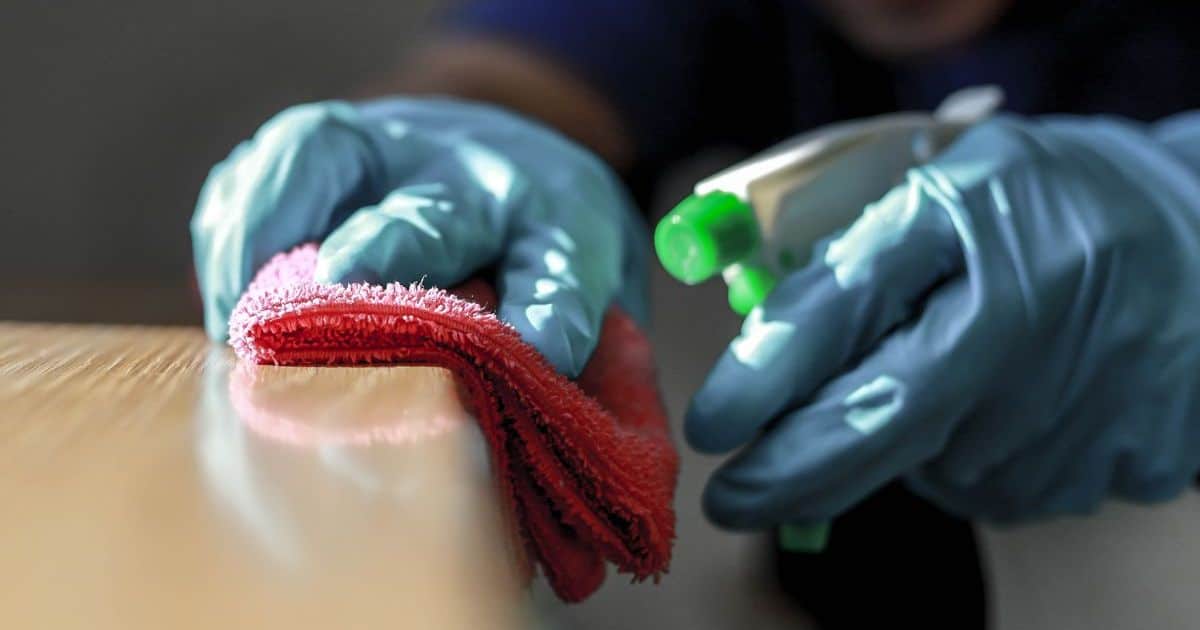
When it comes to maintaining a clean and hygienic home, especially the kitchen, there’s one place that often gets overlooked, and it’s probably somewhere you use every day. While keeping your living space clean is essential for both your health and mental well-being, there are some areas in the kitchen that tend to slip through the cracks.
Amazon co-founder MacKenzie Scott has donated over $19 billion to charity in just five years
Diamond batteries powered by nuclear waste promise 28,000 years of clean energy
The Importance of Cleaning Regularly
Keeping your home clean, especially the kitchen, is vital for reducing bacterial contamination and preventing grease and dust from accumulating. A clean environment isn’t just pleasant to live in—it helps keep your utensils and appliances functioning properly and can even save you money in the long run. Proper maintenance means your kitchen gadgets last longer and work more effectively.
However, the longer you delay cleaning, the more difficult the task becomes. If you want to avoid spending hours scrubbing your kitchen back into shape, it’s best to clean a little every day. Cooking surfaces, prep areas, and cutting boards are particularly prone to dirt and bacteria, making them crucial spots to clean regularly.
What to Clean and How Often
If you want to protect yourself from bacterial contamination, regular cleaning of your kitchen is essential. While it’s unnecessary to scrub every single corner every day, there are some areas that require more frequent attention.
Utensils, cutting boards, and kitchen tools should be cleaned after every use—and make sure to dry them thoroughly to prevent bacteria growth. If some items haven’t been used for a while, it’s a good idea to clean them before putting them to use again. As for the refrigerator, a complete clean every two weeks is highly recommended to ensure proper hygiene. Using airtight containers for leftovers and food storage can also help reduce the buildup of germs.
The Forgotten Spots
While the sink, countertops, and appliances tend to get the attention they deserve, there are some often-forgotten spots in the kitchen that accumulate germs. One of the most commonly overlooked areas? Light switches.
Just like door handles, light switches are touched constantly, often without a second thought. After you’ve handled raw meat or mixed up ingredients for a dish, you may find yourself touching a light switch without washing your hands first. This simple action can lead to contamination spreading throughout your kitchen.
It’s important to clean light switches regularly—ideally once a week, or more frequently if they’re used often. A simple, damp cloth (not a spray directly on the switch) will do the trick. This is a small habit that can go a long way in keeping your kitchen safe and free of germs.
NASA warns China could slow Earth’s rotation with one simple move
This dog endured 27 hours of labor and gave birth to a record-breaking number of puppies
Incorporating regular cleaning routines for areas like light switches ensures that your kitchen is a truly clean and healthy environment for preparing food. Make it a habit to give these often-forgotten spots the attention they deserve, and your kitchen will stay fresh and germ-free.