
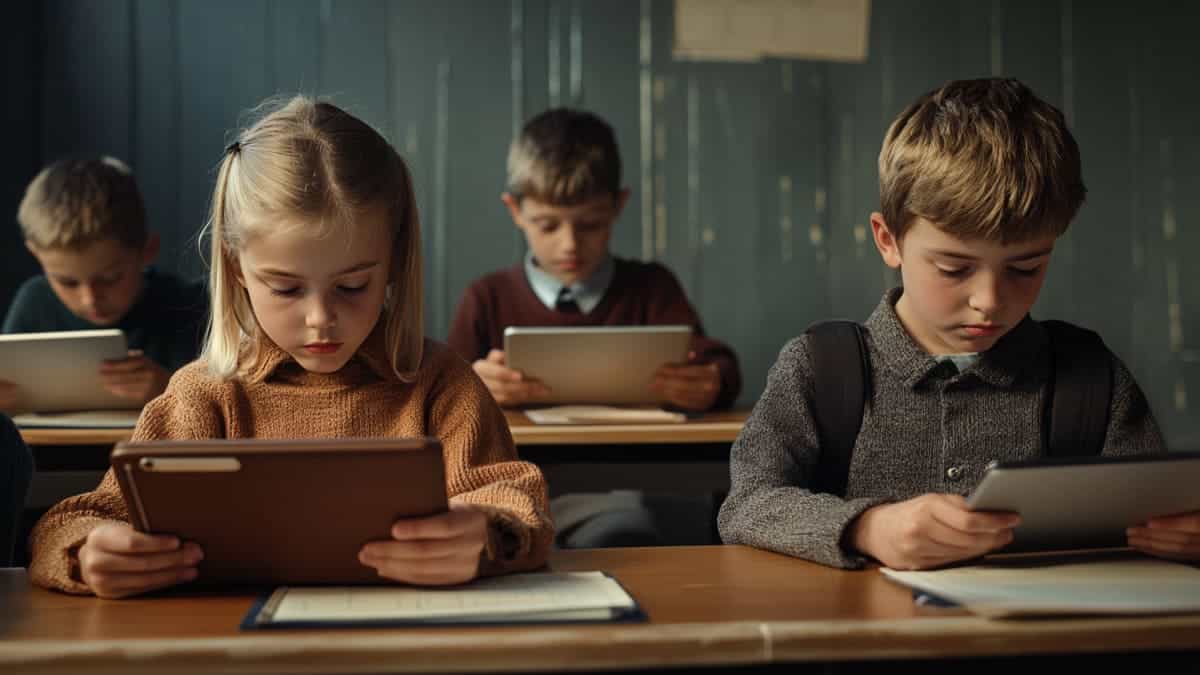
For years, the rise of technology in education was seen as a game-changer. The idea that digital tools could modernize classrooms and enhance learning was an exciting prospect. However, Sweden, often a leader in educational innovation, has recently raised a red flag. Their government is now admitting that excessive screen time in schools might be doing more harm than good. As a result, they’re pushing for a return to traditional textbooks in a bid to address the academic decline linked to digital tools.
Amazon co-founder MacKenzie Scott has donated over $19 billion to charity in just five years
Diamond batteries powered by nuclear waste promise 28,000 years of clean energy
How Screens Took Over Classrooms
Over the last 15 years, Sweden has fully embraced a digital-first approach in schools. From primary schools to high schools, tablets and laptops became fixtures in the classroom. Students were encouraged to use these devices for everything from research to exam prep. The appeal of interactivity and instant access to resources was undeniable. However, it wasn’t long before parents and educators began raising concerns.
There was the constant worry that students weren’t actually studying but rather getting sidetracked by games or videos. Research has since shown that reading on backlit screens can cause eye strain and fatigue, making it more difficult for students to retain information. Moreover, young learners are finding it harder to develop critical thinking skills when relying heavily on digital tools. Sweden’s Minister of Education, Lotta Edholm, has echoed these concerns, noting that the shift to screens may have done more harm than good.
A Decline in Academic Standards
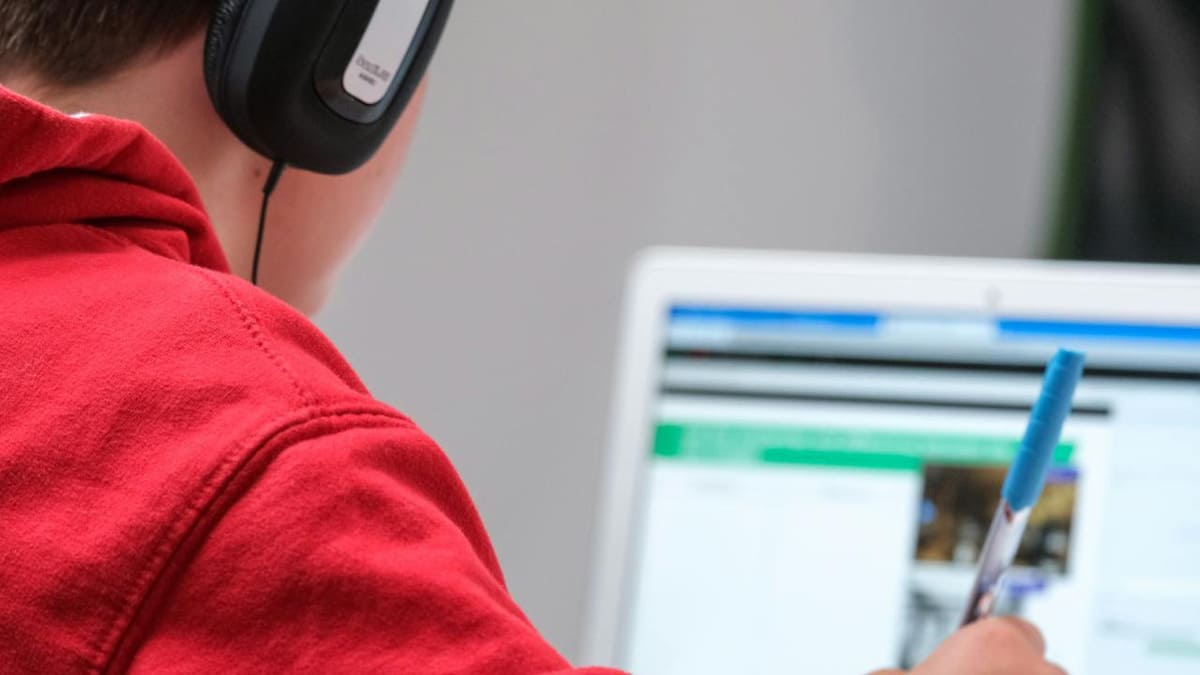
Sweden has long been a country admired for its education system, but recently, there’s been a noticeable drop in student performance. While Swedish students still rank well in reading comprehension compared to their European counterparts, overall academic outcomes have declined. This prompted the Swedish government to reconsider their tech-heavy policies. Edholm explained, “The over-reliance on digital tools has led to a lack of critical thinking and an overconfidence in online sources.”
What’s happening in Sweden isn’t an isolated case. Across Europe and the world, educators and policymakers are grappling with the question of how to integrate technology without sacrificing learning outcomes. In Sweden, however, the response has been bold: a decision to scale back the use of digital tools in favor of printed materials.
Returning to Traditional Textbooks
In 2023, the Swedish government allocated €60 million to fund the return to traditional textbooks, with another €44 million set aside for 2024. Their goal is clear: every student will have a physical textbook for each subject. In some Swedish preschools, educators are even moving away from teaching literacy through tablets and instead opting for hands-on methods using paper and pencils.
This isn’t just a nostalgic nod to the past. Research consistently supports the idea that print materials help students retain information better and engage more deeply with the content. The tactile experience of flipping through pages, combined with the absence of digital distractions, encourages better comprehension and focus.
NASA warns China could slow Earth’s rotation with one simple move
This dog endured 27 hours of labor and gave birth to a record-breaking number of puppies
Balancing Innovation with Effectiveness
While Sweden’s decision to reintroduce textbooks has been met with support, it raises important questions about the place of technology in education. Digital tools undoubtedly offer benefits, from fostering creativity to streamlining communication between teachers and parents. Platforms like Pronote, used in France, have replaced traditional notebooks, making it easier to share schedules, grades, and attendance records.
The challenge, however, lies in finding the right balance. As Sweden reassesses its approach, the global education community is watching closely. The Swedish experience is a valuable reminder that while technology can enhance learning, it shouldn’t come at the cost of foundational educational methods that have proven to be effective.
A Wake-Up Call for Educators Worldwide
Sweden’s decision to scale back screen use in schools serves as a bold acknowledgment that technology, when overused, can hinder rather than help. For parents and educators everywhere, it’s a moment to reflect on how we can best prepare students for the future. By combining the best of digital tools with the proven benefits of textbooks, perhaps the ideal learning environment is one that blends the old with the new.