
The future of smartphones has become a hot topic of debate among some of the biggest names in the tech world, with predictions that range from the wildly ambitious to the cautiously traditional. Elon Musk, the tech entrepreneur known for his ventures with Neuralink and SpaceX, is among the most vocal in predicting the end of smartphones as we know them. His vision? A future where brain-computer interfaces (BCIs) replace smartphones entirely, enabling users to control devices with nothing but their thoughts. It may sound like science fiction, but Musk’s company, Neuralink, has already successfully implanted devices into the brains of two people, hinting that this technology might be closer than we think¹.
Amazon co-founder MacKenzie Scott has donated over $19 billion to charity in just five years
Diamond batteries powered by nuclear waste promise 28,000 years of clean energy
Meanwhile, Bill Gates, never one to shy away from futuristic innovations, has invested in electronic tattoos. These tattoos are designed with nanocensors that can transmit data, potentially revolutionizing healthcare, GPS tracking, and communication. Gates envisions a world where these tattoos take over the roles smartphones currently fulfill, offering a more seamless, wearable solution to stay connected².
On a similar track, Mark Zuckerberg, CEO of Meta, believes the future lies in augmented reality (AR) glasses. According to Zuckerberg, by 2030, these glasses will serve as the primary platform for computing, overtaking smartphones in terms of functionality. Imagine doing everything you currently do on your phone—texting, gaming, even video calling—through glasses that allow you to experience it all hands-free, with a simple glance³.
Did you know?
The concept of brain-computer interfaces (BCIs), which Musk champions, is already advancing with remarkable success. Neuralink, Musk’s company, has been implanting BCIs in human brains since 2021. While this technology has primarily been aimed at helping those with neurological conditions, it also hints at the possibility of controlling devices directly through thought—potentially making smartphones a relic of the past⁴.
Apple’s Position: A Renewed Confidence in Smartphones
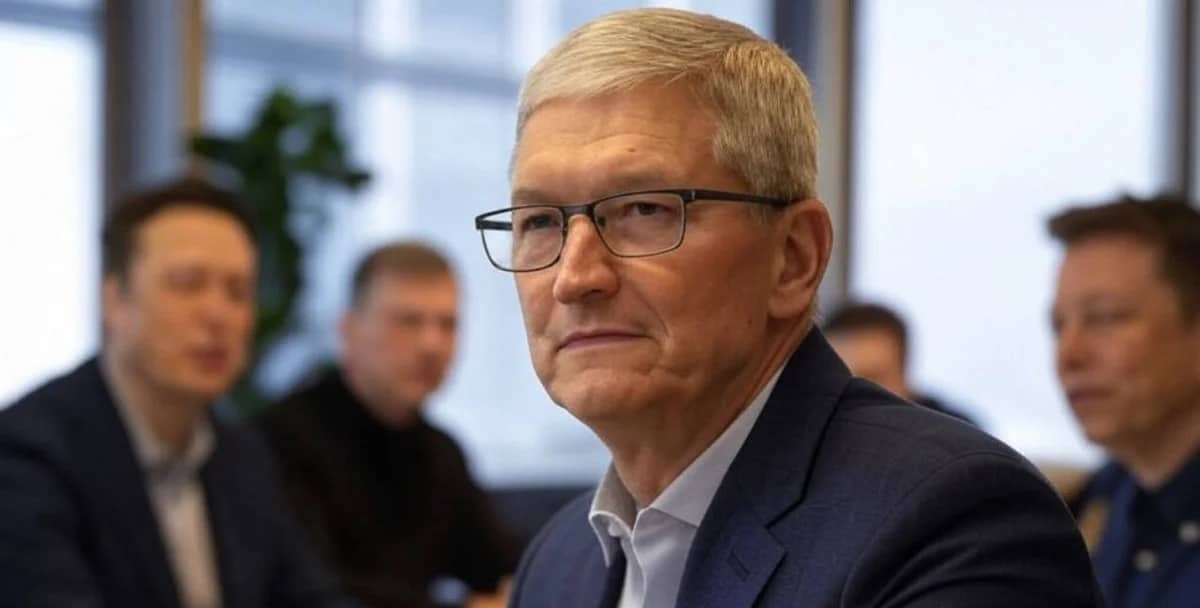
While tech giants like Musk, Gates, and Zuckerberg are busy imagining a world without smartphones, Apple’s CEO Tim Cook isn’t ready to let go of the iconic device just yet. Under Cook’s leadership, Apple continues to innovate with smartphones at the core of its strategy. The recent launch of the iPhone 16, for example, showcases Apple’s commitment to enhancing the smartphone experience with advanced artificial intelligence features. These updates are aimed at making everyday tasks even easier, cementing Cook’s belief that smartphones will remain essential, even as new technologies make waves⁵.
Cook is quick to point out that while the tech landscape is evolving, the smartphone will continue to serve as the cornerstone of personal technology. Apple’s strategy is focused on ensuring that the smartphone experience remains relevant by improving its quality and usefulness. Instead of being replaced, Cook believes smartphones will complement emerging technologies like AR and AI, working in tandem to provide users with an integrated, seamless experience⁶.
For Apple, the smartphone isn’t just a gadget—it’s a platform that will continue to evolve alongside new innovations. Cook has emphasized that despite the rise of augmented reality and other futuristic technologies, smartphones will still play a pivotal role in daily life. As he sees it, smartphones will remain not just relevant but indispensable for years to come⁷.
The Future of Smartphones: A Tension Between Old and New
The battle for the future of personal technology is far from over. While figures like Musk, Gates, Zuckerberg, and Sam Altman foresee a future where new devices and technologies challenge the smartphone’s dominance, Tim Cook’s unwavering confidence in the smartphone suggests that Apple will continue to lead the charge in smartphone innovation. For now, the company’s strategy revolves around continuously improving the smartphone’s functionality, ensuring it remains the device of choice for billions of users around the world.
NASA warns China could slow Earth’s rotation with one simple move
This dog endured 27 hours of labor and gave birth to a record-breaking number of puppies
As these different visions unfold, it will be fascinating to watch how they compete. Will new brain-computer interfaces and augmented reality devices make smartphones obsolete, or will these emerging technologies become integral components of the smartphone ecosystem? The tech landscape is changing rapidly, but for now, the smartphone remains firmly in the driver’s seat—at least for those who believe, like Tim Cook, that the device has much more to offer in the years ahead.
Footnotes:
-
Neuralink Successfully Implants Second Brain-Computer Interface Device. https://pureai.com/articles/2024/08/07/neuralink-implants-second-neural-device.aspx
-
Electronic tattoos will replace smartphones. https://traveltomorrow.com/electronic-tattoos-will-replace-smartphones-says-bill-gates/
-
Zuckerberg’s Vision for 2030: How Smart Glasses Will Overtake Smartphones. https://www.1950.ai/post/zuckerberg-s-vision-for-2030-how-smart-glasses-will-overtake-smartphones
-
What Neuralink’s Progress Means for Everyday Interfaces. https://fonzi.ai/blog/neuralink-ai-interface
-
Apple reveals iPhone 16 and ‘Apple Intelligence’ AI features. https://www.theguardian.com/technology/article/2024/sep/09/apple-ai-iphone-16
- Tim Cook’s unshakable vision for augmented reality: Smart Glasses as Apple’s next technological revolution. https://xpert.digital/en/vision-for-augmented-reality/
- How AI is Shaping the Future of Smartphones. https://aijourn.com/how-ai-is-shaping-the-future-of-smartphones/