
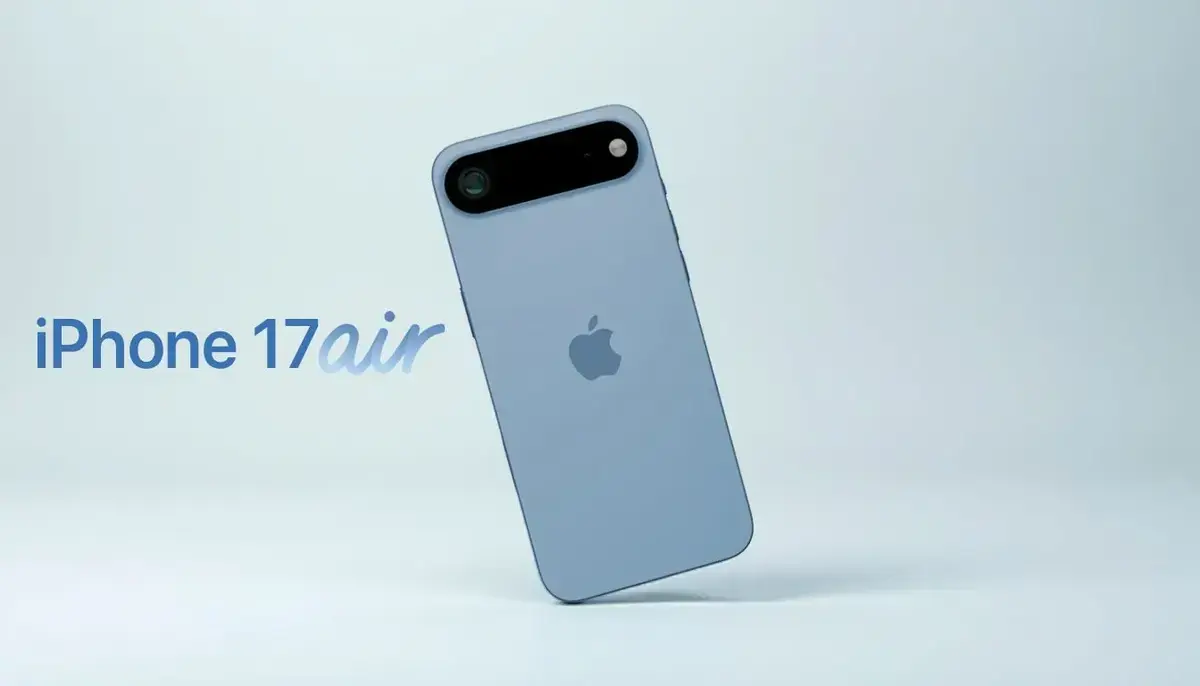
Apple might finally release a completely port-free iPhone, and it wouldn’t even upset the European Union. Contrary to what some might think, the EU’s universal charger directive does not require the retention of the USB-C port as long as the device doesn’t offer wired charging. However, Apple chose not to take this route with the iPhone 17 Air.
Amazon co-founder MacKenzie Scott has donated over $19 billion to charity in just five years
Diamond batteries powered by nuclear waste promise 28,000 years of clean energy
Apple Switched From Lightning to USB-C
A quick reminder: the reason iPhones switched to USB-C was due to a European directive aimed at reducing electronic waste by enforcing a common port for all smartphones. This move was intended to prevent consumers from accumulating unnecessary cables. Apple had to comply by abandoning its Lightning port, which had been a standard on iPhones for over a decade.
Originally, when the idea of a single charger standard was first proposed, microUSB was the prevalent standard. Fortunately, USB-C became dominant before the law was implemented. As a result, all new iPhones sold in Europe must now come with USB-C, forcing Apple to phase out older models with Lightning ports, such as the iPhone SE and iPhone 14, by early 2025.
Apple Considered a Fully Wireless iPhone
According to various sources, Apple seriously considered making the iPhone 17 Air completely port-free. This would mean no cables, just MagSafe charging and cloud synchronization. The idea was to create the thinnest iPhone ever, but the company ultimately backed down, partly due to concerns over potential conflicts with European regulators.
However, these concerns were apparently unwarranted. The EU does not require manufacturers to include a USB-C port; it only mandates that if a device offers wired charging, it must be through USB-C. A smartphone that only charges wirelessly is perfectly permissible.
A Port-Free iPhone Is Only a Matter of Time
It’s official: the EU has confirmed that a fully wireless iPhone would be compliant. Moreover, the European Commission is even planning to promote the adoption of universal wireless standards to prevent brands from creating incompatible systems. Apple has already prepared for this by making its MagSafe technology compatible with Qi2, a wireless charging standard shared with other manufacturers.
So, while it might not happen this year, a 100% wireless iPhone is definitely on the horizon. What do you think about that? Would it be acceptable to you?