
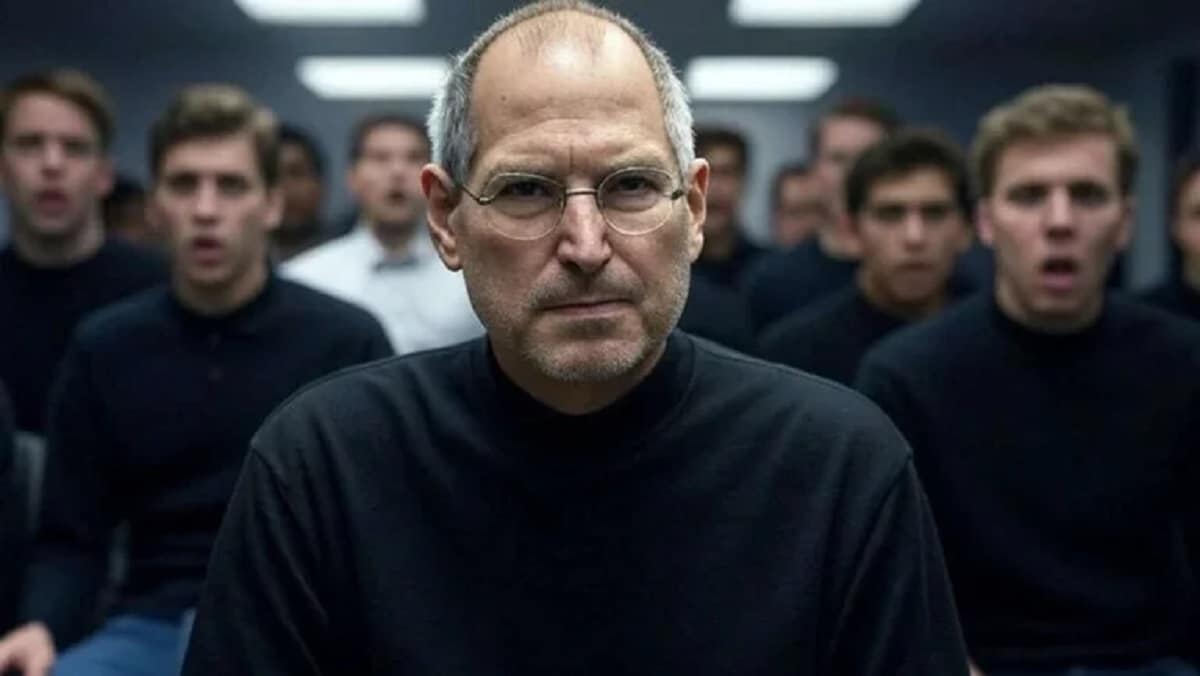
The corporate world has been flipped on its head, and this time, it’s the executives who are considering walking out the door. A new study reveals that 20% of managers are contemplating quitting because of their struggles with managing Generation Z workers. The younger generation’s approach to work is clashing with traditional corporate expectations, leading to a growing tension that’s testing the patience of many leadership teams.
Amazon co-founder MacKenzie Scott has donated over $19 billion to charity in just five years
Diamond batteries powered by nuclear waste promise 28,000 years of clean energy
The Rise of Generation Z and the Strained Relationship with Managers
Generation Z—the group born between 1997 and 2012—is having a profound impact on the workplace. Their unique values and work habits are pushing managers to rethink how they lead. The study highlights that 51% of managers are feeling frustrated by the differences in expectations, with 44% stressed out and 31% expressing disappointment over the generational divide. For some, these frustrations have led them to fire a Gen Z employee or even avoid hiring them altogether.
I spoke to a senior manager at a marketing firm who admitted that the shift in expectations was challenging. “We’ve always valued loyalty and hard work,” she said. “But now, the younger employees seem more focused on work-life balance and finding purpose in their work. It’s hard to adjust.” It’s clear that the frustration is real, but understanding the cause is key to moving forward.
The End of the Era Where Employees Feared Their Bosses?
In the past, managers were often seen as figures of authority—demanding dedication, loyalty, and long hours. Think of the legendary leadership style of Steve Jobs, whose intense expectations and quick decisions earned him a reputation for being a tough boss. However, Generation Z has turned these expectations upside down. For them, flexibility, mental health, and work-life balance are non-negotiable.
A shift in values is becoming evident: Generation Z doesn’t want to be constantly connected to work, and receiving a call from a boss during vacation? Not okay. While older generations may have been more accustomed to the idea of “working hard at all costs,” studies suggest that the younger generation’s approach, focusing on balance and well-being, might actually benefit both mental health and productivity.
From “Think Different” to “Work Different”
Steve Jobs famously transformed Apple’s corporate culture, pushing the company to operate with an obsessive commitment to perfection. But today, Generation Z is challenging the very idea of how a company should be run. They are used to a world of constant connectivity, and their communication style is more informal than what previous generations are used to.
The traditional hierarchical approach that Jobs championed is being questioned. Managers across industries report that leading this younger generation requires more effort and adaptation than ever before. Two-thirds of managers say they’ve had to adjust their leadership styles to accommodate the expectations of Gen Z. Moreover, 75% admit that managing these young employees requires more time and resources than in the past.
The Bigger Picture: How the Pandemic Accelerated This Shift ?
The pandemic played a significant role in accelerating these generational changes. Generation Z, often referred to as digital natives, grew up with technology at their fingertips. They view work through a different lens than their older counterparts, questioning why they should follow the same work patterns as previous generations.
NASA warns China could slow Earth’s rotation with one simple move
This dog endured 27 hours of labor and gave birth to a record-breaking number of puppies
The pandemic also raised the importance of mental health and the need for feedback in the workplace. Gen Z wants employers to recognize their personal values, which include transparency, flexibility, and a sense of purpose in their work. As a result, businesses are having to adapt or risk losing the younger generation to more forward-thinking companies.
Is the Balance of Power Shifting?
While it may seem like the power dynamic is tilting in favor of Generation Z, the truth is more complex. Companies with rigid structures are still holding on to traditional norms, and in certain industries, the power dynamics remain largely unchanged. But with increasing conversations about workplace stress and employee well-being, there’s no denying that the expectations of Gen Z are shaping the future of leadership.
Reflecting on the past, it’s hard to imagine that a time would come when executives—not employees—would be contemplating leaving their roles. The corporate landscape is evolving, and the challenge now is how to adapt leadership styles to meet the demands of a new generation without losing sight of the needs of more traditional structures.
As companies look ahead, the key will be finding balance—understanding the values of Gen Z while still honoring the responsibilities of leadership. Whether or not the balance of power has truly shifted, one thing is clear: adapting to these changes will require flexibility, understanding, and a willingness to evolve. The future of leadership depends on it.