
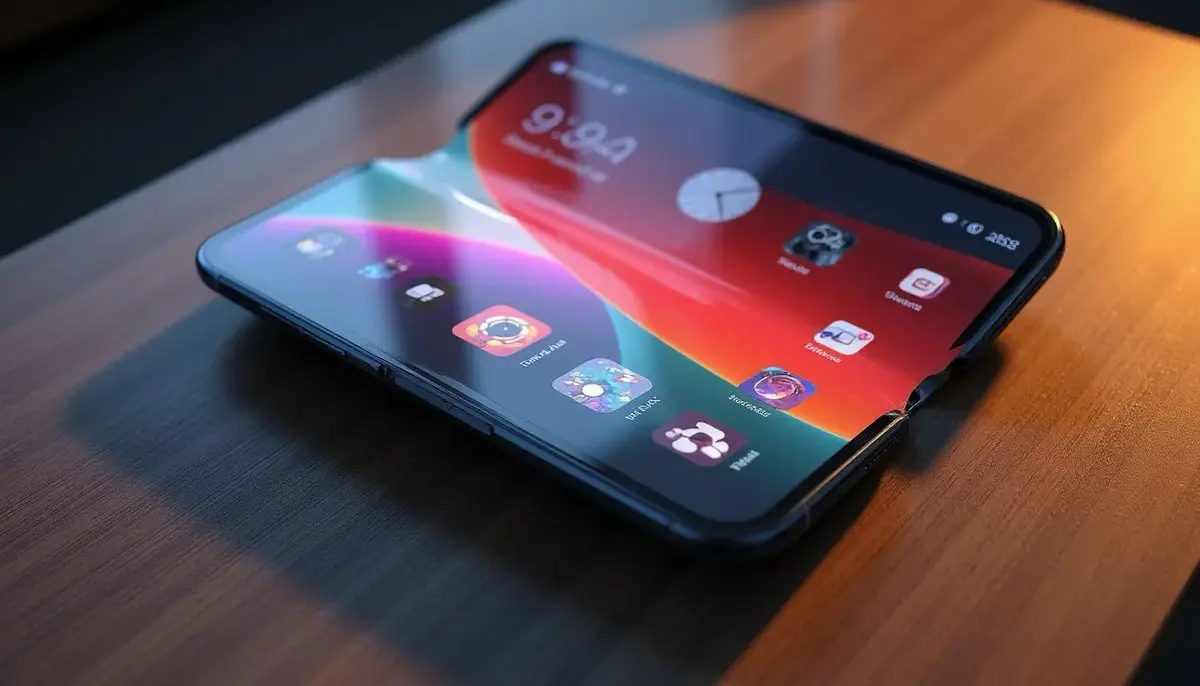
Speculation is mounting about Apple’s foldable iPhone. It seems the focus is on energy optimization and a slim design, even at the cost of removing some key components. However, last week brought the hinge back into the spotlight.
Amazon co-founder MacKenzie Scott has donated over $19 billion to charity in just five years
Diamond batteries powered by nuclear waste promise 28,000 years of clean energy
A Hinge That Holds Up
According to Instant Digital on Weibo, Apple has decided to use a sparingly utilized alloy known as liquid metal. This material, also referred to as amorphous metal, possesses a disorganized atomic structure, making it significantly more resistant to bending and warping than traditional metals.
That’s precisely why Apple has chosen it for one of the most crucial parts of their upcoming foldable iPhone: the hinge. This component, which faces daily wear and tear, often shows unsightly creases or signs of early wear in other brands’ models. However, liquid metal is more durable, corrosion-resistant, and provides a smooth, shiny finish, similar to stainless steel but more visually appealing—making it the ideal candidate for a flexible screen.
Apple has already used this material before; it’s found in the small tool known to Mac users as the iPhone’s SIM card ejection pin. But this time, the iPhone Fold would mark the first large-scale use of liquid metal in a significant mechanical part. The exclusive supplier is expected to be Dongguan EonTec, a Chinese company.
iPhone Fold vs. Galaxy Z Fold?
Design-wise, the direction is more toward the Fold model (not Flip), meaning a book-like format similar to the Samsung Galaxy Z Fold, featuring a large 7.8-inch internal display and a 5.5-inch external screen. Additionally, it includes two rear cameras, a single front camera, an integrated Touch ID in the power button, and an impressively thin profile: 4.5 mm when unfolded, thinner than an Apple Pencil. When closed, it would measure between 9 and 9.5 mm thick.
Ming-Chi Kuo suggests that the starting price could be around $2,000, with a launch planned for next year. He also mentions a dual rear camera setup and a single front camera. Interestingly, there would be no Face ID; instead, Apple would integrate a Touch ID sensor directly into the power button to save internal space. The smartphone would be constructed using premium materials, including a titanium chassis and a hinge made of titanium and stainless steel.
For those looking forward to even bigger innovations: an 18.8-inch foldable device might also be in the works by 2027. A giant iPad? A hybrid Mac? Apple remains tight-lipped, so at this stage, any speculation is possible.