
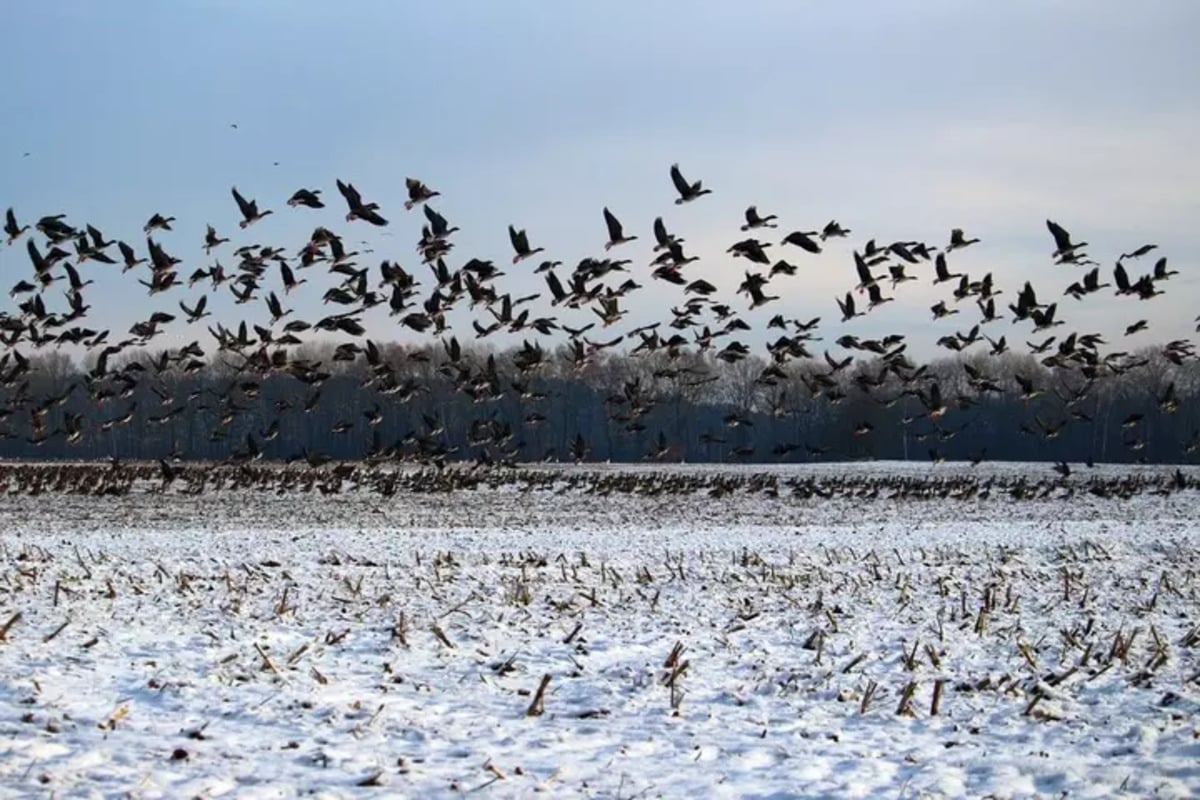
In recent years, science has shed light on some truly remarkable feats of nature, particularly when it comes to migratory birds. These incredible creatures, whose journeys were once a mystery, are now being revealed as the true athletes of the natural world. According to ornithologist and environmental journalist Scott Weidensaul, the capabilities of these birds are far beyond what we ever imagined just a few decades ago. In his book, The World at Your Wings, Weidensaul shares new insights into the astonishing feats of migratory birds—and the challenges they face in a rapidly changing world.
Amazon co-founder MacKenzie Scott has donated over $19 billion to charity in just five years
Diamond batteries powered by nuclear waste promise 28,000 years of clean energy
How Screens and Sensors Unveil the Secrets of Migration
Thanks to technological advances in the past three decades, we now have a deeper understanding of how these birds manage such epic journeys. With the help of miniaturized sensors—some weighing just a gram—and geolocation technology, scientists have been able to track the movements of migratory birds like never before. In what Weidensaul calls the “golden age of ornithology,” these new tools have allowed researchers to push the boundaries of what we know about these creatures.
Until recently, ornithology was limited to studying birds during their breeding periods in Europe and North America. We had little idea where these species went during the winter months. But now, through the use of radar networks and cutting-edge tracking technology, we are learning about their journeys, distances, and even the specific routes they take.
Incredible Distances: A Whole New Perspective on Migration

Take, for example, the Arctic Tern, the undisputed champion of migration. This bird travels roughly 80,000 km each year as it migrates between the poles, with some individuals flying as far as 92,000 km. These staggering distances put human travel to shame. But beyond the numbers, the science reveals something even more awe-inspiring: the physical abilities that allow these birds to cover such vast expanses.
Scientists have been astounded to learn just how physically capable these birds are. Take the bar-tailed godwit, for example. These small birds prepare for their non-stop, multi-day journey between Alaska and New Zealand by accumulating up to 17 times more fat than usual. They burn this fat more efficiently than humans and can go without food or water for days without the risk of dehydration.
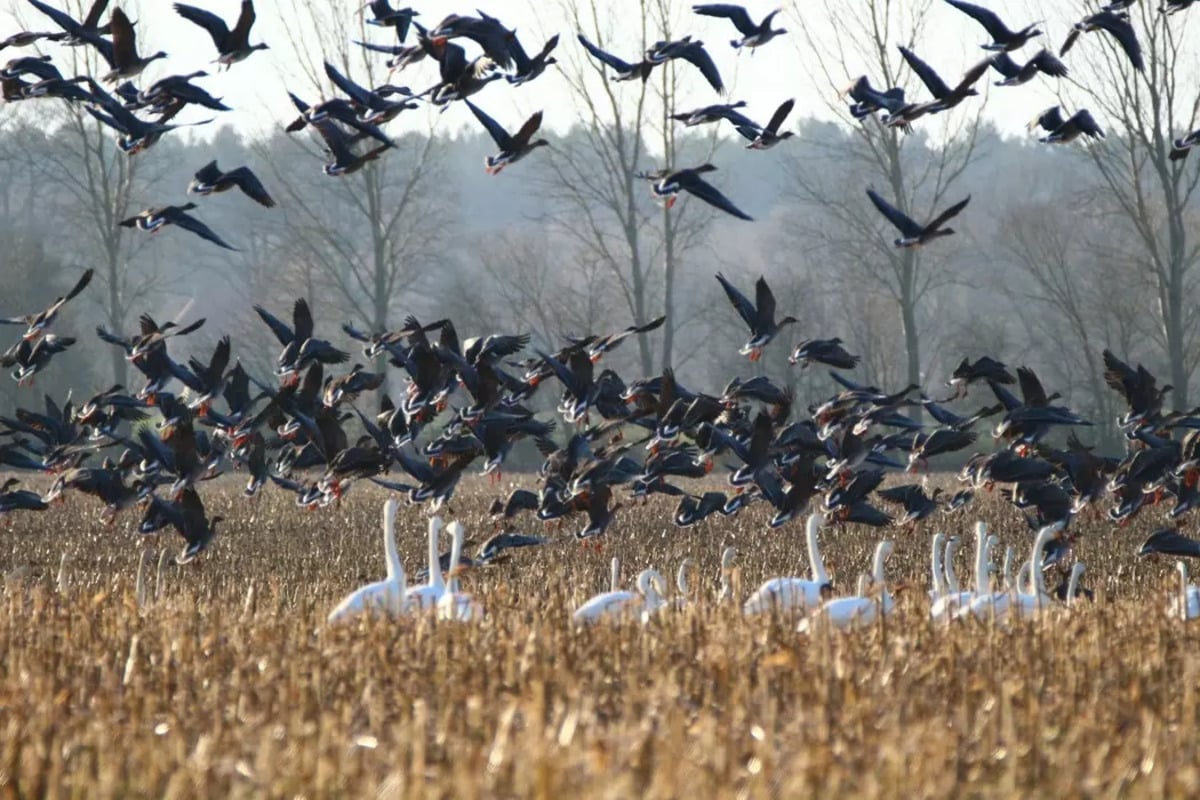
In addition to physical endurance, birds have developed remarkable strategies for navigating through the skies. Some species, like migratory geese, fly at incredible altitudes, such as 7,200 meters to cross the Himalayas, thanks to specialized respiratory systems that allow them to breathe in thinner air. Others, like the indigo bunting, use the Earth’s magnetic field as a compass, relying on a magnetic sensor in their eyes to guide them through the night.
Migratory Connectivity: A Whole-World Approach to Conservation
NASA warns China could slow Earth’s rotation with one simple move
This dog endured 27 hours of labor and gave birth to a record-breaking number of puppies
These extraordinary feats of migration highlight not only the physical capabilities of migratory birds but also their vulnerability. As Weidensaul points out, migratory birds are not tied to a single place—they are citizens of the entire planet. Their life cycle, which spans multiple continents, requires us to think about conservation in a global context. What happens at one point in their journey can affect their survival during the rest of the migration.
In the 1990s, ornithologists discovered the alarming collapse of the Swainson’s hawk population in California. These hawks, which wintered in Argentina, faced a deadly combination of pesticide use and changing agricultural practices in their winter habitats. Thankfully, a government ban on certain pesticides allowed the hawk population to recover. But the lesson is clear: migratory birds are deeply interconnected with human activities, and small changes in one part of their habitat can have devastating effects.
Climate Change: A Growing Threat to Migratory Birds
Unfortunately, climate change has become one of the biggest threats to migratory birds. As temperatures shift and ecosystems change, many species find themselves struggling to adapt. For example, in Western Europe, the population of black flycatchers has dropped dramatically because these birds can no longer time their migration to coincide with the peak abundance of insects—critical food for their young. The earlier arrival of warmer weather means fewer insects are available when the birds arrive, leaving their chicks malnourished and unable to survive.
Rising sea levels are also threatening migratory birds, particularly those that nest on small islands. In the Bahamas, for instance, the Kirtland’s warbler is facing the loss of its nesting grounds, as the islands it occupies are at risk of disappearing beneath the rising seas.
Small Victories and a Hopeful Future
While the threats to migratory birds are dire, there are still signs of hope. In China, the government has taken steps to protect vital wetlands used by millions of migratory birds, such as in the Yellow Sea, by banning coastal development. This action has already led to positive changes in bird populations.
In Nagaland, a state in northeast India, local communities have come together to end the mass killing of Amur falcons, once a source of income for the region. Now, this area has been transformed into a “Falcon Capital”, where ecotourism and sustainable practices are helping to protect these birds.
Moreover, some species are showing signs of adapting to changing climates. In the United States, hummingbirds from Alaska have begun migrating to Pennsylvania instead of their usual wintering grounds in the Amazon. Once unlikely survivors of cold winters, these birds are now successfully adapting to warmer temperatures and may even pass on their more resilient genes to future generations.
The Future of Migration: A Call to Action
Despite the small victories, the challenges for migratory birds remain immense. To ensure their survival, we need to think beyond borders and take global action. Protecting migratory birds requires understanding and preserving the entirety of their migration routes, from breeding grounds to wintering habitats. If we want to continue to marvel at these airborne champions, it is up to us to preserve the Earth they rely on. As Weidensaul concludes, the survival of migratory birds is ultimately tied to how we choose to share the planet with them.