
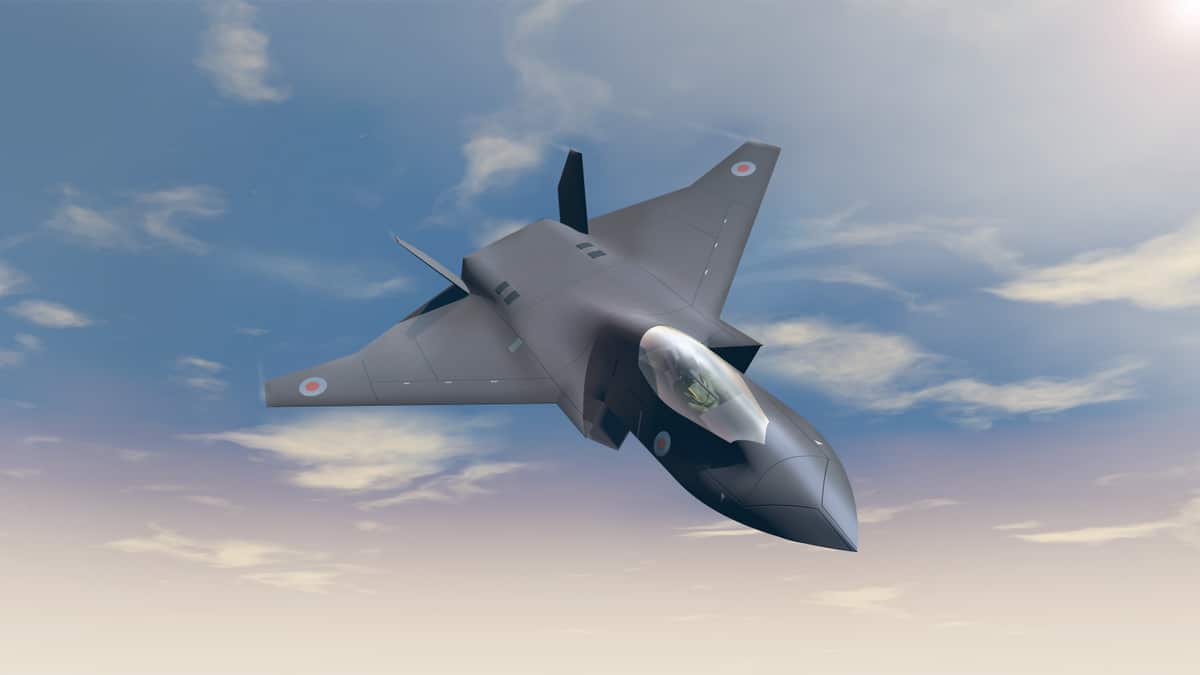
Developing a sixth-generation fighter jet is an ambitious undertaking, one that history has shown to be riddled with budget overruns, technical delays, and unexpected challenges. The Lockheed Martin F-35 serves as a prime example—initially envisioned as a cutting-edge multirole fighter, the program’s costs have soared to an estimated $1.7 trillion, making it one of the most expensive defense projects ever.
Amazon co-founder MacKenzie Scott has donated over $19 billion to charity in just five years
Diamond batteries powered by nuclear waste promise 28,000 years of clean energy
Despite these cautionary tales, the United Kingdom, Italy, and Japan are forging ahead with a bold strategy: a collaborative effort to build an advanced combat aircraft that aims to be more efficient, cost-effective, and technologically superior. Their joint initiative, the Global Combat Air Program (GCAP), seeks to sidestep the pitfalls that have plagued similar projects and set a new standard in military aviation.
A Strategic Partnership to Share Costs and Expertise
One of the biggest hurdles in developing next-generation fighter jets is cost. With expenses running into the hundreds of billions, no single nation wants to shoulder the financial burden alone. That’s why the UK’s Tempest program, Japan’s FX project, and Italy’s aerospace ambitions have converged under GCAP—a multinational effort designed to pool expertise, resources, and cutting-edge technology.
The project brings together some of the biggest names in defense and aerospace:
- BAE Systems is leading the overall development.
- Rolls-Royce is designing the next-generation engines.
- Leonardo and Mitsubishi Heavy Industries are focusing on advanced avionics and electronic systems.
- MBDA is developing a state-of-the-art weapons system for the aircraft.
Unlike previous fighter jet programs, GCAP is already experimenting with innovative manufacturing techniques to streamline production. For example, BAE Systems is using 3D printing to create carbon fiber components, reducing both weight and production time. Some prototypes are reportedly in early stages of development, with supply chains and production lines being adapted to accommodate this cutting-edge aircraft.
Cybersecurity: A New Battlefield in Fighter Jet Development
With multiple nations and companies involved, cybersecurity is a major concern. The exchange of highly sensitive defense data across borders makes the program a prime target for cyberattacks. Recent incidents, including a cyber breach targeting Japan’s national cybersecurity agency, underscore the risks of developing such a hyperconnected military project.
To prevent espionage and data leaks, GCAP partners are investing in robust cybersecurity protocols to ensure that classified information remains secure throughout development. While these challenges are significant, officials remain confident that strict security measures and coordinated efforts will safeguard the project’s most critical data.
What Sets a Sixth-Generation Fighter Jet Apart?
The exact specifications of the GCAP aircraft remain classified, but insider reports and documents from the Tempest and FX programs suggest that this fighter will redefine modern warfare.
NASA warns China could slow Earth’s rotation with one simple move
This dog endured 27 hours of labor and gave birth to a record-breaking number of puppies
This highly advanced aircraft is expected to be capable of:
- Supersonic speeds with unmatched agility in combat.
- Stealth technology to evade enemy radar.
- Electronic warfare capabilities for disrupting adversary communications and sensors.
- Reconnaissance and surveillance functions for real-time battlefield intelligence.
- Unmanned operation, allowing it to function autonomously or as part of a larger fleet.
However, one of the most revolutionary aspects of this fighter jet will be its integration of artificial intelligence (AI).
The Role of AI in Future Air Combat
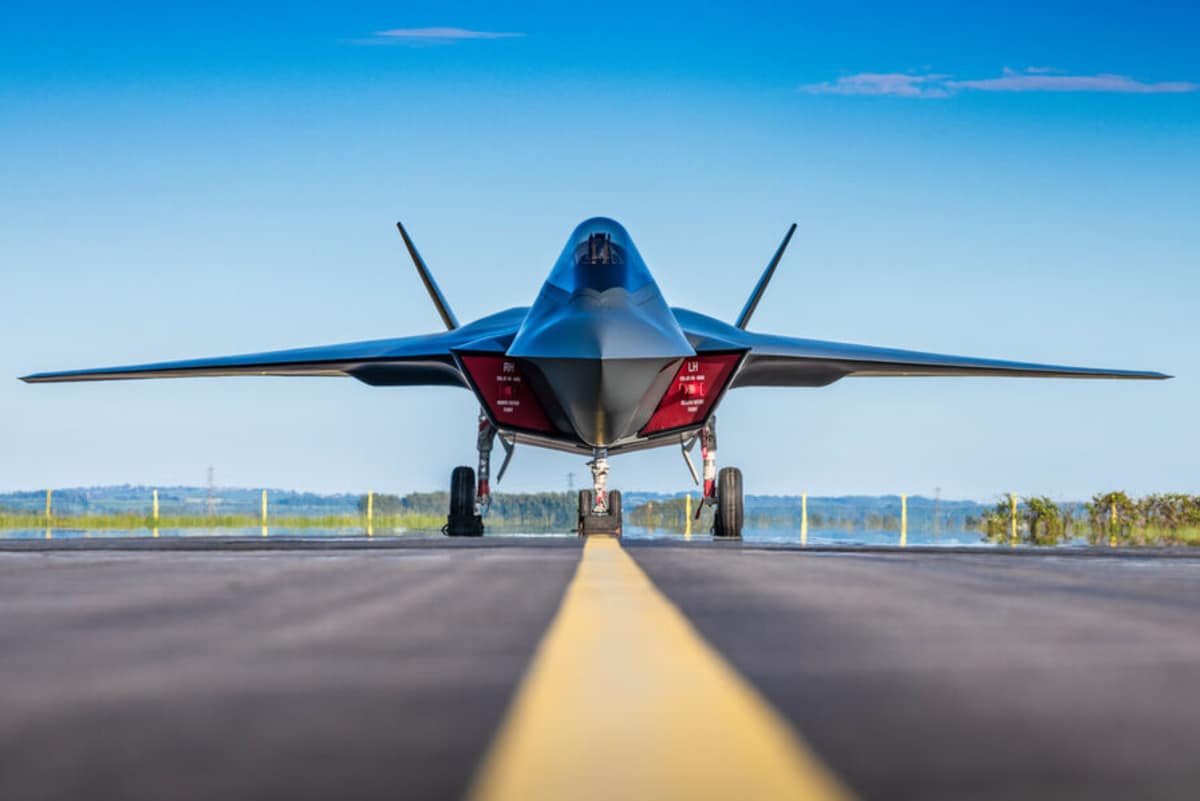
Unlike previous generations of fighter jets, which rely solely on human pilots, the GCAP aircraft will leverage AI to enhance pilot performance and decision-making. One proposed feature is an AI-assisted helmet display that can interpret the pilot’s brain signals and physiological data in real time.
This means:
- AI could analyze stress levels and suggest optimal combat maneuvers.
- The jet could automatically adjust controls based on pilot reactions.
- It could process vast amounts of battlefield data faster than a human ever could.
By blending human expertise with machine intelligence, the GCAP fighter will represent a paradigm shift in aerial combat, enabling split-second decisions that could mean the difference between victory and defeat.
Will GCAP Succeed Where Others Have Struggled?
The UK, Italy, and Japan are fully aware of the challenges ahead. Fighter jet development is notorious for budget overruns, technical delays, and shifting military priorities. However, GCAP aims to avoid the financial and logistical nightmares of past programs by:
- Sharing costs across multiple nations instead of relying on a single country’s defense budget.
- Using advanced manufacturing techniques to speed up production and lower costs.
- Leveraging AI and cybersecurity innovations to future-proof the aircraft.
While the risks remain high, the potential rewards are even greater. If successful, GCAP will not only deliver a next-generation fighter jet but also prove that international collaboration is the key to overcoming the complexities of modern military aviation.
With rising global tensions and increasing demand for advanced airpower, the stakes couldn’t be higher. The world will be watching to see if this trilateral partnership can achieve what so many others have failed to do: build the future of air combat without breaking the bank.