

In 2025, a series of seemingly ordinary photos of a young woman went viral across social media, sparking debates about the boundaries of AI-generated content. At first glance, the photos seemed to be proof that AI technology had reached a level where distinguishing between real and computer-generated images was practically impossible. But here’s the twist: the woman in the photos exists—she is real. However, the circumstances surrounding her image are far from what you might expect.
Amazon co-founder MacKenzie Scott has donated over $19 billion to charity in just five years
Diamond batteries powered by nuclear waste promise 28,000 years of clean energy
The “iPhone Photo” Trick: How AI Camouflaged Its Creation

When these photos started circulating, they were presented as a striking example of how AI-generated content could deceive even the most seasoned social media users. What made these pictures particularly convincing? The style. The photos were designed to look like everyday, candid shots—nothing too polished or artistic, just simple, slightly imperfect pictures that could have been snapped on a hike or in front of a charming old building. They were the type of images you’d see on anyone’s social media feed, captured with a phone and shared without much thought.
The key to their believability was the “iPhone photo” style. Anyone familiar with the grain, contrast, and color flaws in photos taken on smartphones—particularly iPhones—knows that these images have a unique, instantly recognizable look. This made the photos feel real, even though, upon closer inspection, they were too perfect to be random snapshots. For AI-generated content, this is the sweet spot: it’s much easier to replicate the familiar style of a smartphone photo than it is to simulate something more complex, like an award-winning landscape shot.
The Woman in the Photos Exists, But There’s a Catch

Now, here’s where things get interesting: while the woman in the photos is indeed real, the images themselves were not. They were not the product of popular AI tools like Midjourney, ChatGPT, or Grok, but rather the result of a more specialized AI tool called Flux. Flux is a generative AI model that can be run locally on a user’s computer, giving them a higher degree of control over the final outcome. The creator of these images used Flux in a particularly clever way—combining two models: one trained on generating the specific face of the woman and another focused on replicating the typical iPhone photo style. By blending these models together, the result was a set of photos so lifelike, they could easily fool anyone.
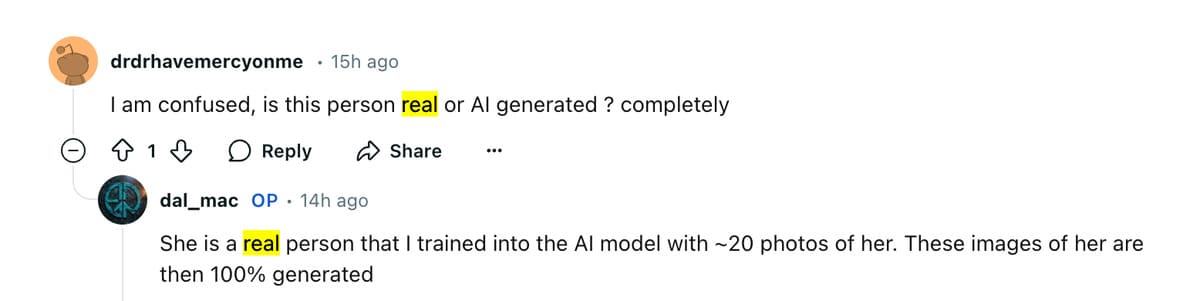
The secret behind the “coherence” of the woman’s face is that she actually exists. The face was not randomly generated; instead, it was modeled after real photos of a real woman. The face generation model was trained on 20 genuine images of the woman, allowing the AI to create consistent, realistic portraits. So, while the photos themselves are AI-generated, the woman they depict is a real person.
NASA warns China could slow Earth’s rotation with one simple move
This dog endured 27 hours of labor and gave birth to a record-breaking number of puppies
Testing AI-Generated Images on TV
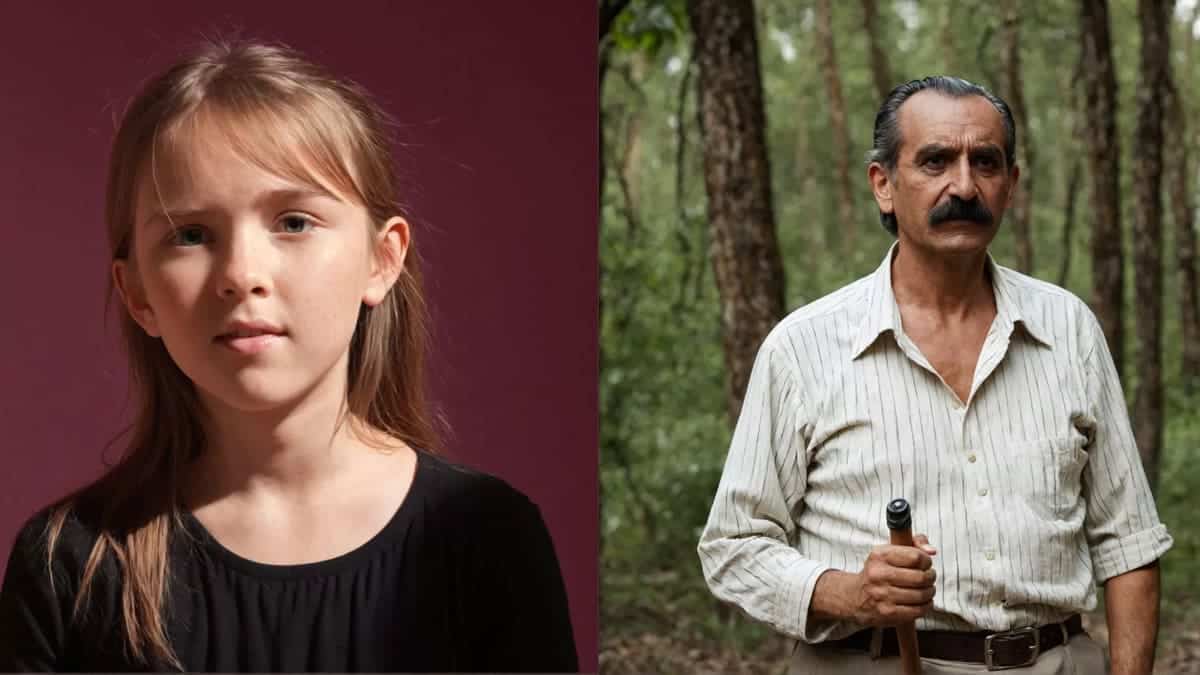
The debate over how realistic AI-generated images have become recently came up in an episode of the popular tech show Unlock on Numerama and Frandroid. In a segment, Robin, a videographer for Frandroid, challenged the audience to distinguish between real and AI-generated images. Some of the images were real, while others had been altered by an AI model running locally, changing between 40 and 60 percent of the original image. The results were astonishing—most viewers, including the experts on the show, couldn’t tell which was which. It was a game of deception, and the AI’s ability to blend seamlessly into real life left everyone in awe.
The challenge of detecting AI-generated images is becoming increasingly difficult, and this experiment was a testament to how far the technology has come. The woman in the photos that went viral is just one example of how AI can manipulate and recreate the real world, making it harder for even the most discerning eyes to spot the difference.
AI-generated content is no longer something out of science fiction—it’s here, and it’s incredibly realistic. This development is exciting, but it also raises important questions about authenticity and the ethics of image creation in our digital age. As technology continues to evolve, our ability to distinguish between the real and the artificial will be put to the test more than ever.