

Elon Musk is no stranger to ambitious projects that seem almost too bold to believe. From revolutionizing space travel with SpaceX to connecting remote regions with internet access via Starlink, Musk has continually pushed the boundaries of what’s possible. Now, he’s making headlines again with an unexpected and selfless promise — a life-saving service that he plans to offer the world completely free of charge.
Amazon co-founder MacKenzie Scott has donated over $19 billion to charity in just five years
Diamond batteries powered by nuclear waste promise 28,000 years of clean energy
Starlink’s Ambitious Mission
Musk’s Starlink project has already transformed the way people connect to the internet. By launching a network of low-Earth orbit satellites, Starlink has made reliable internet access available to tens of thousands of people, particularly in areas where traditional networks fail. This technology has been a crucial lifeline in disaster-stricken regions and even war zones, providing internet when it’s needed most.
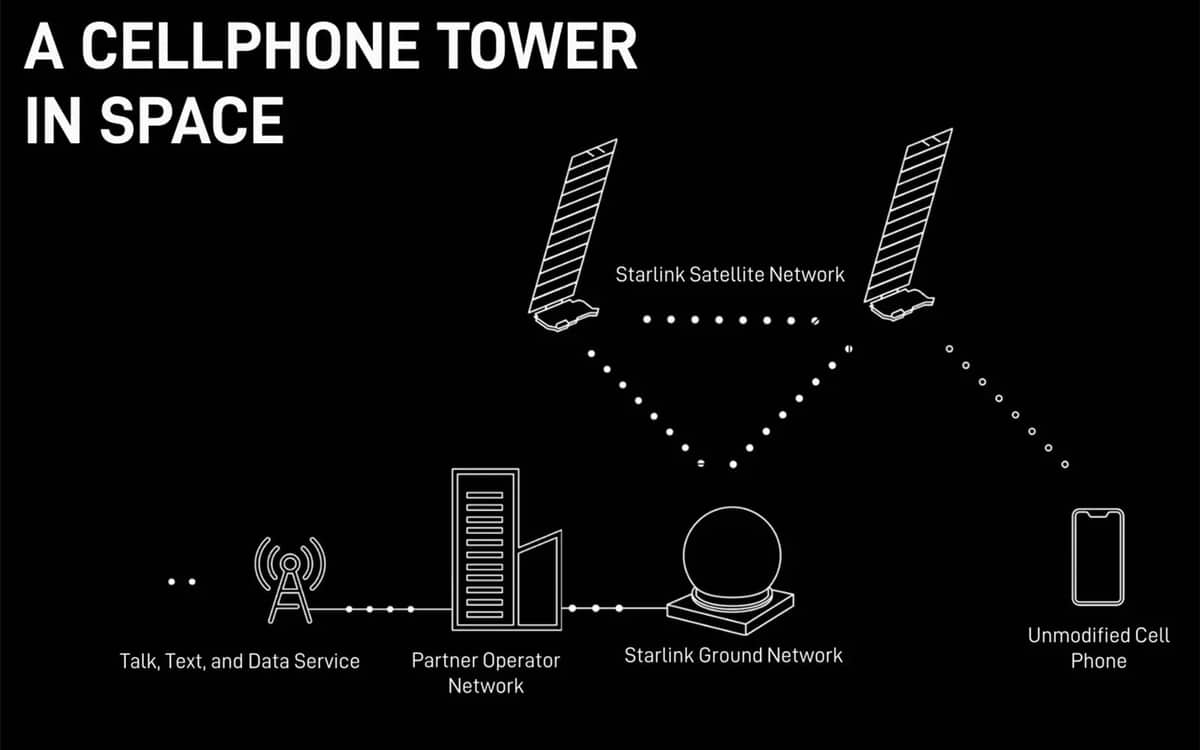
But Musk isn’t stopping there. With SpaceX continuing to launch new satellites into orbit, Starlink is developing a groundbreaking service called Starlink Direct-to-Cell. This new innovation will provide 4G connectivity via satellites, allowing anyone with a standard smartphone to access the network—no extra hardware required.
Free Emergency Calls for Everyone
While Starlink Direct-to-Cell is still being developed, Musk has already made a bold commitment to offer one feature to everyone, everywhere: free emergency calls. This means that, in even the most remote or isolated areas where traditional mobile networks fail, people in need will be able to reach emergency services without a subscription.
“After much thought, SpaceX Starlink will provide free access to emergency services for mobile phones,” Musk announced on X. “This applies worldwide, pending government approval. No one should ever die because they couldn’t pay or forgot their phone.”
This decision is a testament to Musk’s commitment to using technology for the greater good, even when it doesn’t bring immediate financial benefit to the company.
When Will It Be Available?
The rollout of Starlink Direct-to-Cell will take time. SpaceX plans to enable text messaging over the satellite network later this year, with voice calls expected by 2025. However, the timeline for the free emergency calls feature is still unclear, as the satellite infrastructure to support it is still in the process of being deployed.
NASA warns China could slow Earth’s rotation with one simple move
This dog endured 27 hours of labor and gave birth to a record-breaking number of puppies
Currently, Starlink internet plans cost around €40 per month, but Musk has not revealed how much the mobile network service will cost once it’s fully operational. Nevertheless, the promise of free emergency services is a significant step toward making satellite technology more accessible and beneficial for everyone.
A Potential Life-Saving Feature
Musk’s announcement shines a spotlight on the life-saving potential of satellite-based communication. In emergencies, where seconds matter, the ability to make a call from remote or disaster-affected areas could mean the difference between life and death.
This is a bold move, especially given the financial challenges SpaceX faces while expanding the Starlink network. Offering any service for free is a risk for a company that’s still solidifying its financial footing. Yet, Musk’s decision reflects his belief in using innovation to solve real-world challenges, particularly when it comes to global safety.
What’s Next for Starlink ?
As Starlink Direct-to-Cell develops, the world will closely watch how this new capability unfolds. While free emergency access is groundbreaking, the broader implications of satellite-based mobile networks could redefine how we think about connectivity.
For now, Musk’s decision to offer this service at no cost shows a willingness to prioritize humanitarian needs over profits. This approach could set a new standard for how technology companies address global challenges. Whether it’s a remote wilderness or a disaster zone with no traditional communication options, Starlink’s free emergency calls could be a lifeline for those in need.
In typical Elon Musk fashion, this announcement comes with both bold vision and high stakes. If successful, it won’t just be a technological milestone—it will be a gift to humanity.