
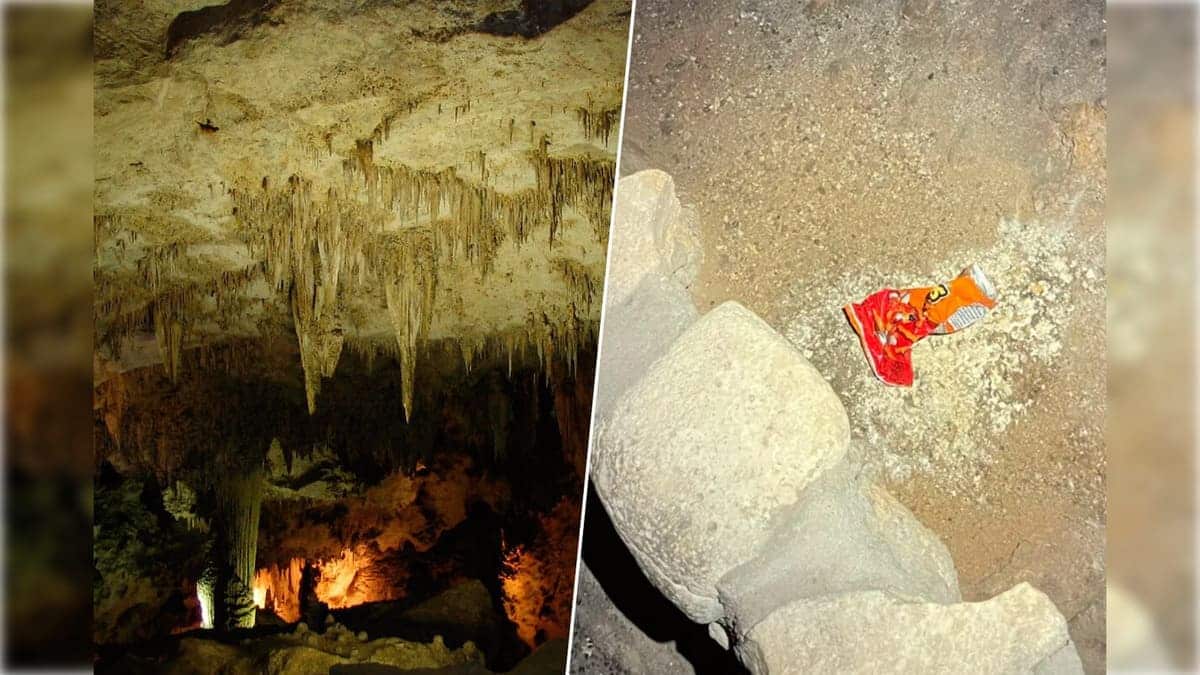
Imagine this: you’re hiking through a vast underground cave system, deep beneath the earth’s surface. The air is damp, cool, and filled with mystery. You take in the beauty of the shimmering stalactites hanging from the ceiling and the massive rock formations that have been carved by water over millions of years. But then, amid this untouched beauty, a small, seemingly innocent item—a bag of chips—is left behind, and what follows is anything but expected.
Amazon co-founder MacKenzie Scott has donated over $19 billion to charity in just five years
Diamond batteries powered by nuclear waste promise 28,000 years of clean energy
This isn’t a scene from a nature documentary, but rather an incident at Carlsbad Caverns National Park in New Mexico, where the presence of a forgotten snack triggered a surprising chain of events that shocked scientists and conservationists alike.
The Importance of Carlsbad Caverns
Located in the rugged desert of southern New Mexico, Carlsbad Caverns is one of the most remarkable and scientifically significant cave systems in the world. It consists of over 119 underground chambers, including the renowned “Big Room“—the largest underground chamber in North America. These caverns, formed over millions of years by the erosion of limestone from acidic water, are home to stunning natural wonders like towering stalactites, flowstone formations, and dramatic rock pillars.
Designated as a UNESCO World Heritage site, Carlsbad Caverns draws thousands of tourists each year who come to marvel at its geological beauty. But despite its allure, the cave ecosystem is fragile, and it only takes a small disturbance to upset its delicate balance. A seemingly innocent mistake—a tourist leaving behind a bag of chips—demonstrated just how quickly things can go awry in such an environment.

A Bomb for the Ecosystem
What may have seemed like an inconsequential oversight—a packet of Cheetos left behind in the Big Room—ended up having a significant impact on the cave’s ecosystem. According to the National Park Service (NPS), the moist, cool conditions of the cave created an ideal environment for the chips to break down. As they decomposed, they became a breeding ground for microbial life and fungi, which quickly began to spread. The decomposing chips attracted cave insects, including crickets, mites, and even spiders, which began to feed on the rotting snack.
This temporary food chain sparked a ripple effect throughout the cave, with fungi growing on nearby surfaces, spreading their spores and producing unpleasant odors. What was initially a tiny, inconspicuous snack began altering the cave’s environment in ways no one had anticipated. The microorganisms and fungi that were thriving off the chips disrupted the delicate balance that has existed for centuries in this remote ecosystem.

A Much Bigger Problem
At first glance, it might seem laughable: a single packet of chips, left behind by a distracted tourist, causing an ecological catastrophe in one of the largest and most pristine cave systems in the world. But, as the park’s rangers emphasized, the repercussions were serious. The incident serves as a stark reminder of the broader environmental issue of waste left in natural habitats.
NASA warns China could slow Earth’s rotation with one simple move
This dog endured 27 hours of labor and gave birth to a record-breaking number of puppies
The NPS pointed out, “On a human scale, a forgotten snack might seem trivial, but for the life of the cave, it can change the world.” It’s a point that echoes louder as we think about our everyday impact on natural spaces, especially ones as fragile and sensitive as caves. The mess left behind required a rigorous cleanup process, with park rangers painstakingly removing all remnants of the decomposing snack to prevent any lasting effects on the ecosystem. It was a reminder that even the smallest human presence can leave a lasting mark on our environment.
The Widespread Problem of Waste in National Parks
This incident is part of a much larger issue that plagues the U.S. National Parks. Every year, more than 300 million people visit national parks across the country, leaving behind a staggering 70 million tons of waste. Whether it’s plastic bottles, snack wrappers, or other non-biodegradable items, the impact on these pristine environments is undeniable.
In Carlsbad Caverns, the stakes are even higher because of the cave’s unique ecosystem. Unlike the surface world, caves are enclosed environments that are much more sensitive to external disturbances. The balance is easily tipped, and the consequences of human interference can be severe and long-lasting. This should be a wake-up call not only for those visiting Carlsbad but for anyone visiting protected natural spaces.
The Lascaux Cave Incident: A Cautionary Tale
This isn’t the first time that human activity has had a profound impact on a cave environment. A famous example comes from Lascaux Cave in France, home to some of the most famous prehistoric paintings in the world, dating back nearly 17,000 years. After being opened to the public in 1948, the cave experienced significant damage. The carbon dioxide exhaled by visitors, combined with the humidity and temperature changes caused by the foot traffic, began to affect the delicate paintings, causing the growth of fungi and algae. The damage was so severe that, in 1963, authorities closed the cave to the public in order to preserve its historical value.
Today, only a limited number of scientists and conservationists have access to Lascaux, while a replica cave, Lascaux II, was created for public viewing. This cautionary tale is a reminder that, just like the Carlsbad Caverns, some places are simply too fragile to handle the heavy foot traffic that comes with mass tourism.
Protecting Our Natural Heritage
The lesson here is clear: when we visit these awe-inspiring natural sites, we must be mindful of our actions. A simple oversight—like leaving behind a packet of chips—may seem harmless, but its consequences can be far-reaching. The ecosystems of caves and other sensitive environments are incredibly fragile and deserve our respect and protection.
We could take a page from the story of Lascaux and Carlsbad Caverns and consider implementing stricter measures to preserve the integrity of these natural wonders. Perhaps we need to think about limiting public access to the most sensitive locations, or, at the very least, raising awareness about the importance of responsible tourism. Only by doing so can we ensure that these treasures remain intact for future generations to admire, learn from, and enjoy.