
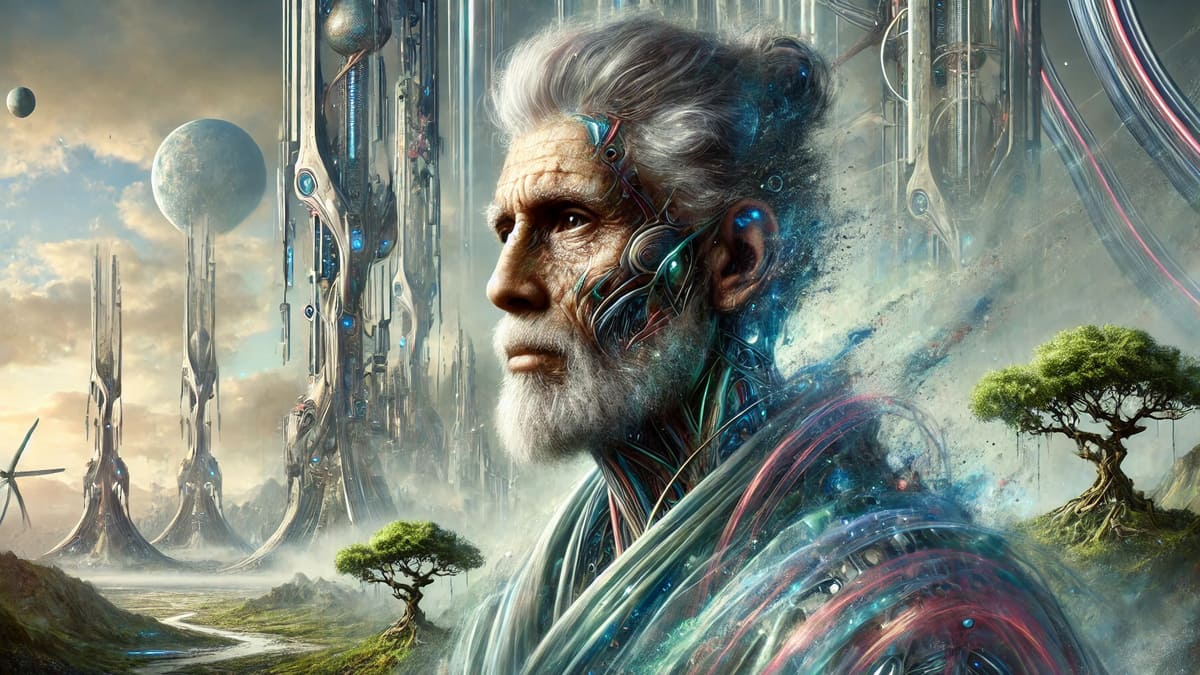
For as long as humans have dreamt of immortality, the idea of living forever has largely been the domain of science fiction. Yet, some researchers are daring to believe that this fantastical idea could someday become a reality. Joao Pedro de Magalhaes, a molecular biogerontologist from the University of Birmingham, argues that humanity could one day achieve lifespans of 1,000 years or more. But there’s a catch: this lofty goal hinges on a single, monumental scientific breakthrough—solving the mystery of aging.
Amazon co-founder MacKenzie Scott has donated over $19 billion to charity in just five years
Diamond batteries powered by nuclear waste promise 28,000 years of clean energy
Aging: A Mystery Waiting to Be Cracked
The aging process might feel inevitable, but for de Magalhaes, it’s simply a puzzle waiting to be solved. His research focuses on understanding the genetic and cellular mechanisms that drive aging. Drawing inspiration from nature’s most long-lived creatures, such as the Greenland whale and the naked mole rat, which have unique abilities to repair DNA and resist age-related diseases, de Magalhaes believes these animals could hold the key to unlocking human longevity.
“Aging is programmed into our DNA,” explains de Magalhaes. “If we can understand and manipulate the genetic processes that control it, we could potentially halt—or even reverse—aging altogether.” Essentially, the goal is to develop methods for repairing damaged DNA and reprogramming cells to function as they did in youth. In essence, it’s about harnessing the natural defenses some animals have evolved to delay aging.
One of the main players in this research is the p53 gene, found in humans on chromosome 17. Known as the “tumor suppressor,” this gene regulates cell growth and plays a key role in repairing damaged DNA. Unfortunately, it’s inactive in nearly half of all cancers, which dramatically impacts lifespan. Unlocking the full potential of the p53 gene could pave the way for profound changes in the way we understand aging and longevity.
Lessons From Modern Medicine: Fighting Aging Like Disease
De Magalhaes compares the fight against aging to the remarkable progress made in medicine over the past century. “My great-grandfather died of pneumonia, which was one of the leading causes of death in the 1920s,” he recalls. “Today, a simple dose of penicillin could have saved his life. I believe we can achieve something similar with aging.”
While the idea of eternal youth may still be a distant dream, de Magalhaes points to promising developments in longevity research that are already underway. For example, a compound called rapamycin, which has been shown to extend the lifespan of some mammals by 10-15%, is already being used in humans to prevent organ rejection during transplants. In the future, it’s possible that drugs like these could be fine-tuned to directly combat the aging process.
“I’m optimistic that we can develop medications that slow aging,” says de Magalhaes. “Think of them like statins, which many people take daily to reduce the risk of heart disease. If we could slow human aging by even 5% or 10%, the impact would be huge.”
Could Humans Really Live for 1,000 Years?
The idea of humans living for a thousand years may seem outlandish, but de Magalhaes believes it’s not entirely out of reach—just not anytime soon. With advances in genetics and cellular biology, researchers are laying the groundwork for breakthroughs that could happen centuries from now.
NASA warns China could slow Earth’s rotation with one simple move
This dog endured 27 hours of labor and gave birth to a record-breaking number of puppies
For now, scientists are exploring ways to replicate the natural mechanisms found in long-lived species and apply them to human biology. The goal is not just to extend life, but to extend it in a way that ensures healthy, active aging, rather than simply elongating the number of years we live in poor health.
Why This Research Matters Today
Even if a 1,000-year lifespan remains a distant dream, the research being conducted by scientists like de Magalhaes is having a profound impact on how we approach health and aging today. Imagine a world where chronic diseases like cancer, Alzheimer’s, and heart disease are delayed—or even eliminated—by targeting the root causes of aging itself. The potential for improving overall health could be life-changing for billions of people.
For now, the quest to unlock the secrets of human longevity is far from a fantasy. It’s a rapidly growing field of science, driven by the belief that aging is not an immutable fate but a biological process that can be controlled. Whether a breakthrough happens in decades or centuries, one thing is clear: the dream of living longer, healthier lives is closer than ever before.