
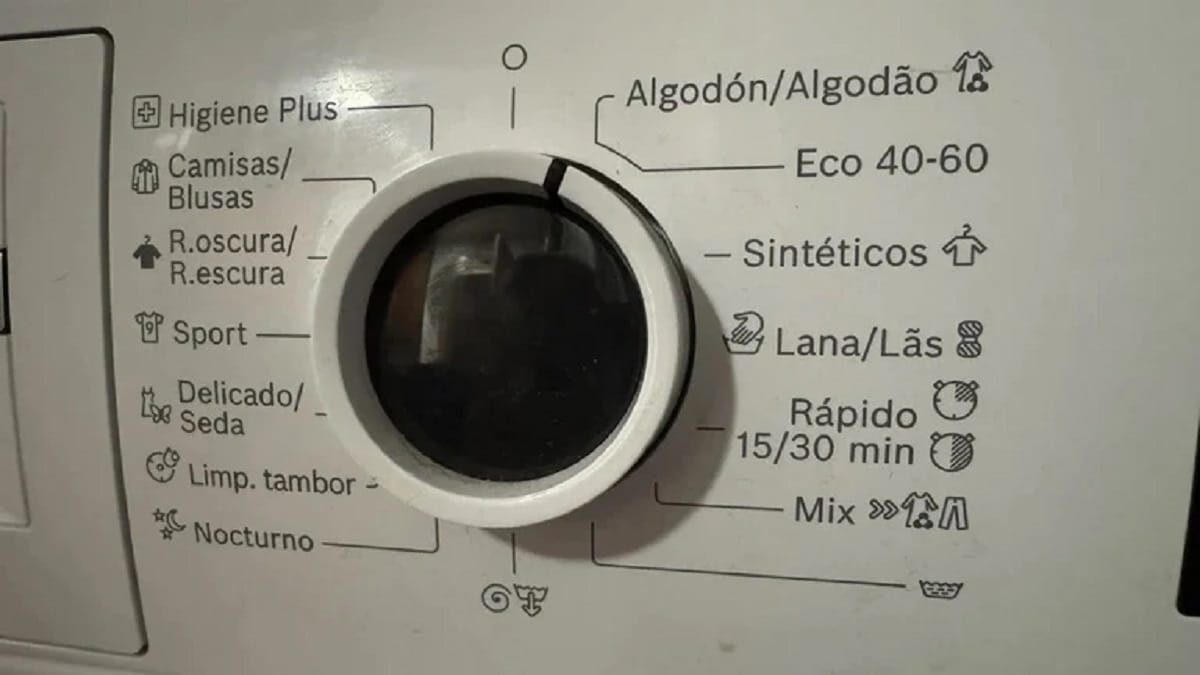
Washing machines are a staple in almost every home, tirelessly handling the endless piles of laundry that accumulate over time. Despite their constant presence, many of us often overlook some of their most important features. That was certainly the case for me—until a conversation with a knowledgeable technician opened my eyes to a crucial aspect of my laundry routine.
Amazon co-founder MacKenzie Scott has donated over $19 billion to charity in just five years
Diamond batteries powered by nuclear waste promise 28,000 years of clean energy
Almost No One Knows How to Use Their Washing Machines Properly
For years, my washing machine had been working hard for my household, including keeping up with the laundry of my energetic dog, who sheds more than I thought was possible. Like many people, I mainly relied on the automatic settings, choosing low temperatures between 30 and 40 degrees Celsius. It seemed simple enough: if there were no tough stains, why raise the heat? As a tech journalist, I had often spoken to appliance manufacturers and discovered that most people, myself included, only used a couple of the available wash cycles.
However, during a routine visit from a technician, I learned that I had been making a significant mistake in my washing habits—something I had overlooked for years.
The Hidden Importance of High Temperatures
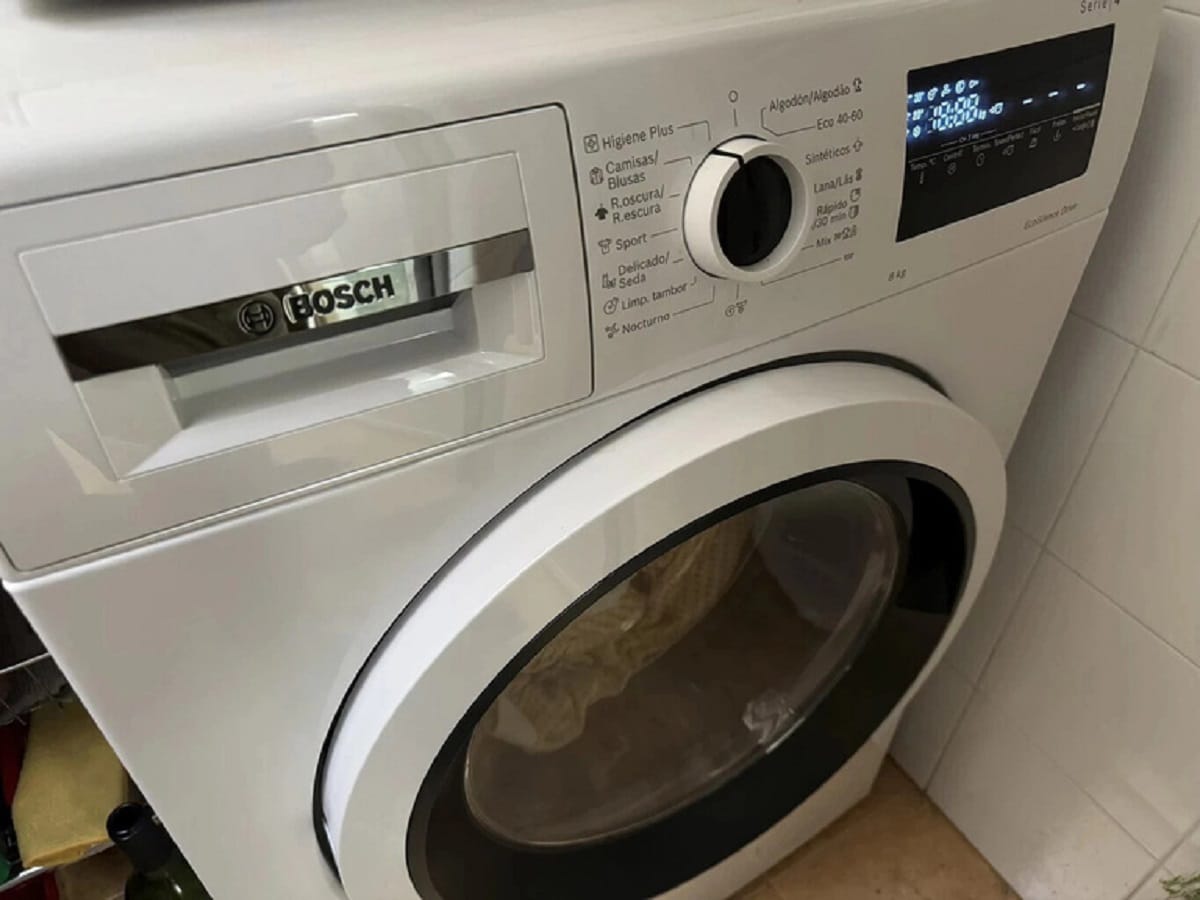
The technician pointed out that using low-temperature cycles consistently could have a negative impact, not just on the cleanliness of clothes, but also on the washing machine itself. Without periodic high-temperature washes, detergent residues, fabric softeners, and dirt accumulate in the drum, compromising the machine’s performance over time.
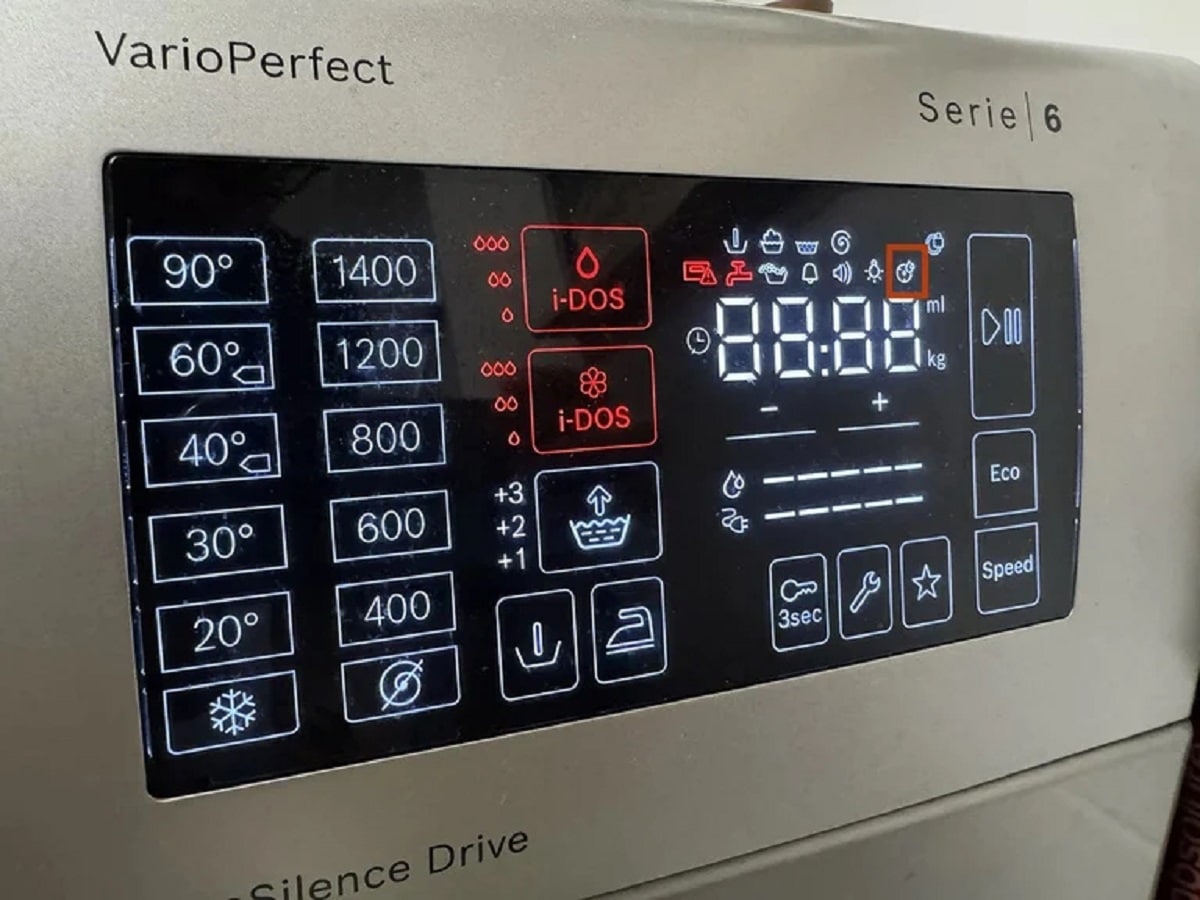
I had always assumed that washing at higher temperatures would damage delicate fabrics. I reserved hot washes for tough stains like grease or mud, but I learned that this approach wasn’t ideal. The technician explained that washing solely at low temperatures doesn’t kill all germs and bacteria. High-temperature cycles—typically 60 or 90 degrees Celsius—are much more effective at sanitizing fabrics. These are especially important for items like bedding, towels, and any clothing used by someone who’s ill.
The Role of High Temperatures in Hygiene and Maintenance
Using hot water isn’t just about getting cleaner clothes; it’s also about maintaining the washing machine itself. The heat helps dissolve and flush out the residues that can build up inside the drum, keeping the machine in top condition. According to the American Cleaning Institute, regularly running proper washing cycles can extend the lifespan of your appliance and help it run more efficiently.
NASA warns China could slow Earth’s rotation with one simple move
This dog endured 27 hours of labor and gave birth to a record-breaking number of puppies
The technician also recommended using the dedicated drum cleaning program, a feature I had never really paid attention to. This cycle is specifically designed to prevent the buildup of grime inside the machine. Interestingly, my washing machine even prompted me to run this cycle before each wash, but I had consistently ignored the reminder.
Balancing Energy Consumption and Efficiency
One concern I had was energy consumption. It’s often believed that high-temperature washes are a major energy drain, and like many, I chose cooler cycles to keep my electricity bills in check. The technician, however, explained that modern washing machines are designed to be energy-efficient, even at higher temperatures.
According to the Energy Saving Trust, washing at 60 degrees does use more energy, but the increase is relatively modest if done occasionally. Additionally, using higher temperatures when needed can actually reduce the frequency of required drum cleaning cycles, which can help balance energy consumption more effectively.
A Simple Change for Better Results
Taking the technician’s advice to heart, I began incorporating higher-temperature washes into my regular routine. The results were noticeable almost immediately. Not only did my clothes feel cleaner, but they also seemed to last longer, with fewer stains setting in permanently. Moreover, using the drum cleaning cycle as recommended kept my washing machine running smoothly, free from unpleasant odors and visible buildup.
Conclusion : Embracing All Features for Optimal Use
This experience reminded me how easy it is to overlook the full potential of the appliances we use daily. By paying more attention to the features and settings that manufacturers design for us, we can improve both the longevity of our machines and the quality of our laundry.
If you rely on your washing machine as much as I do, I highly recommend exploring all the available settings and understanding their benefits. Whether you’re a tech enthusiast or just someone who wants to keep clothes fresh and clean, using the full range of your washing machine’s capabilities can lead to better hygiene, longer-lasting garments, and a more efficient appliance overall.
Next time your washing machine prompts you to run a specific cycle, don’t ignore it. Embrace the technology at your fingertips, and enjoy the benefits of a well-maintained and effectively used appliance. A small change can make a big difference in keeping both your laundry and your machine in top shape.