
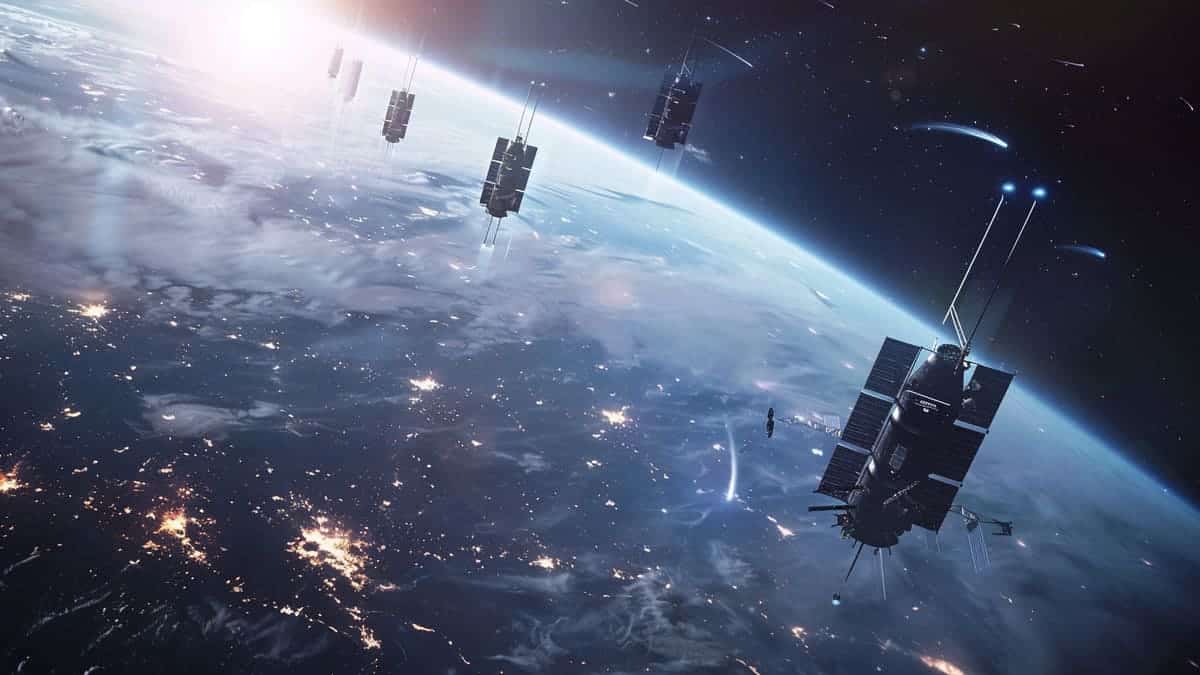
In a world where even elevators and basements seem to have Wi-Fi, it’s easy to forget just how many places on Earth still lack reliable mobile service. But Elon Musk’s Starlink is about to change that—again. This time, it’s not about satellite internet beaming into remote villages. It’s about your everyday smartphone—yes, the one in your pocket—connecting to space to send a message or make a call from virtually anywhere.
Amazon co-founder MacKenzie Scott has donated over $19 billion to charity in just five years
Diamond batteries powered by nuclear waste promise 28,000 years of clean energy
What Is Starlink’s Direct-to-Cell, and Why Does It Matter?
Starlink, the satellite network developed by SpaceX, is expanding its scope in a big way. The latest leap is called Direct-to-Cell, a new service that will allow regular smartphones to link directly to Starlink’s satellites in orbit—no extra antennas, dongles, or specialized gear required. If your device supports LTE (which most modern phones do), you’re already equipped.
Let that sink in: whether you’re hiking in the Andes, fishing in the Arctic, or just stuck with poor reception in the countryside, you’ll be able to make a call or send a text without needing to hunt for a signal tower. It’s like giving your phone superpowers, backed by a constellation of satellites zipping above the Earth.
Is Your Phone Compatible?
Here’s the best part—you don’t need a new phone. According to documents filed with the U.S. Federal Communications Commission (FCC), SpaceX successfully tested this feature with popular devices from Apple, Samsung, and Google. Even phones like the iPhone 13 or earlier-generation Androids worked seamlessly in trials, whether in cities, forests, or wide-open fields.
The technology relies on existing LTE bands (specifically the PCS G Block), so as long as your phone runs on 4G LTE, you’re good to go. This means millions of people could benefit from global connectivity without ever upgrading their hardware—a rare promise in a world where planned obsolescence often rules.
More Than Just Texts: A Lifeline in Emergencies
Beyond convenience, Starlink’s approach could be a game-changer in emergencies. Unlike many traditional satellite messaging systems, which only support basic pre-written responses, Direct-to-Cell enables full messaging capability through your existing apps. That means if you’re lost in the wilderness, you can send a detailed SOS—including your location and medical condition—without being limited to generic distress codes.
It’s a powerful step forward for adventure travelers, rescue teams, and people in disaster-prone regions. And let’s be honest—how many times have you found yourself on a camping trip or road through the mountains with “No Service” blinking at you mockingly?
NASA warns China could slow Earth’s rotation with one simple move
This dog endured 27 hours of labor and gave birth to a record-breaking number of puppies
When Will It Launch—and What’s Coming Next?
While Starlink hasn’t confirmed a launch date yet, its roadmap is clear: voice calling, full messaging, and eventually web browsing, all through satellites. Pricing hasn’t been revealed, but it’s expected to roll out commercially, likely as an add-on to existing Starlink or mobile provider plans.
Longer-term, SpaceX is also aiming to connect IoT devices, which could revolutionize logistics, agriculture, and remote monitoring. Whether you’re a small farm tracking soil conditions or a shipping company monitoring cargo at sea, the possibilities are wide open.
Closing the Coverage Gap—For Real This Time
Let’s be clear: for many urban users streaming video in 5G, satellite connectivity might not sound life-changing. But for the billions of people living in areas with patchy mobile coverage, or none at all, it’s a lifeline. And even for those in well-connected places, having a satellite backup during natural disasters or network outages could make all the difference.
This isn’t just about tech for tech’s sake—it’s about bridging real communication gaps that still exist in 2025. With Direct-to-Cell, Starlink is nudging us toward a future where coverage isn’t determined by proximity to a tower, but by the sky itself.