
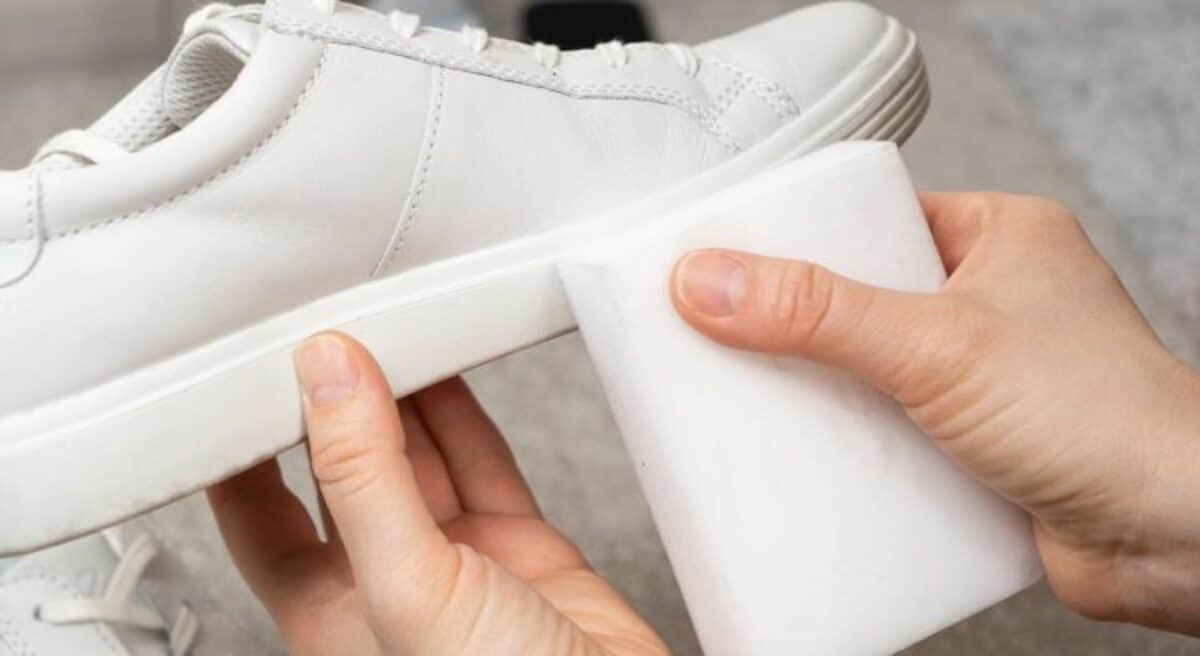
For many people, magic sponges are the ultimate cleaning hack—simple, efficient, and effective. They have become a go-to tool for tackling stubborn stains with minimal effort. But recent findings from scientists have cast a shadow over their popularity, raising concerns not just for our health, but also for the environment. Experts are now calling for an immediate ban on these household staples, and here’s why.
Amazon co-founder MacKenzie Scott has donated over $19 billion to charity in just five years
Diamond batteries powered by nuclear waste promise 28,000 years of clean energy
Scientists Investigate the Dangers of Magic Sponges
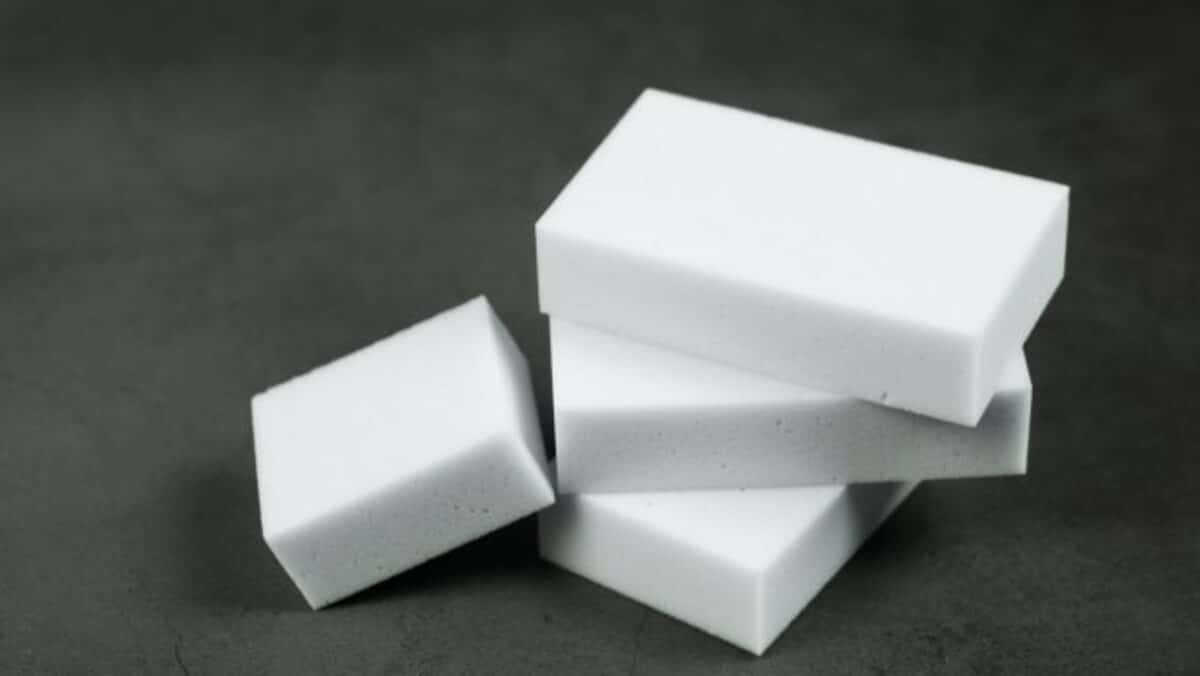
Magic sponges, also known as melamine foam sponges, are praised for their ability to scrub away dirt, grease, and grime with ease. These sponges are made from a material called Basotect, a type of melamine foam used in soundproofing. Over the years, they’ve gained widespread popularity for their almost magical cleaning powers. However, scientists from Nanjing University in China have uncovered some troubling issues with these seemingly harmless sponges. Their findings, published in the journal Environmental Science & Technology (2023), suggest that these sponges may pose significant risks to both human health and the environment¹.
The main concern lies in the microplastics released when the sponges are used. As the sponge breaks down with use, tiny particles of melamine foam are shed. These microscopic residues are small enough to escape filtration systems at sewage treatment plants, ultimately finding their way into natural ecosystems. This means that, even though magic sponges are incredibly effective at cleaning, they are also silently contributing to the growing problem of microplastic pollution².
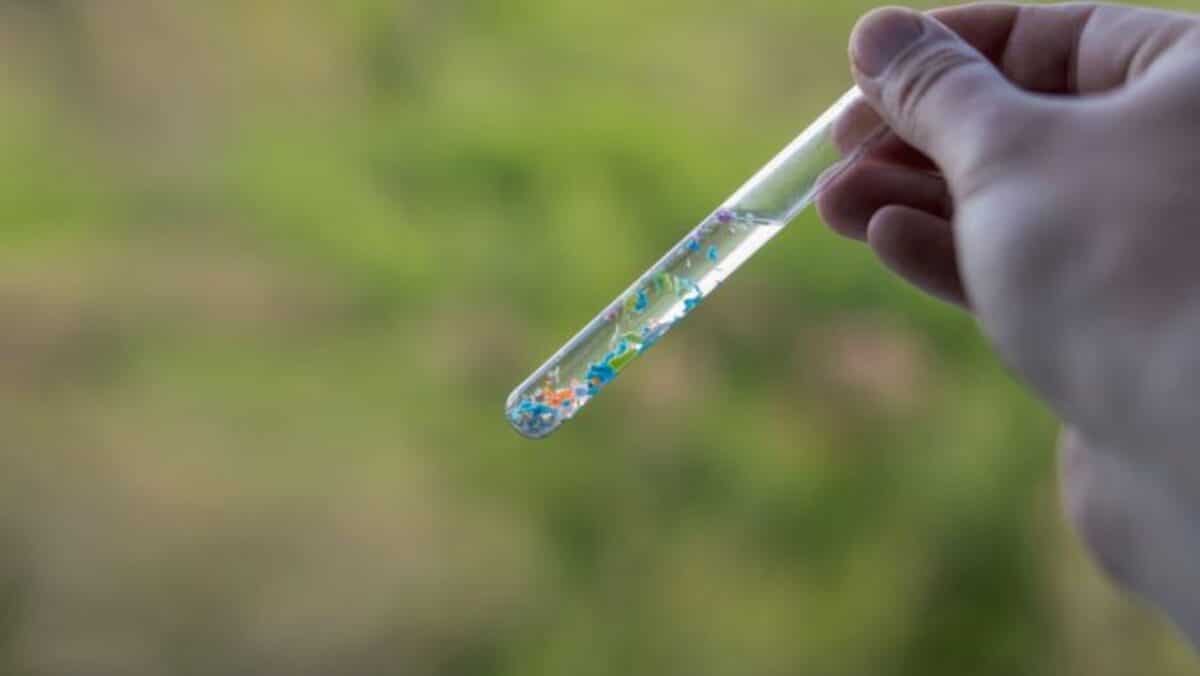
The Residue from Magic Sponges Ends Up on Our Plates
Once these microplastic particles are released into the environment, they don’t just vanish. They travel through water systems, eventually contaminating rivers, lakes, and oceans. This presents a serious threat to marine life, as these tiny particles are ingested by fish and other aquatic creatures. What’s particularly alarming is that these microplastics then make their way up the food chain, and in some cases, end up on our plates³.
The danger doesn’t stop there. These microplastics often contain harmful chemicals, including toxic metals, which are used in the manufacturing process. Studies have shown that these chemicals can disrupt hormones and have serious developmental consequences for fetuses during pregnancy. This poses a growing concern for human health, as we unknowingly consume the very pollutants that have been leaching into our environment.
The Price We Pay for Using Magic Sponges
Although magic sponges are cheap, typically costing only a few dollars, the long-term environmental and health consequences they carry are anything but inexpensive. The increasing presence of microplastics in our ecosystems is a significant issue that requires urgent attention. According to a report by the United Nations Environment Programme (UNEP), these pollutants pose serious risks to both the environment and public health, particularly affecting women and unborn children⁴.
NASA warns China could slow Earth’s rotation with one simple move
This dog endured 27 hours of labor and gave birth to a record-breaking number of puppies
While the sponges themselves may seem like a quick and affordable fix for cleaning, the lasting impact they have on our planet—and on our bodies—far outweighs their initial cost. The more we rely on these sponges for everyday cleaning, the more we are contributing to a cycle of environmental damage and health risks.
Conclusion: Time to Rethink Household Cleaning
The findings from Nanjing University have opened our eyes to the hidden dangers of magic sponges, and it’s clear that their negative impact goes beyond a simple cleaning tool. Once thought of as a household miracle, these sponges now pose significant health and environmental risks. From microplastic pollution to the chemicals they contain, it’s becoming evident that the costs of using these sponges are far higher than we originally imagined.
As experts continue to warn about the dangers of microplastics, it’s time for us to rethink how we approach household cleaning. There are plenty of alternatives that don’t carry the same risks, and it’s up to us to make more sustainable choices. The next time you reach for that magic sponge, consider the bigger picture—it may be time to look for a cleaner solution that doesn’t come with such a high cost.
Footnotes:
-
Nanjing University research on melamine foam and microplastic pollution. https://pubs.acs.org/doi/abs/10.1021/acs.est.4c00846
-
Microplastics pollution and environmental impact. https://www.sciencedirect.com/science/article/abs/pii/S0045653523011955
-
Microplastics entering the food chain. https://www.plasticsoupfoundation.org/blog/plastic-food-chain
-
UNEP report on microplastics and health risks. https://www.unep.org/news-and-stories/story/microplastics-long-legacy-left-behind-plastic-pollution