
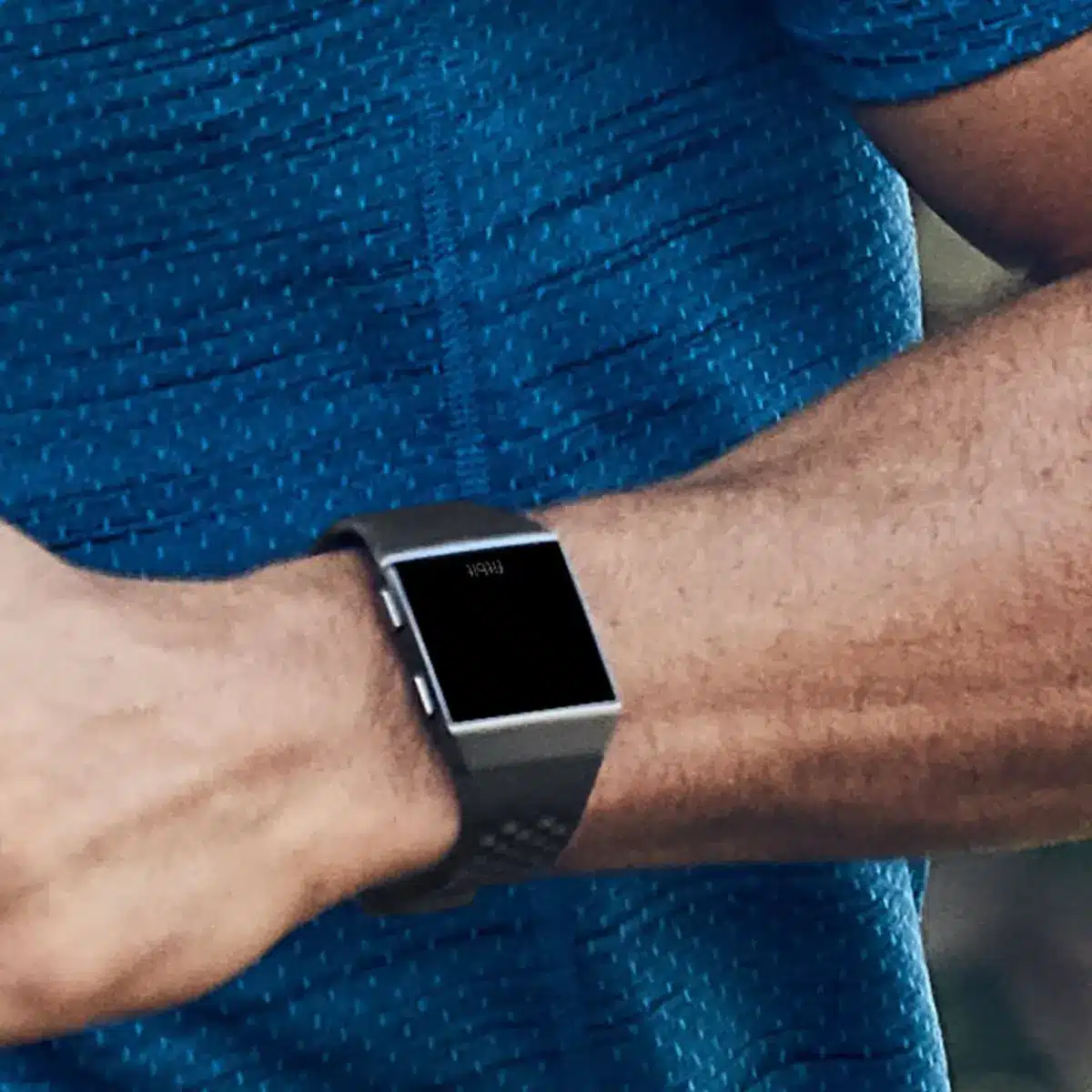
Fitbit, now owned by Google, has recently agreed to a $12.25 million penalty for failing to quickly report a defect in their Ionic watches. This flaw, associated with battery overheating, led to severe burns in several users.
Amazon co-founder MacKenzie Scott has donated over $19 billion to charity in just five years
Diamond batteries powered by nuclear waste promise 28,000 years of clean energy
A Problem Traced Back to 2018
To get a full picture, we need to look back to 2018. That year, Fitbit began receiving incident reports that its Ionic watches were overheating. These incidents, linked to battery issues, resulted in a total of 78 burn injuries, including two third-degree burns and four second-degree burns.
Despite these warnings, Fitbit did not promptly inform the Consumer Product Safety Commission (CPSC), breaching U.S. product safety regulations. The company attempted to address the issue in 2020 with a software update aimed at reducing overheating risks, but reports of incidents persisted. It wasn’t until March 2022 that Ionic watches were officially recalled.
The CPSC criticized Fitbit for not proactively reporting this defect. Fitbit knowingly failed to immediately report to the CPSC that its Ionic smartwatches posed a substantial hazard and an unreasonable risk of serious injury or death to consumers
. This $12.25 million fine concludes the legal proceedings and serves as a reminder to tech companies of their responsibilities in product safety.
Ongoing Challenges for Fitbit
Even beyond this case, Fitbit continues to face similar issues with other models. On January 21, 2025, Google rolled out a firmware update for its Sense and Versa 3 watches to reduce the risk of overheating. Although the company assures that not all devices are affected, these incidents have tarnished Fitbit’s reputation and raised questions about its quality control processes.
This case highlights the importance of promptly reporting safety defects and taking corrective actions to protect consumers. With the growing prevalence of connected products, vigilance regarding their usage risks becomes crucial, especially as millions of users rely on these technologies daily.