
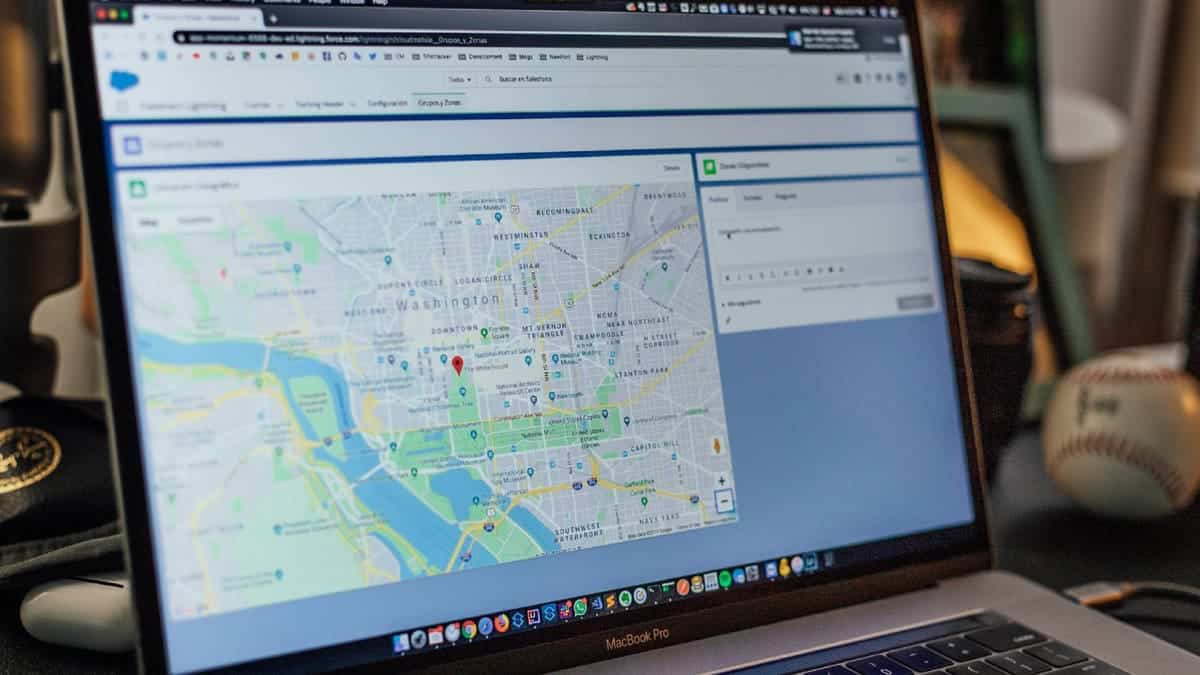
For years, Google Maps has been the go-to tool for finding directions, checking traffic, and exploring new places—all seamlessly integrated right into your search results. But if you’ve recently noticed its disappearance from the corner of your screen, you’re not imagining things. In response to new European Union rules, Google has removed its navigation features from search results, marking a significant change in how we access mapping services.
Amazon co-founder MacKenzie Scott has donated over $19 billion to charity in just five years
Diamond batteries powered by nuclear waste promise 28,000 years of clean energy
The Digital Markets Act Shakes Up the Tech Landscape
The catalyst for this shift is the Digital Markets Act (DMA), a bold EU regulation designed to curb the dominance of major tech companies and create a more competitive digital market. The DMA aims to give users more choice and control over digital services by breaking down the tightly knit ecosystems that companies like Google have built over the years. For instance, Google’s integration of services such as Maps, Calendar, and Docs directly into its search engine has long been criticized for limiting competition. Now, under the DMA, the tech giant must decouple these services, starting with Maps.
Google Maps Disappears from Search Results
Anyone who has used Google for directions might have noticed something amiss. Previously, a search for a location would display a handy Maps preview—a snapshot complete with navigation links and traffic updates. But that feature has now vanished for users in the EU. The familiar Maps tab, which once sat alongside Images and News, is no longer visible. This change means that getting directions now requires an extra step: heading over to the standalone Google Maps website or opening the dedicated app. As someone who frequently relies on this quick-access feature, I can attest that even a small extra click can disrupt the flow of a busy day.
Balancing Convenience and Fair Competition
The removal of integrated navigation features stems from the EU’s concerns about unfair competition. Google has long held a dominant position in the search engine market, and its strategy of embedding its services within search results effectively keeps users within its ecosystem. While this integration has undoubtedly provided convenience—allowing users to plan routes, check conditions, and discover local businesses without leaving the search page—it has also made it difficult for competitors like HERE WeGo or OpenStreetMap to attract new users. The DMA is a deliberate attempt to level the playing field, even if it means sacrificing some of that convenience we’ve all come to expect.
What’s Next for Google and Its Competitors?
This is just one chapter in a broader regulatory effort reshaping the tech world in Europe. Similar mandates are influencing other tech giants, urging them to open up their platforms and foster a more competitive environment. For Google, the challenge now is to balance regulatory compliance with maintaining a user-friendly experience. Meanwhile, competitors in the mapping space might see this as an opportunity to gain traction. Imagine finally having a solid alternative to rely on—a move that could spur innovation and better services across the board.
A New Digital Landscape?
The EU’s actions are part of a wider movement to dismantle the monopoly-like control exercised by a few dominant players in the tech industry. For everyday users, this might mean a slight inconvenience now as we adapt to a new way of accessing our favorite tools. But in the long run, a more open and diverse digital ecosystem could drive innovation, offering us more choices and, ultimately, better services.
In my own experience, adapting to changes in digital tools is part of the evolving tech landscape we all navigate. While I miss the old seamless integration of Google Maps within search, I’m also intrigued by the possibilities that a more competitive environment might bring. As organizations like the European Commission and various industry analysts have noted, the future of digital services lies in a balance between convenience and fairness—an ideal that promises to benefit us all in the end.