
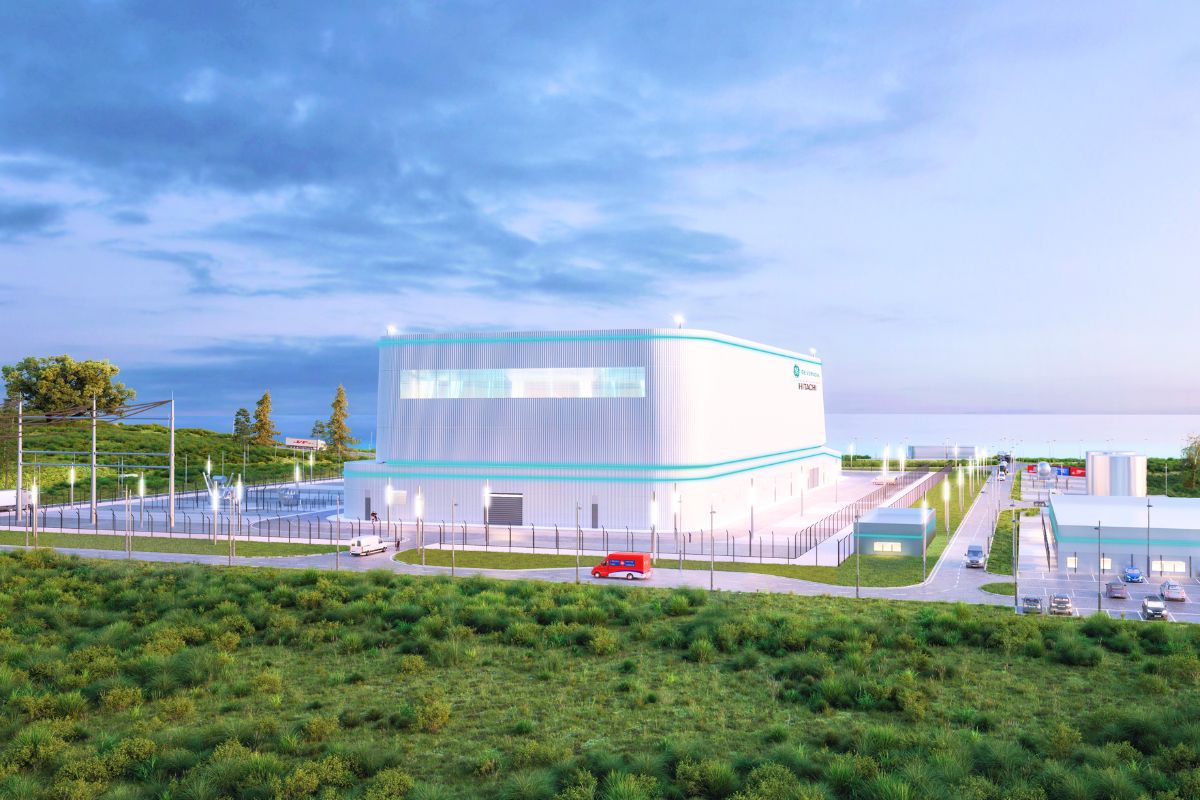
In the heart of Ontario, construction is underway for a project that could reshape the future of energy. Canada has set its sights on becoming a global leader in nuclear technology with a cutting-edge plant using modular reactors. The BWRX-300, a miniature nuclear reactor, is poised to be the first of its kind in the G7—a feat that has caught the attention of nations around the world, including the UK, US, and Sweden.
Amazon co-founder MacKenzie Scott has donated over $19 billion to charity in just five years
Diamond batteries powered by nuclear waste promise 28,000 years of clean energy
A Mini Revolution: The BWRX-300 Reactor
The BWRX-300 may appear modest in size, but its potential is nothing short of revolutionary. Built on tried-and-true technology that dates back to the 1950s, the BWRX-300 is a boiling water reactor (BWR) that has been streamlined, miniaturized, and standardized. In its new form, it can generate 300 megawatts of power—enough to supply around 300,000 homes¹. But here’s the kicker: the design allows for scalability, meaning more of these compact reactors can be added to meet growing energy demands.
The magic behind this technology lies in its size and design. The miniaturization of components means faster construction times, lower costs, and a much quicker ramp-up to full operation. It’s a model of efficiency that takes advantage of economies of scale and well-established technologies, ensuring a higher rate of success. Craig Ranson, the president of GE Vernova Hitachi Nuclear Energy, says it best: “By standardizing the BWRX-300, each reactor becomes simpler to build, faster to connect to the grid, and more cost-effective.”²
Meeting the Energy Needs of Tomorrow
Ontario’s energy landscape is undergoing significant change. As we move toward a more electrified world—thanks to the growing popularity of electric cars and renewable energy—the demand for reliable, low-carbon energy will rise. The BWRX-300 is a central part of Ontario Power Generation’s (OPG) plan to fill the gap left by the impending shutdown of coal plants, scheduled for completion by the early 2030s³. With a focus on providing a clean, controllable energy source, these reactors could become a crucial part of the province’s energy transition.
But it’s not just about Ontario; this is a strategy with global ambitions. With many countries looking to reduce their dependency on fossil fuels and find alternatives to volatile renewable sources like wind and solar, Canada’s move into modular nuclear could be just the solution the world needs.
A Bold Step Toward Exporting Innovation
The project at Darlington is not only about providing energy to Canadians. It also marks a key moment for Canada’s ambition to lead the world in small modular reactors (SMRs). By perfecting this technology, Canada is positioning itself as a global supplier of compact nuclear power solutions. This has the potential to redefine how the world thinks about nuclear energy, especially at a time when nations like the US and European countries are keen to break free from reliance on Russian or Chinese energy exports.⁴
Scott Strazik, CEO of GE Vernova, is confident: “This project proves that nuclear power can still innovate, produce carbon-free energy, and meet the demands of tomorrow.” Should the Canadian model succeed, it could serve as the blueprint for a new era of nuclear power worldwide.
A Challenger to France’s Nuclear Future?
In Europe, France is no stranger to nuclear energy, with plans to develop its own SMRs in the coming years. Companies like EDF and innovative startups are making strides with Generation IV reactors, which differ from Canada’s BWRX-300 in both design and technology maturity. While France’s approach focuses on new technologies still in the experimental phase, Canada is taking a more proven path, offering a practical solution that could be up and running much sooner.
But let’s be clear: these small reactors won’t be replacing massive power plants overnight. Rather, they represent a smart alternative in regions with growing populations, isolated areas, or for providing additional capacity during peak demand. The miniaturization of nuclear power could become one of the defining trends in energy for decades to come.
NASA warns China could slow Earth’s rotation with one simple move
This dog endured 27 hours of labor and gave birth to a record-breaking number of puppies
The Future of Nuclear: Small, Scalable, and Reliable
In the race to innovate, Canada’s approach is distinct. It’s not about giant, unwieldy plants, but about small, modular reactors that can be replicated and expanded as needed. And that’s where the true potential lies—scalability. Instead of investing in colossal infrastructure projects, nations could opt for smaller, more flexible nuclear plants, deployed quickly and efficiently.
As the world grapples with its energy challenges, Canada’s pioneering work in nuclear technology offers a promising solution. By leveraging a technology that’s been around for over 70 years, Canada is pushing nuclear energy into a new era—one that could define how we power the future.
In the end, the BWRX-300 might just be the first step towards a more sustainable, modular energy landscape—where nuclear power isn’t about the size of the plant but the scale of its impact.
Sources:
-
“Story of the Darlington New Nuclear Project.” Ontario Power Generation. https://www.opg.com/projects-services/projects/nuclear/smr/darlington-smr/
-
“GE Hitachi’s BWRX-300 reactor: A breakthrough in modular nuclear energy.” GE Vernova. https://www.ge.com/news/press-releases/ge-hitachi-nuclear-energy-bwrx-300-small-modular-reactor-achieves-us-licensing?_ga=2.211628624.493636410.1653586922-696379494.1653586922
-
“Ontario’s Affordable Energy Future: The Pressing Case for More Power” Government of Ontario. https://www.ontario.ca/page/ontarios-affordable-energy-future-pressing-case-more-power
-
“Small modular nuclear reactor that was hailed by Coalition as future cancelled due to rising costs .” The Guardian, 2023. https://www.theguardian.com/australia-news/2023/nov/09/small-modular-nuclear-reactor-that-was-hailed-by-coalition-as-future-cancelled-due-to-rising-costs