
Amazon co-founder MacKenzie Scott has donated over $19 billion to charity in just five years
Diamond batteries powered by nuclear waste promise 28,000 years of clean energy
Solar Panels Required on English Roofs by 2025
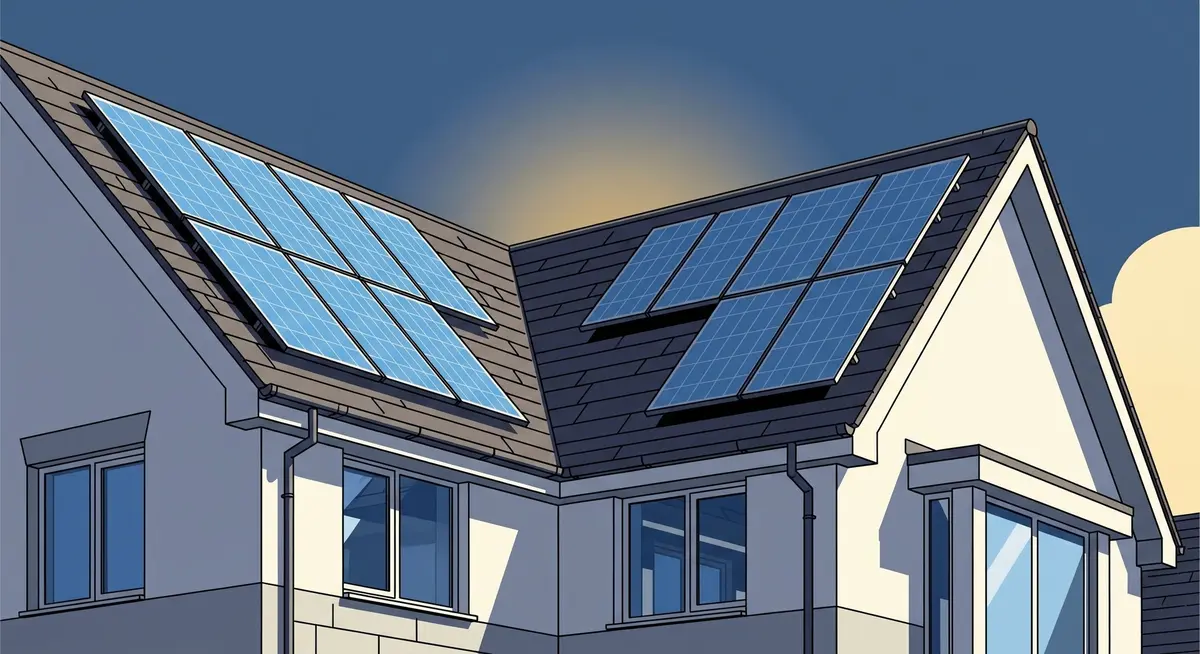
England is set to take a new step in its energy policy: by fall 2025, installing photovoltaic panels will be mandatory for almost all new homes. This mandate, confirmed by Energy Minister Ed Miliband, falls under the Future Homes standard. The goal is to cut emissions and energy bills by utilizing a local and renewable source. Only specific cases where panels would not provide significant benefits are exempt.
A Deliberate Political and Industrial Choice
Solar Energy UK estimates that this new rule will apply to about 90% of new constructions, a critical advancement for the UK’s solar industry. According to government data, an average household could save up to 530 pounds (about 630 euros) per year on energy costs, an important consideration amid rising energy prices. This shift also marks a clear departure from the practice of temporary subsidies: solar energy is now the standard, not just an option.
Boost in Construction and Dual Challenges
The government has set an ambitious goal to build 1.5 million homes by 2029. This surge, combined with the solar panel requirement, could significantly increase installed capacity on rooftops. However, the Office for Budget Responsibility remains cautious about achieving this target. Still, reforms in zoning laws might enable unprecedented construction levels not seen since the 1980s. Additionally, new homes will need to incorporate low-carbon heating solutions (primarily heat pumps) and meet stricter energy efficiency standards.
A Controversial Approach
While some criticize this move as “punitive environmentalism” and point out the UK’s relative lack of sunlight, the initiative aims to greenify living spaces without resorting to often contested megastructures like power plants. The focus is on localized, rooftop solutions that do not encroach on landscapes or farmlands. For its supporters, this mandate represents a “rooftop revolution” rather than a bureaucratic imposition. The government’s decision to rely on accessible technologies rather than large centralized projects could serve as a model—or a cautionary tale—depending on the outcomes.
What do you think?
Even without being an expert on the subject, there’s something quite exciting and joyful about the idea that all new homes could generate some of their own electricity. But what about the impact on manufacturing and home acquisition costs? And what about maintenance? If the idea is to install panels on every home only for them to become non-functional a few years later due to lack of maintenance or because they were imposed on people who see no benefit in them, it will be futile. Do you think such a measure could be adopted in France?
Remember to download the iOS app from Mac4Ever to keep up with all our news!