
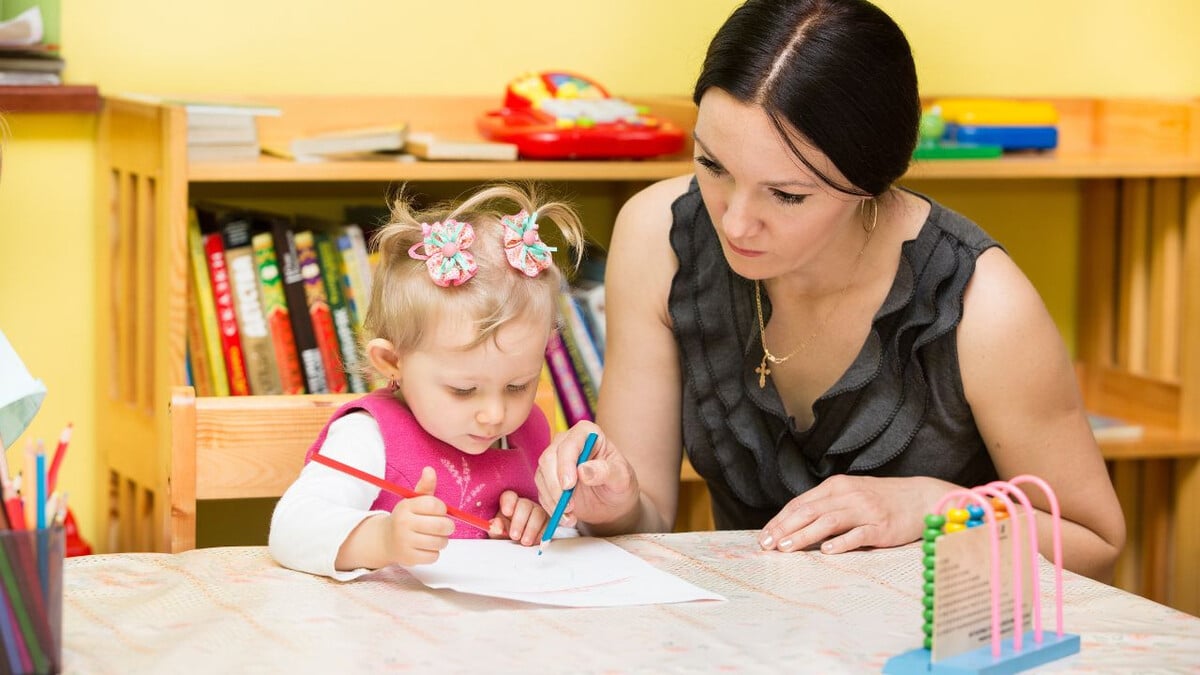
Last spring, I attended a park playdate where I met Sarah, a Montessori mom, proudly telling me how her son thrived on choosing his own activities. The Montessori approach champions self-directed learning, letting children explore at their own pace. In the early years, this often sparks genuine excitement—tots pour rice, trace letters in sand, and discover basic concepts through hands-on materials. According to the American Montessori Society, these methods can foster curiosity and fine motor skills in preschoolers—an appealing contrast to more rigid classrooms.
Amazon co-founder MacKenzie Scott has donated over $19 billion to charity in just five years
Diamond batteries powered by nuclear waste promise 28,000 years of clean energy
When learning gaps become undeniable
Yet as some children move into elementary grades, the free-flow model can leave holes in core skills. Take Agathe’s daughter: after four years under the Montessori banner, she still hesitated over simple sentences and had never tackled a spelling test. I recall chatting with another parent whose second grader struggled with division—something peers had mastered at age seven. By third grade, Agathe turned to private tutoring to bridge those missed lessons in reading, grammar, and math. Without regular dictation exercises or structured phonics sessions, her daughter lagged behind classmates who’d had systematic literacy instruction (National Center for Education Statistics, 2023).

Curriculum transparency under scrutiny
A major frustration for many families is the lack of formal assessments. In traditional schools, report cards and standardized tests offer concrete feedback; in some independent Montessori settings, progress remains largely qualitative. Agathe remembers being told her concerns were simply a matter of “readiness,” not curriculum gaps. The American Montessori Society’s guidelines allow flexibility, but when there’s no clear roadmap or regular benchmarks, parents often feel left in the dark.
Rising doubts among families
With tuition fees comparable to private preparatory schools, more parents are asking whether Montessori delivers enough value. A 2024 survey by the National Education Association found that nearly 25% of Montessori parents considered switching to conventional programs by third grade. Experts like Dr. Emily Zimmerman of the NEA warn that without early emphasis on structured lessons, children may face unnecessary hurdles later on. The cost of catch-up—both in terms of extra tutoring and parental stress—can quickly outweigh the initial benefits of an unstructured environment.

Reflections and advice
Looking back, Agathe doesn’t regret trying Montessori—but she advises other families to stay vigilant. “Visit classrooms when real lessons happen, ask for samples of student work, and request periodic skill checks,” she suggests. Ultimately, every child is different: some may flourish with freedom, while others need a balanced blend of autonomy and guidance. For parents weighing their options, the key is to monitor progress closely and be ready to recalibrate if the promise of independence starts to cost more than it gives.