
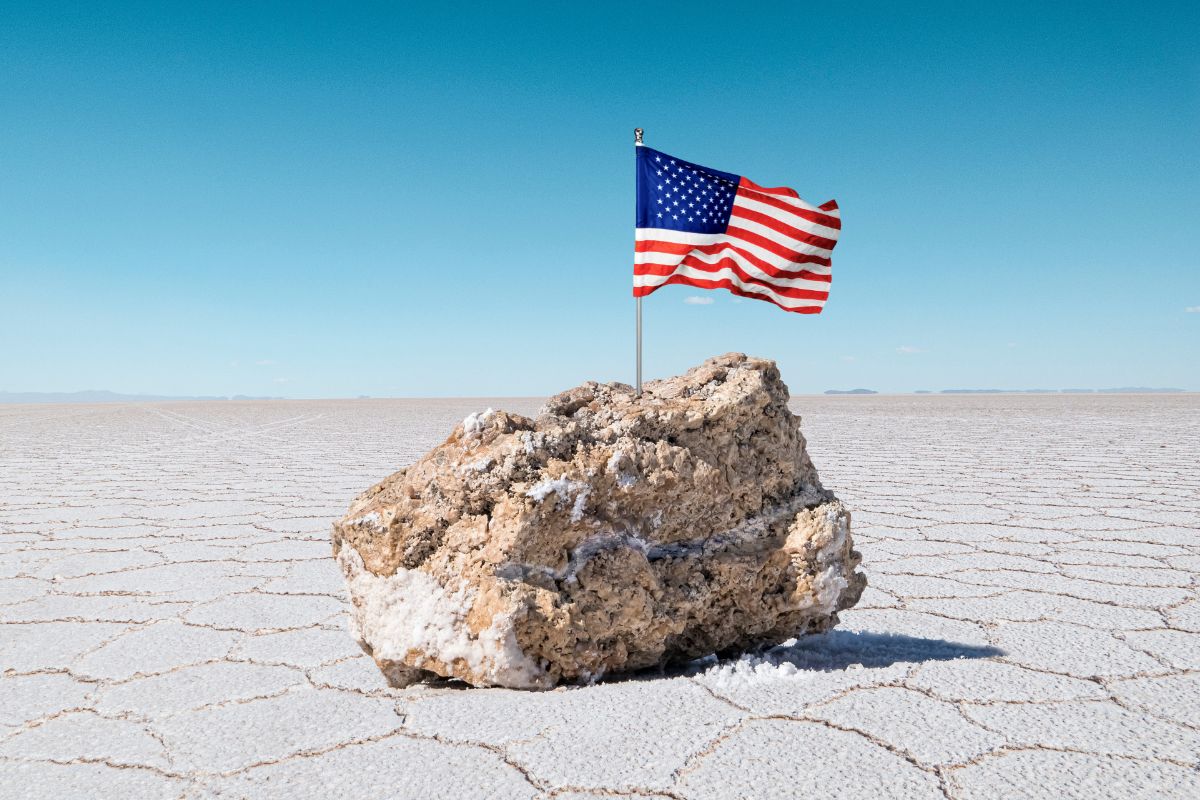
Last summer, I found myself charging my electric car at a quiet rest stop—watching the progress bar inch forward reminded me just how much we rely on lithium extraction behind every mile we drive. For decades, the United States has leaned heavily on imported lithium, with China refining about 60% of U.S. supplies in 2023, according to Statista. But now, American researchers have unveiled an electrochemical reactor that could rewrite the rules of the lithium game.
Amazon co-founder MacKenzie Scott has donated over $19 billion to charity in just five years
Diamond batteries powered by nuclear waste promise 28,000 years of clean energy
Why lithium matters now more than ever?
Lithium is the beating heart of modern batteries, from electric vehicles to grid-scale storage systems that smooth out the peaks and valleys of renewable power. Traditional mining and processing can be energy-intensive and environmentally taxing. That’s why tapping into natural brines—saltwater sources rich in dissolved minerals—has become such an attractive alternative. Yet, separating lithium ions from a cocktail of sodium, magnesium, and chloride has long been a stubborn hurdle.
How the new reactor transforms extraction?
At the core of this innovation is a three-chamber design that orchestrates ion movement with surgical precision. The middle chamber houses a porous solid electrolyte, which acts like a traffic cop, directing lithium ions one way and keeping unwanted species at bay. Early tests report a remarkable 97.5% efficiency, meaning nearly all the lithium in the brine ends up in a pure stream—no more endless evaporation ponds or chemical-heavy separation plants.
The power of the glass-ceramic membrane
A standout feature is the lithium-ion conducting glass-ceramic (LICGC) membrane. Think of it as a VIP pass exclusively for lithium ions: nothing else gets through. This selective barrier not only boosts purity—crucial for manufacturing high-grade lithium hydroxide—but also wards off harmful chlorine gas by blocking chloride ions from reaching the electrodes. In my conversation with one of the lead scientists, they emphasized that this cleaner process could slash both hazards and costs in large-scale operations.
Obstacles and the road forward
No breakthrough comes without challenges. Over time, sodium ions tend to pile up on the membrane surface, slowing down lithium transport and hiking energy needs. To counter this, the team is experimenting with surface coatings, pulsed current protocols, and fine-tuning electrical currents to keep the system humming at peak performance. If these tweaks succeed, the reactor could be scaled from lab benchtops to sprawling extraction facilities.
A turning point for the global lithium supply
Imagine a future where coastal salt flats, geothermal wells, or even inland saline aquifers become U.S.-based sources of sustainable energy raw materials—no longer a tech reliant on overseas supply chains. As the global demand for EVs and renewables surges, this game-changing breakthrough positions the United States to reclaim its leadership in the lithium race. “We’re entering a new era of extraction that prioritizes efficiency, sustainability, and self-reliance,” says one researcher involved in the project. If successful, this could mark the beginning of genuine energy independence for American clean-tech industries.