

For anyone who cherishes vintage photography, discovering an antique camera is always an adventure. But imagine the thrill when, while examining a relic, you uncover an undeveloped roll of film that’s been hidden away for over 70 years. That’s exactly what happened to Austrian photographer Markus Hofstätter, whose passion for historic devices turned a forgotten artifact into a window to the past.
Amazon co-founder MacKenzie Scott has donated over $19 billion to charity in just five years
Diamond batteries powered by nuclear waste promise 28,000 years of clean energy
The Challenge of Restoring Old Film
Markus Hofstätter, known for his work with classic photographic equipment, recently encountered a rare treasure: a Jules Richard Verascope dating back to 1911. While inspecting this early stereoscopic camera, he found an intact roll of film that had never seen the light of day. The discovery was both exhilarating and daunting. As I recall my own experience with antique cameras, the sense of excitement mingled with the concern for preserving delicate historical details is unmistakable.
Restoring such an aged film isn’t as straightforward as it may seem. Over decades, factors like time, temperature, and environmental exposure can significantly compromise the film’s emulsion. Standard development methods could risk further damaging what remains of the captured image. According to the British Journal of Photography, handling aged film requires a meticulous approach to safeguard its fragile state—a sentiment that Hofstätter clearly understood.
Why Develop Color Film in Black and White?
One might assume that since the film was originally captured in color, it should be developed in that format. However, Hofstätter discovered that the dye layers in color film tend to break down at different rates compared to the silver halide base. In many cases, the black-and-white component is the only viable element left for recovery. Drawing on techniques endorsed by experts at the National Film Preservation Board, he decided to process the film as black and white.
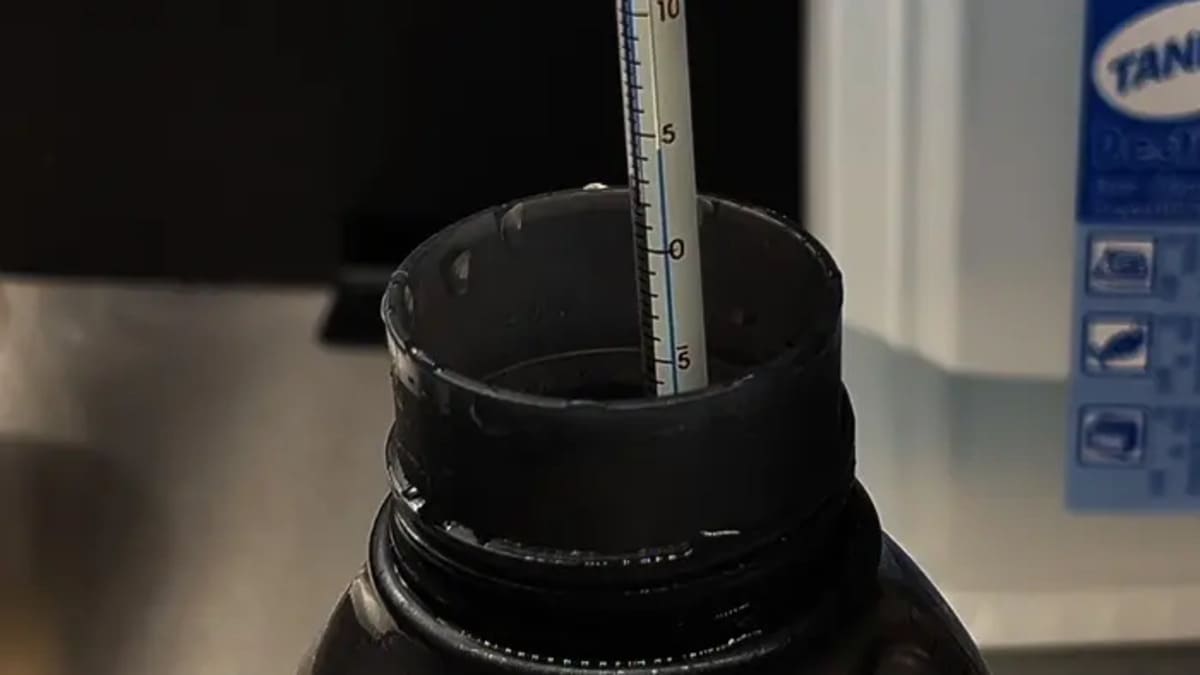
To extract the best possible images, Hofstätter opted for a highly diluted HC-110 developer, maintaining the mixture at a cool 6°C (43°F). He used a rotary development system to ensure uniform processing, a detail that underscores his careful approach. This method, while unconventional for color film, is increasingly recognized among restoration experts as a viable way to salvage historical photographs.
The Results: A Glimpse into the Past
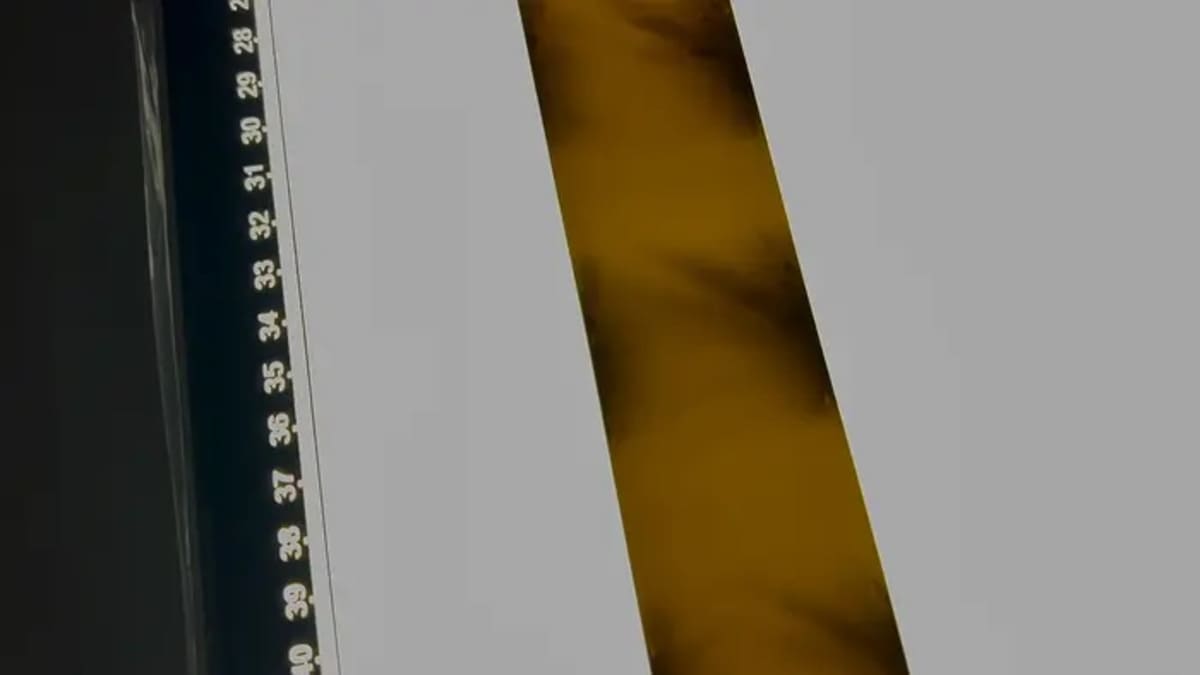
The final images, though marked by age and the inevitable imperfections of time—such as light leaks and chemical spots—offered a unique window into moments long forgotten. Each frame, albeit imperfect, told a story of its era, transforming the old film roll into a tangible slice of history. Reflecting on this process reminds me of a family photo album full of faded memories, where every blemish adds to the nostalgic charm.
NASA warns China could slow Earth’s rotation with one simple move
This dog endured 27 hours of labor and gave birth to a record-breaking number of puppies
While these restored photographs might not meet the pristine standards of modern digital clarity, they serve as powerful testaments to the resilience of our cultural heritage. Trusted voices in the photography community, including experts from Getty Images, have noted that even damaged film can be a valuable resource, offering insights into the photographic practices and social contexts of bygone eras.
Why This Matters for Photography Enthusiasts ?
Every roll of undeveloped film carries the promise of a forgotten story, a moment that might have otherwise been lost forever. Hofstätter’s groundbreaking restoration work highlights not just the enduring magic of analog photography but also the importance of preserving our visual history. His experiment is a reminder that with the right care and a bit of innovation, even the oldest, most neglected film can be coaxed into revealing its secrets.
For vintage photography fans and preservationists alike, this project reinforces the notion that our past continues to speak through technology—even those pieces that seem irretrievably old. The recovery of these images is not merely a technical triumph; it’s an invitation to look back and appreciate the legacy of early photographic art. As more enthusiasts explore similar recoveries, who knows what other hidden histories might be waiting to be revived?