
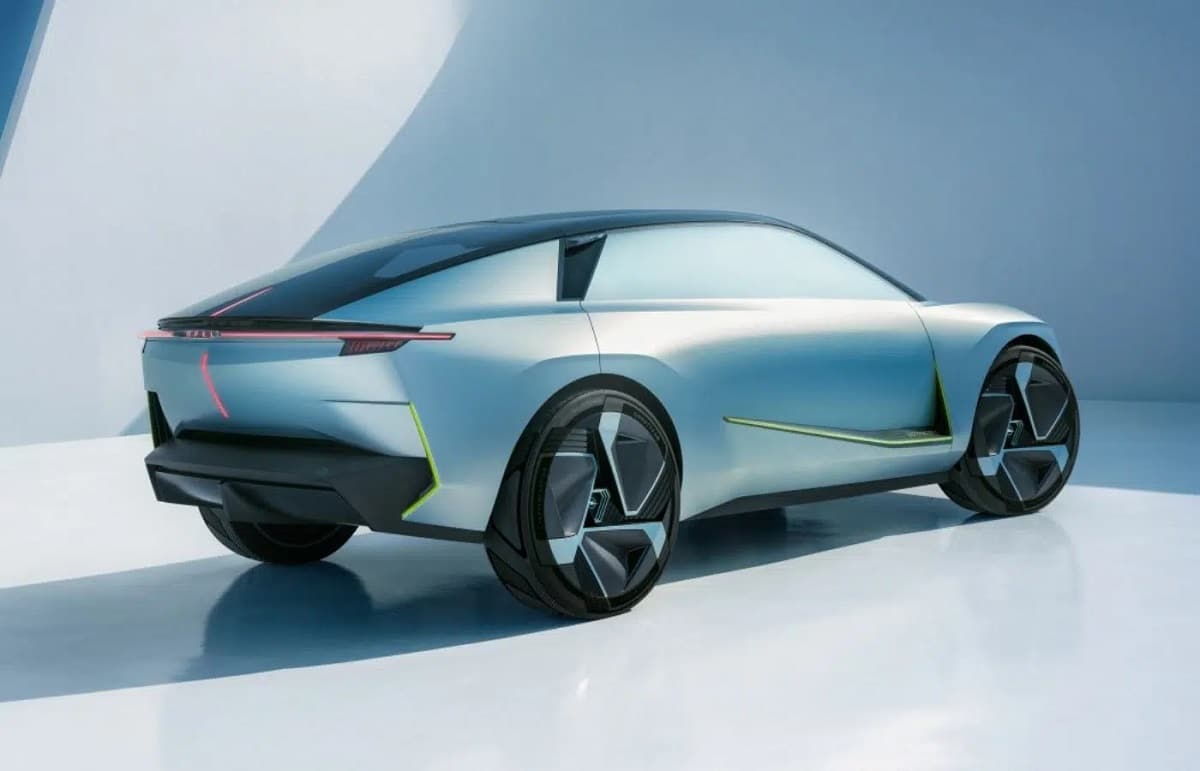
While some automakers are still hesitating over their electric future, one German brand has set a bold course. Opel, with its iconic blitz logo, has firmly committed to fully transitioning to a 100% electric lineup by 2028, positioning itself as a leader in the electric vehicle (EV) race. This move isn’t just a declaration—it’s a meticulously planned strategy that marks a dramatic shift in the company’s long-standing legacy.
Amazon co-founder MacKenzie Scott has donated over $19 billion to charity in just five years
Diamond batteries powered by nuclear waste promise 28,000 years of clean energy
A Transition Already in Motion
Opel is not waiting for the future to come to them—they’re creating it. The automaker has been systematically rolling out electric versions of all new models, setting the stage for the complete phase-out of traditional combustion engines and hybrids. Take the Grandland and Frontera, for example. Each new model now includes an all-electric variant. The shift to full electrification is not just a far-off dream—it’s already in progress.
Today, Opel’s lineup includes electric vehicles that showcase impressive performance:
- Corsa Electric: With a range of up to 405 km on a single charge, this model brings practicality to everyday driving.
- Mokka Electric: Delivering 156 hp, it combines power with a dynamic driving experience.
- Astra Electric: Known for fast charging—from 20% to 80% in just 30 minutes—this model puts convenience first.
Germany as a Strategic Pillar
Germany, Opel’s home market, has traditionally been its most important base, but it’s also the stage for the company’s biggest challenge. With the country currently in a state of energy transition uncertainty, and government subsidies for electric vehicles recently being slashed, Opel’s ambitious goal could have seemed overly optimistic. However, Florian Huettl, CEO of Opel, is undeterred. He believes that by 2028, the German market will be fully prepared for the shift to electric mobility, despite the bumps along the way.
“We remain confident,” says Huettl, emphasizing that Opel’s commitment to this transition is unwavering.
Technology as the Driver of Change
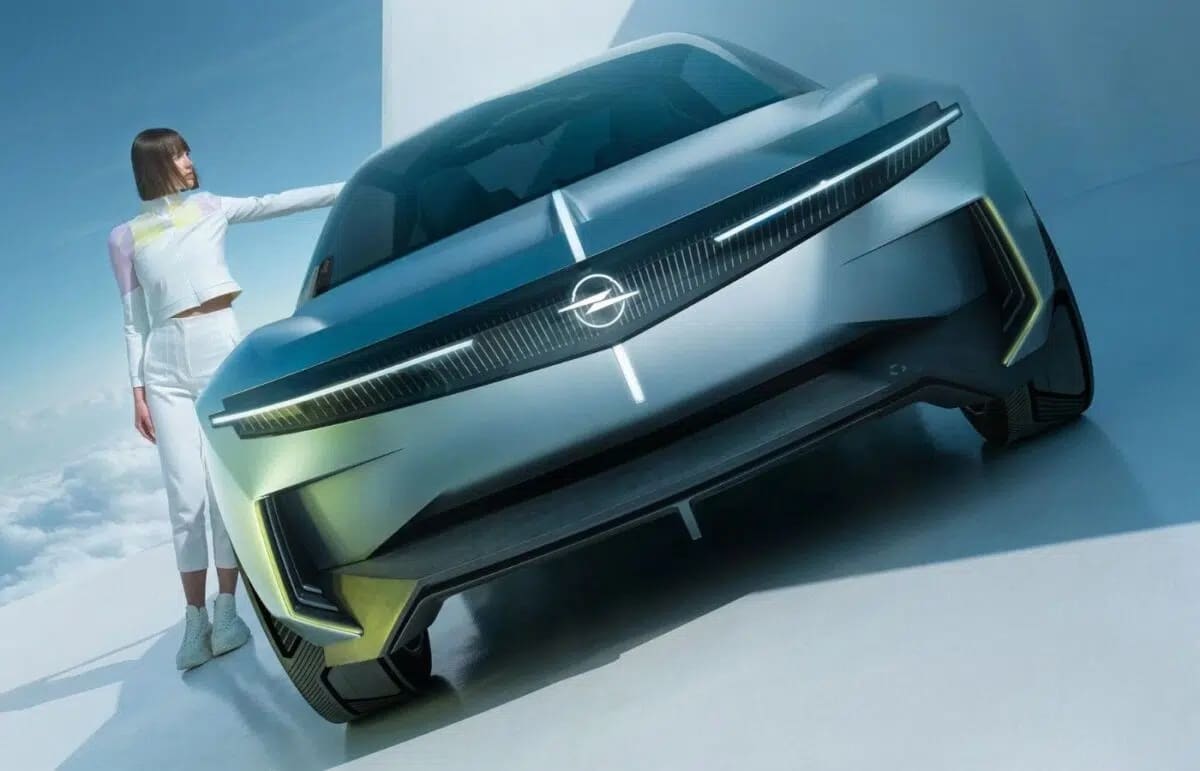
The backbone of Opel’s transition is cutting-edge technology. Central to this transformation is the upcoming STLA Small platform, an exclusive electric architecture set to underpin Opel’s next-generation Astra, scheduled for release in 2028. The specifications for this platform are set to be game-changing:
- Range: Up to 500 km on a single charge.
- Charging power: Capable of up to 200 kW charging.
- Energy efficiency: Less than 15 kWh/100 km.
This platform promises to elevate Opel’s electric offerings, giving them a significant edge in the evolving market.
NASA warns China could slow Earth’s rotation with one simple move
This dog endured 27 hours of labor and gave birth to a record-breaking number of puppies
A Bold Strategy Within Stellantis
Opel’s clear-cut decision to go fully electric sets it apart from its sibling brands within the Stellantis group. While Peugeot has signaled its intention to maintain both combustion and electric options for models like the 208, Opel is choosing a more radical path. The company’s strategy may seem bold, even risky, but it establishes Opel as a pioneer of electric mobility in Europe.
This decisive approach highlights Opel’s ambition to not only be part of the transition but to lead it, pushing the boundaries of what’s possible in the EV sector.
The Technical and Commercial Challenges
As Opel marches toward this ambitious goal, there are a few hurdles to overcome. The success of this transition will hinge on critical factors such as the expansion of charging infrastructure, the reduction in battery production costs, and the market’s willingness to embrace fully electric vehicles. Opel is working actively on all of these fronts by forging strategic partnerships to ensure:
- A 40% reduction in production costs by 2028.
- Access to an extensive fast-charging network across Europe.
- Continuous advances in battery technology, aiming for a 30% increase in energy density.
These efforts are aimed at ensuring that Opel’s electric vehicles are not only cutting-edge in terms of technology but also affordable and accessible to a wide range of consumers.
A Historic Break from the Past
This bold move to electrify Opel’s entire lineup by 2028 represents a historic departure from the company’s roots. The German automaker is shedding its reliance on combustion engines and embracing the future with both hands. Opel’s strategy positions it as the electric leader within Stellantis, and its focus on technology, performance, and sustainability shows its commitment to defining the future of mobility in Europe.
By choosing to be one of the first to completely say goodbye to combustion engines, Opel is making a powerful statement. It’s a company fully aligned with the future, and while the path forward is filled with challenges, Opel’s vision could very well shape the direction of the industry for years to come.