
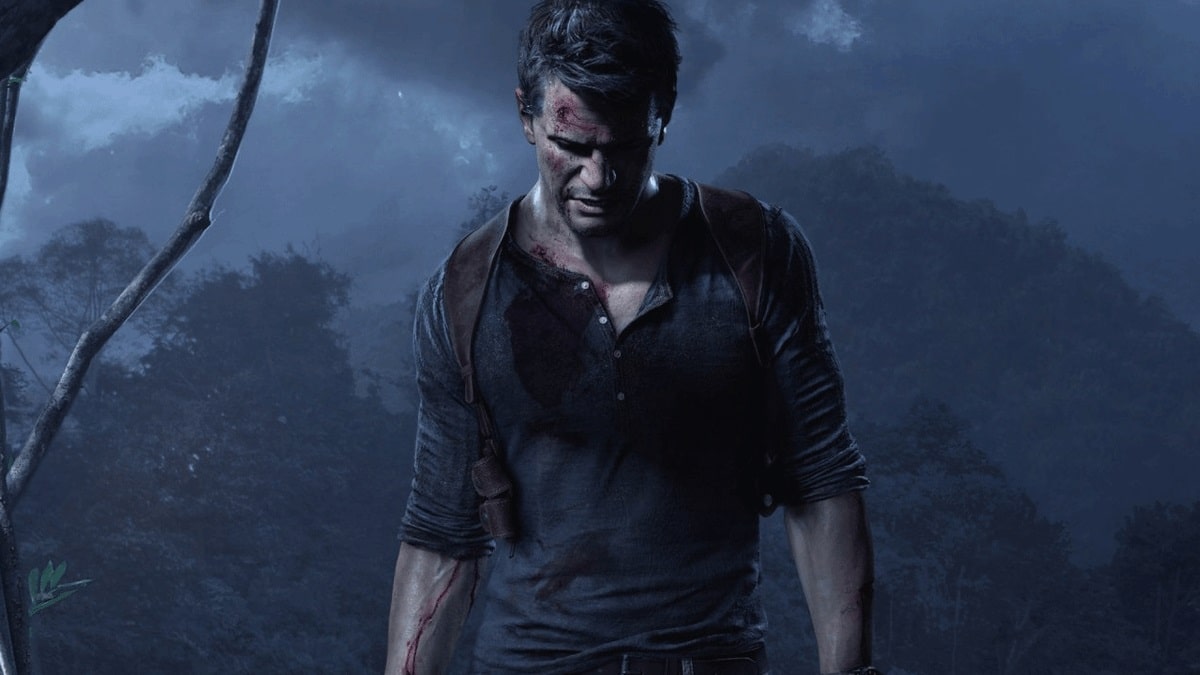
Shawn Layden, former head of PlayStation Studios, has long been outspoken about the state of the video game industry, particularly when it comes to the rising costs of AAA game development. In a recent interview, Layden reiterated his concerns, stressing that the current model of blockbuster game production is simply not sustainable, especially when so many players don’t even finish the games they buy.
Amazon co-founder MacKenzie Scott has donated over $19 billion to charity in just five years
Diamond batteries powered by nuclear waste promise 28,000 years of clean energy
The Cathedral vs. The Church
Layden’s views on the industry‘s financial trajectory aren’t new, but they’ve only become more relevant as the cost of making AAA games continues to spiral. As he pointed out, with each new generation of consoles, game development costs double. What used to cost $1 million on the PlayStation 1 can now reach $150 million for a top-tier PS4 game—before marketing costs are even factored in. Given the trajectory, games on the PlayStation 5 could soon top $300 million to $400 million. Layden’s conclusion? This model is simply not viable anymore.
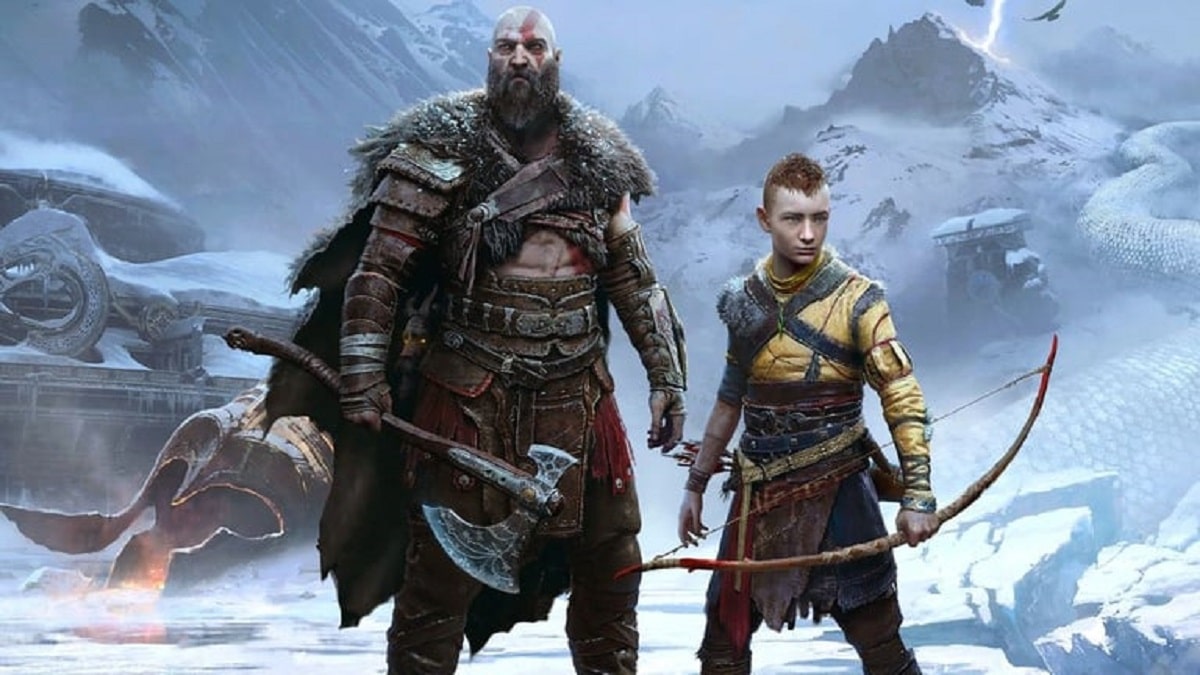
The shift in the market is becoming clear. As development costs skyrocket, both publishers and developers are exploring new ways to recoup those costs. While there has been an increase in the price of games themselves, Layden argues that this isn’t enough. “The industry is trying to make more money off the same players,” he says, adding that a major part of solving this problem is reducing the costs of production.
To illustrate his point, he compares the evolution of AAA games to the construction of cathedrals. While monumental, these massive, expensive projects often become unsustainable. “I fear we’ve made AAA games into some sort of cathedral,” Layden states. “It’s probably already grown too large.” Instead, he suggests the focus should shift to creating smaller, more accessible projects—akin to building a church rather than a cathedral.
Players, Finish Your Games
One of the critical points Layden brings up is the length of modern video games. With development budgets soaring, game makers often stretch gameplay length in an attempt to justify the enormous cost. However, Layden argues that this has become a major flaw in the current approach.
“Games are too long,” he says. While longer games used to be a selling point—especially to younger players with more free time—this approach no longer resonates with older players, many of whom have less time to commit to these sprawling, never-ending quests. Additionally, the real kicker comes when Layden points out that a huge portion of players never even finish the games they buy.

NASA warns China could slow Earth’s rotation with one simple move
This dog endured 27 hours of labor and gave birth to a record-breaking number of puppies
In fact, it’s not uncommon for only about 50% of players to reach the final level of a game, even though millions of dollars may have been spent designing it. “If only half of your players see the end of your game, what does that say about all the millions you spent on that final level?” Layden asks. It’s a sobering thought for an industry that has increasingly relied on larger-than-life experiences to keep players hooked.
Rethinking the Future of Video Games
Layden’s critique isn’t just about cost—it’s about efficiency and value. It’s clear that the AAA model is buckling under its own weight. Players aren’t finishing these long, expensive games, and yet the industry continues to pump vast resources into making them. This creates an unsustainable cycle of overproduction, where developers are pouring resources into content that ultimately doesn’t resonate with a large portion of their audience.
Looking forward, Layden’s comments could spark a much-needed discussion about the future of gaming. Could the industry benefit from focusing on shorter, more impactful experiences rather than trying to create sprawling epics that often end up feeling bloated? In his view, the industry may need to reassess what “success” looks like in the world of modern gaming.
As Layden has suggested, the shift could move away from expensive, lengthy games to more streamlined, accessible experiences that players can enjoy from start to finish, without needing to invest weeks of their lives. For developers, this could mean creating games that are not only more affordable to make but also more enjoyable for players to complete.
In an era where games are often judged by their length rather than their quality, it might be time to rethink what gaming should be—and what it could become if the emphasis were placed on crafting experiences that players actually finish.