
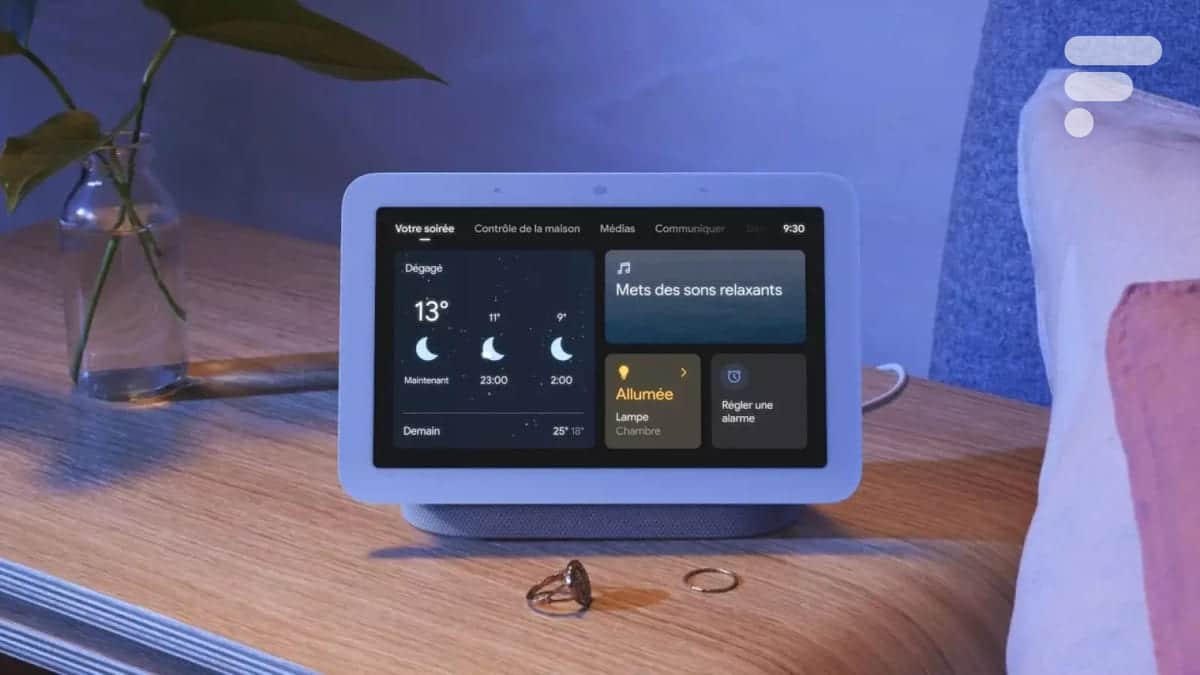
Smart homes are getting smarter and more reliable, and Google has just taken a massive step forward. A major update to Google Home now allows users to control Matter-compatible devices without relying on the internet—a game-changing development for home automation enthusiasts. This move addresses one of the most frustrating limitations of smart home technology and could reshape how we interact with connected devices.
Amazon co-founder MacKenzie Scott has donated over $19 billion to charity in just five years
Diamond batteries powered by nuclear waste promise 28,000 years of clean energy
Local Control Without Internet
Until now, most smart home devices required a constant internet connection to function properly. If your Wi-Fi went down, your smart lights, thermostats, and locks could suddenly become unresponsive. With Google’s latest update, that frustration is a thing of the past.
By integrating Google Runtime directly into Google Home hubs, devices can now communicate locally, without needing to send data to the cloud. This means that even if your internet goes down, you can still adjust your lights, change the temperature, or unlock your door using Google Assistant.
Tech analysts have long pointed out the pitfalls of cloud-dependent smart homes. With this update, Google is solving a critical issue—making home automation more resilient and less dependent on external connectivity.
A Smarter Solution for Power Outages and Network Issues
Picture this: You come home after a long day, only to find that your Wi-Fi is down. Normally, this would mean fumbling in the dark while waiting for your router to reboot. But with Google’s new local control, your Matter-compatible devices will still function seamlessly—even without internet access.
Before this update, smart home users often found themselves locked out of essential controls during outages. Now, whether it’s a power surge, a network glitch, or an ISP failure, your Google Home system will keep running without a hitch.
This also enhances security—a smart lock that depends on the cloud could become unreliable during an outage. With Google’s local processing capabilities, critical functions like locking your doors or managing security systems remain intact, even if your internet connection is unstable.
Opening the Door to Third-Party Integration
Beyond offline functionality, Google is also expanding opportunities for third-party developers. By opening its Home APIs, Google is inviting developers to create deeper integrations with Google Home devices.
NASA warns China could slow Earth’s rotation with one simple move
This dog endured 27 hours of labor and gave birth to a record-breaking number of puppies
This means that smart home gadgets from different brands will soon be able to work together more smoothly. Imagine a smart lock, security camera, and thermostat all coordinating automatically, even if they come from separate manufacturers.
Google’s open API approach encourages developers to innovate beyond brand restrictions, allowing users to customize their smart home experience like never before. This shift brings us closer to a world where all smart devices speak the same language, delivering a truly connected home experience.
The Future of Smart Homes
This update isn’t just an incremental improvement—it’s a major leap forward in home automation. By addressing the weak points of cloud-dependent systems and fostering a more open, interconnected ecosystem, Google is reshaping the smart home industry.
For those already invested in Google Home—or considering making the switch—this update makes a compelling case to upgrade. The ability to maintain control during outages, paired with broader device compatibility, marks a turning point in how smart homes function.
Google’s latest update isn’t just about making smart homes more convenient—it’s about making them more resilient, intuitive, and future-proof. And as the world moves towards fully integrated home automation, this could be the update that sets a new industry standard.