
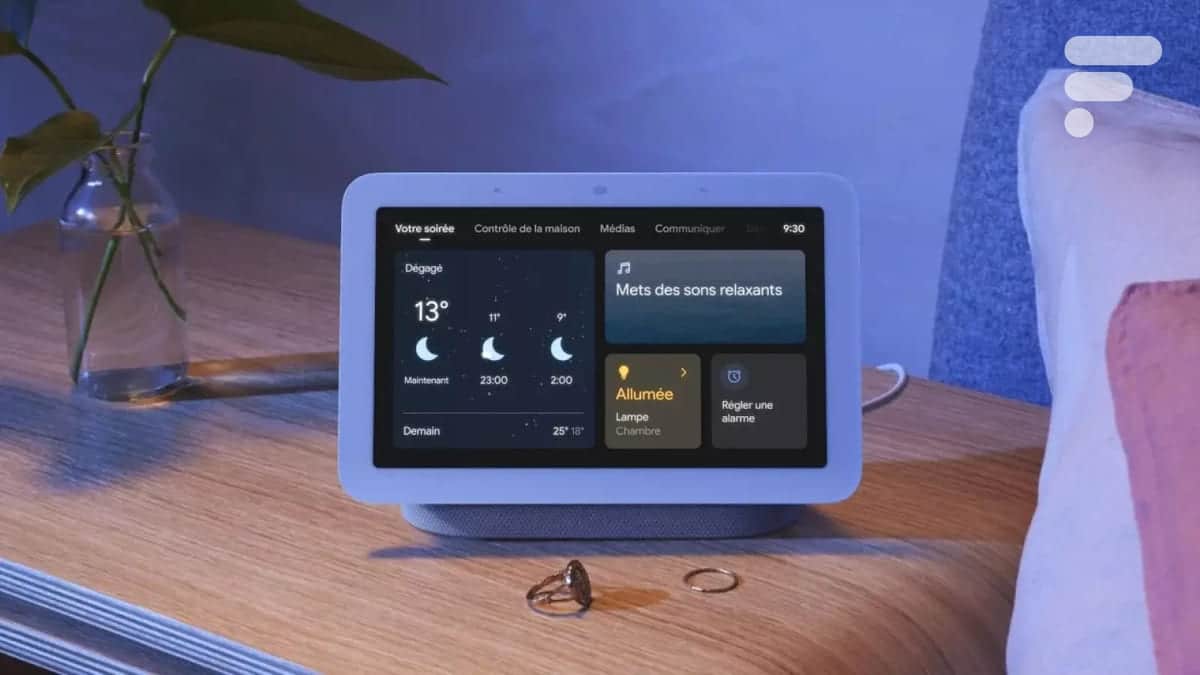
Google has just unveiled a major update to Google Home, and it could be the breakthrough smart home enthusiasts have been eagerly awaiting. With this new update, users can now control all their Matter-compatible devices without needing an internet connection. For anyone invested in home automation, this development brings exciting new possibilities.
Amazon co-founder MacKenzie Scott has donated over $19 billion to charity in just five years
Diamond batteries powered by nuclear waste promise 28,000 years of clean energy
Local Control Without Internet
One of the most exciting aspects of this update is the introduction of full local control for devices that support the Matter protocol. Essentially, this means you can now operate all of your smart devices—like lights, thermostats, locks, and more—via Google Assistant, even when your internet connection is down.
While Google had previously enabled limited local control for some Matter-compatible devices, this update takes it a step further. By integrating Google Runtime into Google Home Hubs, the devices can now communicate directly with one another within your home network, bypassing the need for an internet connection entirely. This is a huge win for anyone who’s dealt with the frustration of not being able to control their devices during an internet outage.
A Smarter Solution for Power Outages and Network Issues
Before this update, an internet outage could leave you helpless when it came to controlling even the most basic devices, like adjusting the thermostat or turning on the lights. But with the new system, those days are over. Google Home now ensures you can maintain control over your smart devices no matter what happens with your internet.
For example, picture this: You come home during a storm, and your internet is down. Rather than scrambling to reset your router or stumbling around in the dark, you can still easily turn on your Matter-enabled devices and make sure your home is functioning as it should. This new functionality ensures that your smart home remains just that—smart—even during unexpected disruptions.
Opening the Door to Third-Party Integration
Another exciting aspect of this update is how Google is expanding its ecosystem to allow for more third-party integration. By opening up its Home APIs, Google is giving developers the tools to integrate Google Home devices and automation routines directly into their own applications. This move will foster more interoperability between different devices and brands, creating a more cohesive, interconnected smart home experience.
Imagine being able to have your smart lock, security camera, and thermostat seamlessly communicate, even if they come from different manufacturers. With this new approach, developers can create tailored automation features that go far beyond what was previously possible, allowing you to customize how your smart home functions and interacts with the world.
The Future of Smart Homes
This update marks a significant step forward for Google’s vision of home automation, bringing us closer to a world where our homes work intelligently, seamlessly, and reliably. By eliminating some of the most common pain points, like reliance on an internet connection, and fostering a more open environment for third-party apps and devices, Google is setting a new standard in the smart home industry.
NASA warns China could slow Earth’s rotation with one simple move
This dog endured 27 hours of labor and gave birth to a record-breaking number of puppies
For anyone who already uses Google Home—or anyone considering jumping into the world of home automation—this update makes a strong case for why now is the time to upgrade. The ability to maintain control over your devices during network issues, paired with the expanded compatibility with various brands, brings us closer to the fully integrated, intelligent homes we’ve always dreamed about.
Google’s latest update is more than just an improvement; it’s a leap forward in creating smarter, more reliable homes for everyone, making everyday living a little bit easier, even when the internet is down.