
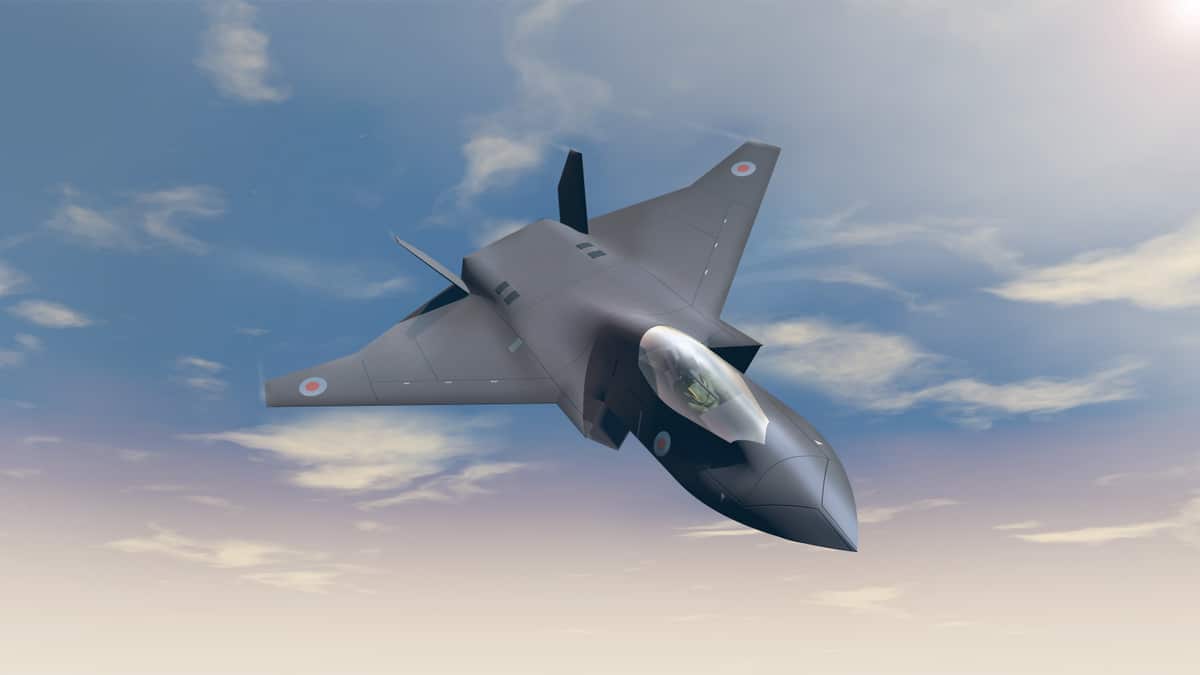
Building the next-generation fighter jet is no small undertaking. As history has shown, these ambitious projects are fraught with challenges—rising costs, technical issues, and unexpected delays. The Lockheed Martin F-35, for example, stands as a prime example of such complexity, with its total program costs soaring to a staggering $1.7 trillion, making it one of the most expensive defense initiatives ever. Despite this cautionary tale, the UK, Italy, and Japan are forging ahead, teaming up to take on the challenge of creating a sixth-generation fighter jet, confident they can avoid the same pitfalls.
Amazon co-founder MacKenzie Scott has donated over $19 billion to charity in just five years
Diamond batteries powered by nuclear waste promise 28,000 years of clean energy
Strategic Cooperation to Cut Costs and Speed Up Development
Facing the daunting costs of developing such a sophisticated aircraft, the three nations are turning to collaboration as their strategy for success. The UK’s Tempest program, a nearly decade-long effort to build a supersonic fighter, has merged with Japan’s FX project and Italy’s aerospace goals under a joint initiative known as the Global Combat Air Program (GCAP). This tri-national partnership aims to pool expertise, resources, and funding, with the goal of sidestepping the financial struggles that have plagued similar projects in the past.
This cooperation includes some of the most prominent defense contractors in the world, such as BAE Systems, Rolls-Royce, Leonardo, and Mitsubishi Heavy Industries. Each company has a specialized role: BAE Systems leads the overall project, Rolls-Royce is developing the advanced engines, while Leonardo and Mitsubishi focus on cutting-edge avionics and electronics. MBDA, a key player in missile systems, will design the aircraft’s advanced weapons system. The collaboration is already producing results—BAE Systems is experimenting with innovative manufacturing techniques like 3D printing carbon fiber components to streamline production, and some prototypes are already in development.

Cybersecurity Challenges in a Hyperconnected Program
As with any major project involving multiple nations and corporations, cybersecurity is a critical concern. With so much sensitive data being exchanged, any potential vulnerabilities could have severe consequences. A recent cyberattack on Japan’s national cybersecurity agency highlighted just how important it is to safeguard confidential defense communications. These kinds of incidents stress the need for robust security protocols to ensure that classified information remains protected throughout the development process.
Despite these challenges, the partners remain optimistic. Their combined expertise and focus on secure, efficient collaboration give them confidence that they can overcome these hurdles and successfully create a next-generation fighter that sets new standards for military aviation.
What Makes a Sixth-Generation Fighter Jet Revolutionary?
Although the exact specifications of this next-generation jet are still under wraps, the Tempest and FX programs have revealed some tantalizing details. This aircraft is expected to excel not just in traditional combat, but also in surveillance, reconnaissance, and electronic warfare. A major focus of this design is flexibility—this jet will have the ability to function as both a manned and unmanned system. Supersonic speeds are a given, but what really sets this project apart is the integration of artificial intelligence (AI) into its operation.
AI will play a major role in both autonomous missions and enhancing the performance of pilots. For instance, the jet could feature a helmet-mounted display that reads the pilot’s brain signals, providing real-time medical data and enhancing decision-making during high-pressure moments. This futuristic technology could revolutionize how pilots navigate complex missions, improving everything from flight navigation to missile deployment.
NASA warns China could slow Earth’s rotation with one simple move
This dog endured 27 hours of labor and gave birth to a record-breaking number of puppies
A Bold Vision for the Future of Defense
Despite the risks involved, the UK, Italy, and Japan are betting that their strategic collaboration will result in a state-of-the-art fighter jet, all while avoiding the financial troubles that have plagued other defense programs. By pooling their expertise, embracing advanced manufacturing methods, and addressing potential cybersecurity threats, these nations aim to set a new standard for military aviation.
This collaboration reflects a broader shift in how nations approach defense innovation. In an era of high costs and increasing technological demands, efficiency and shared expertise are becoming more crucial than ever. If successful, the Global Combat Air Program could redefine air combat and show the world that international cooperation is the key to overcoming the complex challenges of developing the next-generation of fighter jets.
By working together, these countries not only aim to build a revolutionary aircraft but also lay the groundwork for more partnerships and innovations in the defense sector for years to come.