
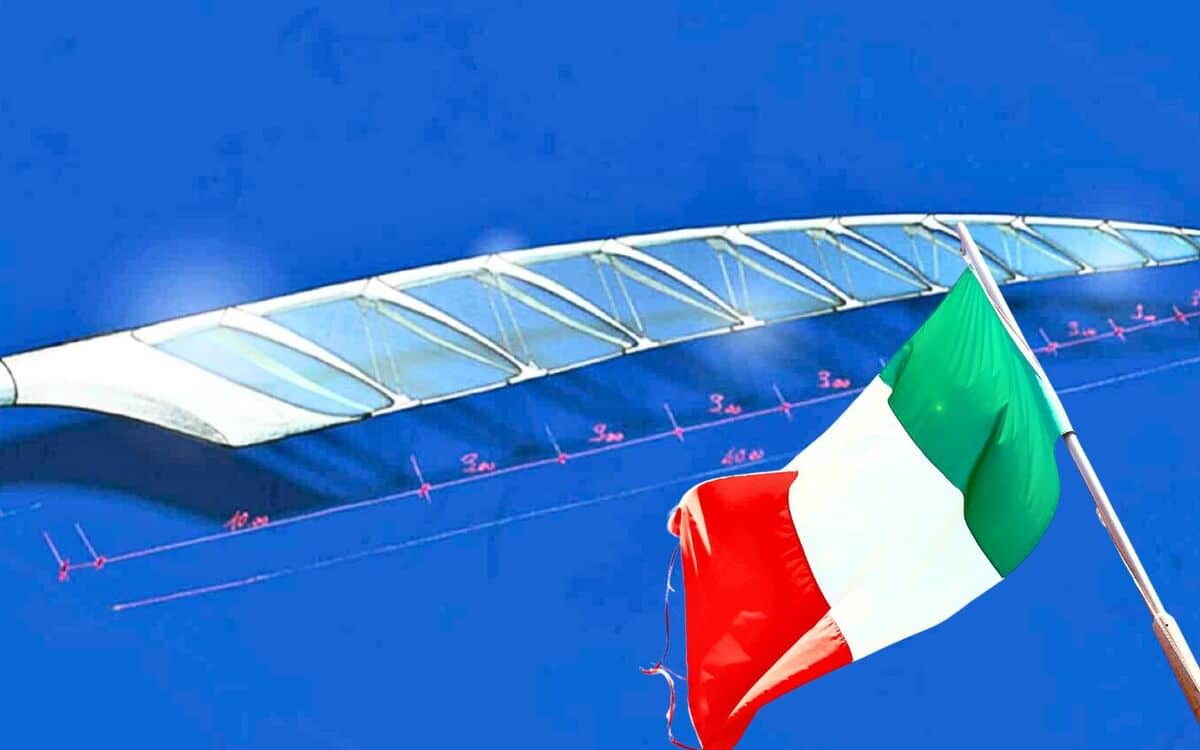
Imagine an energy solution that’s both aesthetically pleasing and highly efficient, one that doesn’t disturb the landscape or the environment around it. That’s what the “Libellule” turbine promises. Designed by renowned architect Renzo Piano in collaboration with ENEL Green Power, this innovative wind turbine could change the way we generate clean energy, particularly in urban environments. Inspired by the delicate wings of a dragonfly, the design reduces the traditional issues of noise pollution and visual clutter that come with conventional wind turbines. It’s a game-changer for those looking to adopt sustainable energy without sacrificing their surroundings.
Amazon co-founder MacKenzie Scott has donated over $19 billion to charity in just five years
Diamond batteries powered by nuclear waste promise 28,000 years of clean energy
Nature-Inspired Design for a Seamless Integration
Unlike traditional wind turbines, which often stand out with their bulky and loud presence, the Libellule turbine has a streamlined design that blends seamlessly into its environment. When not in use, the turbine’s two blades are nearly invisible, merging with the mast to create an almost aesthetic invisibility. This makes it perfect for urban areas, where residents are often wary of unsightly installations. The turbine’s shape and design are not just about looks—they’re carefully crafted to reduce noise while still providing a powerful, renewable energy source. In residential areas, where tranquility and unobstructed views are important, this could make all the difference.
High-Tech Materials and Advanced Engineering
What’s even more impressive about the Libellule turbine is the technology behind it. Constructed from lightweight materials like polycarbonate and carbon, it’s not only durable but highly efficient. The turbine can start generating power in wind speeds as low as 2 meters per second, which is ideal for areas where high winds are infrequent. This ability to harness even the gentlest breeze gives it a huge advantage in cities where wind is often mild. These advanced materials also contribute to the turbine’s impressive longevity, ensuring it performs well over time, even in varied weather conditions.
Efficiency That Surpasses Expectations
In the initial tests, the prototype of the Libellule turbine exceeded expectations, generating more than 1241 kWh of energy. This is a significant amount of power, proving that even slight breezes can be used to produce clean, renewable energy. For homeowners, this translates into lower energy costs, making the Libellule a potentially cost-effective alternative to traditional energy sources. It also provides a reliable, environmentally friendly power option without the visual and auditory distractions commonly associated with conventional wind farms.
Minimal Environmental Impact
One of the major advantages of the Libellule turbine is its minimal impact on the local ecosystem. Unlike traditional wind turbines, which can pose a risk to wildlife, especially birds, the Libellule’s design respects the surrounding fauna and flora. The turbine’s quiet operation and sleek form make it a more eco-friendly option, ideal for areas where environmental preservation is a priority. It’s a solution that not only meets the demand for renewable energy but also helps protect the local environment.
The Future of the Libellule Turbine
Looking ahead, the Libellule turbine is set to enter mass production, starting with the Italian market. In a country where renewable energy is a key focus, this turbine could provide a significant boost to urban areas looking to reduce their reliance on traditional energy sources without disrupting their aesthetic or natural surroundings. Its low environmental footprint and easy integration into cities make it a compelling choice for markets worldwide that are seeking innovative energy solutions that are both effective and environmentally conscious.
With its quiet operation, low environmental impact, and cutting-edge design, the Libellule turbine could be the future of wind power, offering a sustainable energy alternative that doesn’t compromise on style or functionality.