
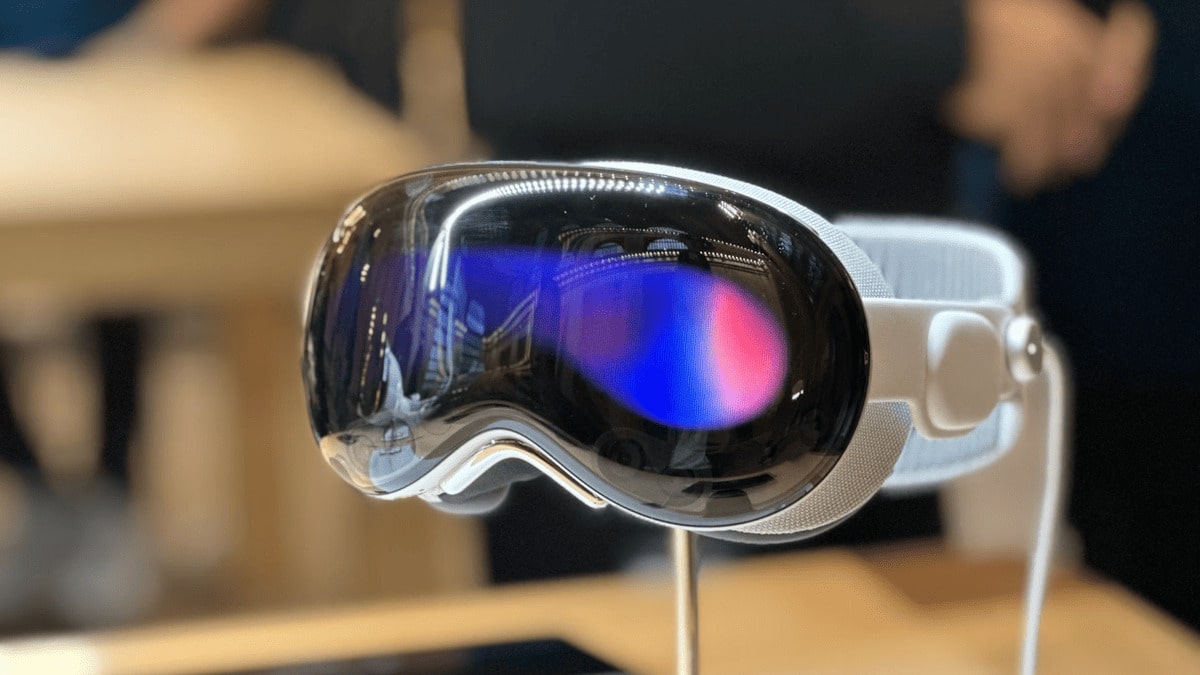
When Apple unveiled its Vision Pro virtual reality (VR) headset, the tech world buzzed with excitement. Packed with cutting-edge features and a sleek, Apple signature design, it was initially hailed as a revolutionary product. But less than a year after its launch, Apple has decided to halt production—leaving many to wonder if the Vision Pro’s ambitious vision simply missed the mark.
Amazon co-founder MacKenzie Scott has donated over $19 billion to charity in just five years
Diamond batteries powered by nuclear waste promise 28,000 years of clean energy
A Pricing Problem Too Big to Ignore
At first glance, the Vision Pro seemed like a game-changer. It sold nearly 200,000 units in the early weeks following its release, an impressive start. However, as time passed and the initial excitement faded, the reality of its pricing set in. With a starting price of €3,999 in France (or $3,499 in the U.S.), it was far beyond the reach of most consumers. The headset quickly found itself competing with more affordable options, like Meta’s Quest line, which offers a similar VR experience at a fraction of the cost.
I remember discussing the Vision Pro with a friend, who joked, “Why would I spend more than two months of rent on a VR headset?” That sentiment seemed to resonate widely. As the price tag loomed large, even tech enthusiasts began to question the value. According to some reports, Apple was left with a stockpile of unsold units, with as many as 500,000 to 600,000 headsets sitting unused. The mismatch between pricing and demand made it clear that the Vision Pro was more of a niche product than Apple had hoped.
Did you know? Apple’s premium products, like the Vision Pro, are known for being costly. The Vision Pro’s price is in line with Apple’s long tradition of high-end tech, but its price tag makes it one of the most expensive consumer electronics to date¹.
A More Affordable Vision on the Horizon?
Despite the end of Vision Pro production, Apple isn’t abandoning the VR market entirely. Tim Cook, in a candid statement, hinted that the company is working on a more affordable version of the headset. By reducing non-essential features and refining the technology, Apple plans to create a product that still offers a premium experience while being more accessible to a broader audience.
Rumors suggest that the new headset could be priced around $2,300, a significant drop from the original model’s steep price. Still, it would remain far more expensive than Meta’s Quest 3, which was recently released at just $329. This puts Apple in the tricky position of trying to strike the right balance between affordability and innovation. The challenge? Offering a high-quality experience that doesn’t break the bank—while still maintaining Apple’s reputation for premium tech.
Can Premium Tech Justify Premium Pricing?
Apple marketed the Vision Pro as more than just a VR device. It was billed as a versatile machine that could even function as a standalone computer, with features similar to a MacBook Pro. But for many consumers, the idea of a “virtual laptop” didn’t quite justify the hefty price tag.
This raises an important question for Apple: Can a premium product justify its premium price, especially when competitors offer similar features at a fraction of the cost? The Vision Pro’s fate serves as a reminder that even the most advanced tech can fail if it doesn’t align with the evolving expectations of consumers. While the headset was undeniably impressive in terms of features, its price point simply didn’t resonate with the mass market.
A Lesson in Consumer Expectations
The Vision Pro’s short-lived run in the market is a valuable lesson for Apple. As Tim Cook and his team look to the future, it’s clear that they’ve learned from the Vision Pro’s missteps. The company is already working on a more affordable VR option, one that could bring immersive technology to a broader audience without alienating potential buyers.
NASA warns China could slow Earth’s rotation with one simple move
This dog endured 27 hours of labor and gave birth to a record-breaking number of puppies
While the Vision Pro may not have lived up to its lofty ambitions, it might ultimately pave the way for future breakthroughs. Apple’s continued focus on VR technology suggests that they are far from giving up on the space. With the right adjustments, they may eventually crack the code for making immersive tech accessible to all.
In the end, the Vision Pro may have failed to become the mass-market product Apple hoped for, but it’s clear that Apple’s journey into the world of virtual reality is far from over. It’s just taking a new direction.
Sources:
-
Apple Inc. “Apple’s Premium Tech Strategy: The Vision Pro’s $3,499 Price Tag.” Apple Official Website, 2023. https://www.apple.com/vision-pro
-
Meta Platforms, Inc. “Meta Quest 3: The New Standard in Affordable Virtual Reality.” Meta Official Website, 2023. https://www.meta.com/quest3
-
TechCrunch. “Apple’s Vision Pro and the Price of Premium VR Technology.” TechCrunch, 2024. https://techcrunch.com/2024/01/19/i-spent-the-morning-with-the-apple-vision-pro/