
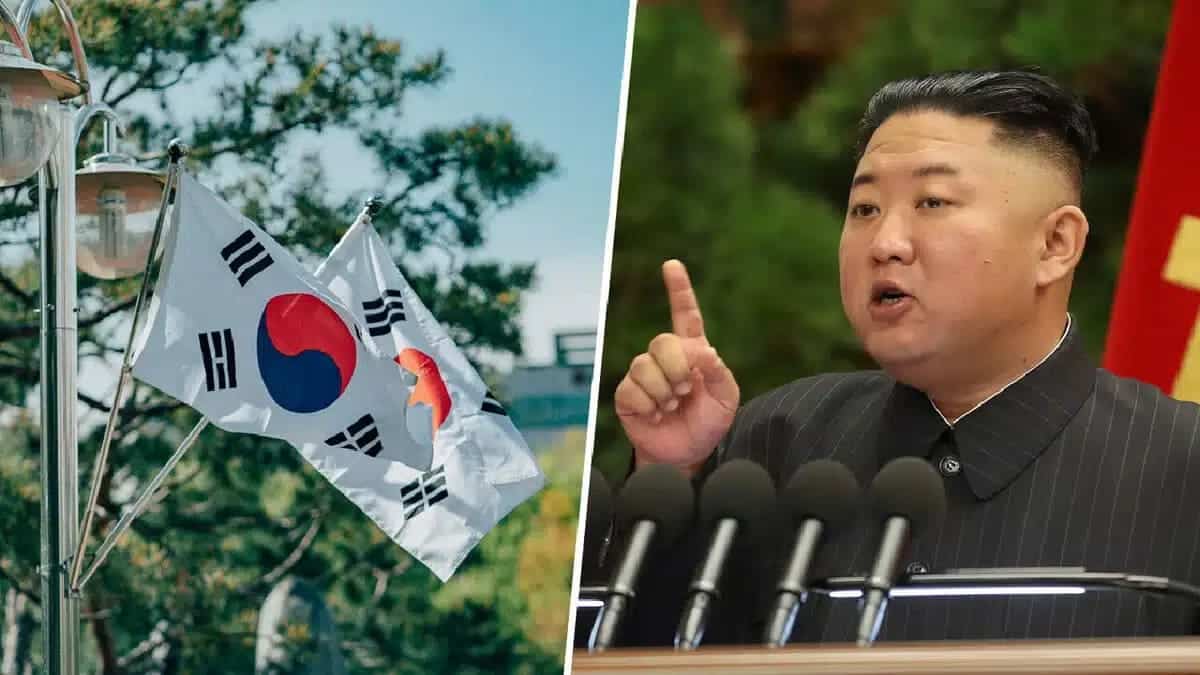
Tensions on the Korean Peninsula have surged once again, this time driven by an unconventional exchange of aerial provocations between North and South Korea. What began as a psychological strategy has now escalated into a serious conflict, with North Korea responding furiously to South Korea’s use of drones and, more notably, to an ongoing barrage of trash balloons. These actions have not only deepened the hostility between the two nations but also raised fears of further military escalation.
Amazon co-founder MacKenzie Scott has donated over $19 billion to charity in just five years
Diamond batteries powered by nuclear waste promise 28,000 years of clean energy
Historical Tensions Escalate
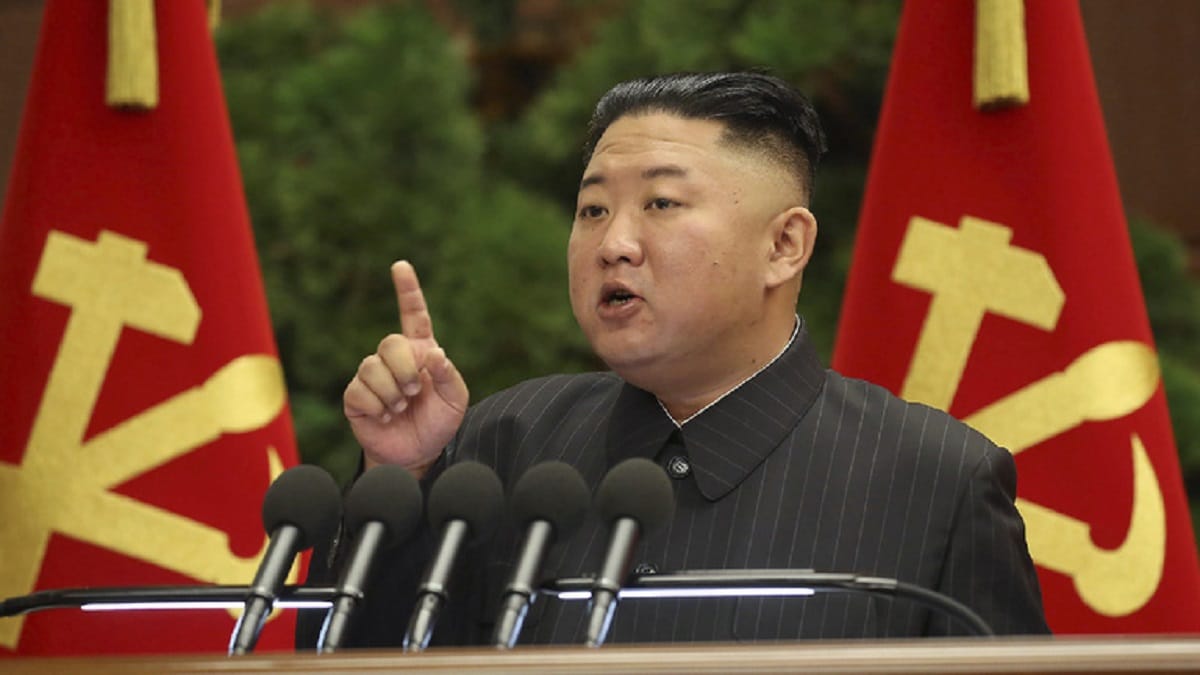
The relationship between North and South Korea has always been strained, dating back to the armistice signed in 1953. Though technically still at war, the two countries have been separated by one of the most fortified borders in the world, and the dream of reunification seems more distant than ever. Recently, tensions were further inflamed when Kim Jong-un, North Korea’s leader, labeled Seoul as the “primary enemy” earlier this year. This pronouncement has only exacerbated the already fraught relations, setting the stage for a dangerous escalation.
Jane Park, a resident of Seoul, shared her unease: “Living so close to North Korea always brings a sense of tension, but these latest developments make it hard to feel safe.”
Unusual Tactics Intensify Conflict
In recent months, both sides have engaged in an unusual form of aerial psychological warfare. South Korea has launched drones carrying political leaflets aimed at undermining the North Korean regime, while North Korea has retaliated with trash-filled balloons. These balloons are more than just symbolic—they serve to harass and disrupt daily life in the South, creating tangible problems and intensifying mutual distrust.
In early October, North Korea reported spotting a drone over Pyongyang carrying anti-regime pamphlets, leading to widespread outrage. North Korea’s Foreign Ministry condemned the drone as a vehicle for “seditious rumors and political waste,” and Kim Yo-jong, the sister of Kim Jong-un, threatened a “strong response” to any future violations of North Korean airspace. She warned of a “horrible disaster” if these drone incursions continued. Meanwhile, South Korea’s Defense Ministry denied any military involvement, suggesting that the drone launches might be the work of private citizens, muddying the waters even further.
Trash Balloons Target Seoul
The escalating drone activity isn’t the only source of tension. Since May, Seoul has been inundated with over 5,500 balloons launched from the North, filled with trash, sewage, and at times, hazardous materials. Dubbed “balloons of anger,” these releases are intended to not only disrupt the South but also psychologically torment its citizens. The balloons have caused fires and damaged infrastructure, raising concerns about the potential inclusion of dangerous objects in future payloads, such as biological weapons.
In response to these provocations, South Korea has vowed to take “decisive military action” if any balloon causes casualties or crosses a designated red line. There are even discussions about using drones to intercept and neutralize these balloons before they can reach South Korean soil, a move that could lead to further escalation.
NASA warns China could slow Earth’s rotation with one simple move
This dog endured 27 hours of labor and gave birth to a record-breaking number of puppies
Mark Thompson, a defense analyst at the International Institute for Strategic Studies (IISS), pointed out, “This back-and-forth aerial exchange is a dangerous escalation that could quickly spiral into a broader conflict.”

A Mirror of Provocations
These balloon and drone incidents are just the latest chapter in a long history of psychological warfare between North and South Korea. South Korea and various activist groups have previously launched balloons into the North, carrying anti-Kim Jong-un leaflets, money, and even USB drives with K-pop music. These efforts aim to weaken the regime’s hold on power, but Pyongyang has always responded with hostility, often using drones to surveil Seoul. In December 2022, five North Korean drones flew over South Korea, prompting a scramble of fighter jets to intercept them.
Elena Kim, a political science professor at Seoul National University, explained, “Both Koreas are engaged in a modern propaganda battle, using technology to send messages and assert dominance without direct military confrontation.”
Breaking the Deadlock
The recent rise in tensions has pushed North Korea to take even more aggressive actions, including sabotaging roadways that connect the two countries. This move serves as a clear message to Seoul that any form of communication or dialogue is now off the table. Despite the heavily fortified Demilitarized Zone (DMZ), North Korea is signaling a complete breakdown in any potential for peaceful negotiations.
In retaliation, South Korea has revived old psychological warfare tactics, such as broadcasting propaganda and K-pop songs into the North via loudspeakers. These efforts are designed to demoralize the North Korean populace and weaken the regime’s grip on power.
As both Koreas continue to deepen their entrenched positions, the international community watches closely, concerned that the situation may soon spiral out of control. The exchange of trash balloons and drone strikes underscores just how fragile and volatile the situation is, leaving the region on the edge of an unpredictable future.