
A tiny cube-shaped jellyfish with an otherworldly vision system has been discovered in Hong Kong, revealing surprising adaptations in a freshwater environment. This venomous creature challenges our understanding of how jellyfish evolve outside the open ocean.
Amazon co-founder MacKenzie Scott has donated over $19 billion to charity in just five years
Diamond batteries powered by nuclear waste promise 28,000 years of clean energy
A Surprising Encounter in Mai Po
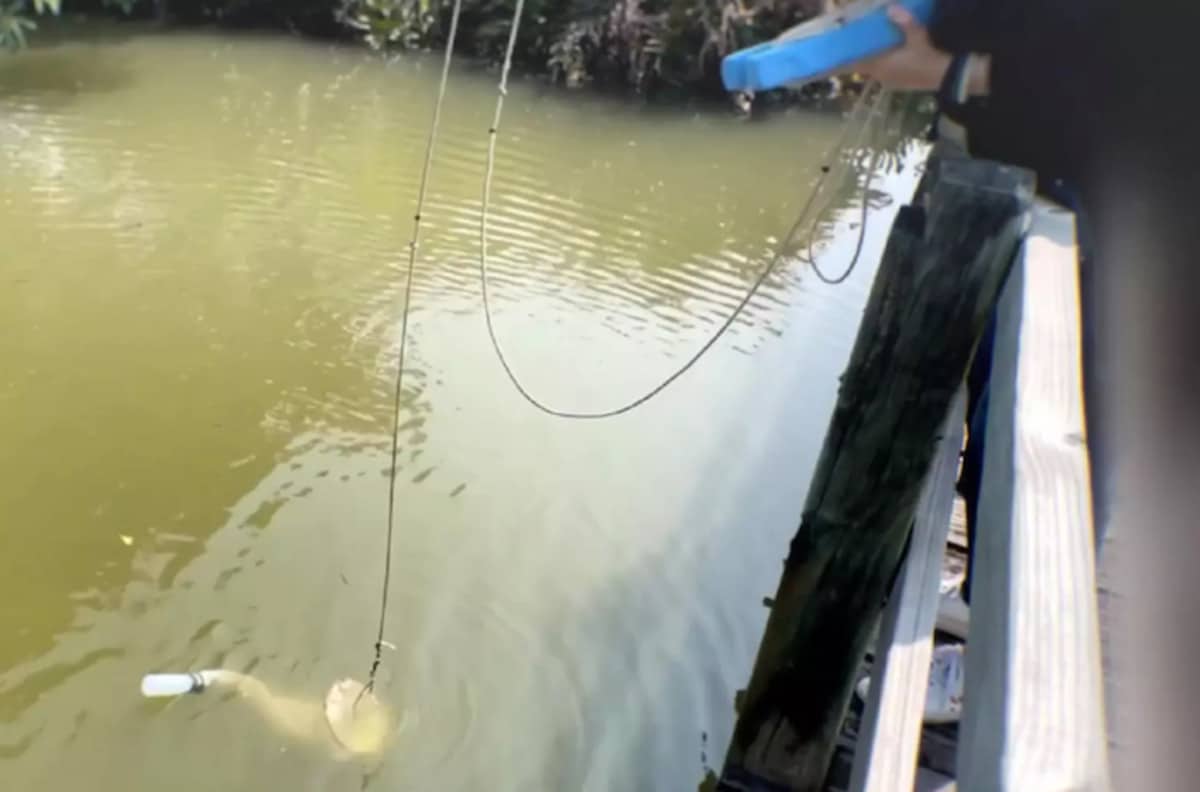
During a routine water survey at Hong Kong’s Mai Po Nature Reserve, researchers netted an unexpected specimen from a brackish gei wai shrimp pond—Tripedalia maipoensis, a cube-shaped box jellyfish barely 1 cm across¹. Unlike the familiar bell-shaped medusae, this transparent organism sports perfect right angles, giving it a geometric appearance that stunned the team led by Dr. Laura Chen.
Did you know? Gei wai ponds are traditional tidal shrimp farms that sustain a rich web of mangrove and aquatic life, making them biodiversity hotspots in the Mai Po wetlands.
The Venomous Marvel with 24 Eyes
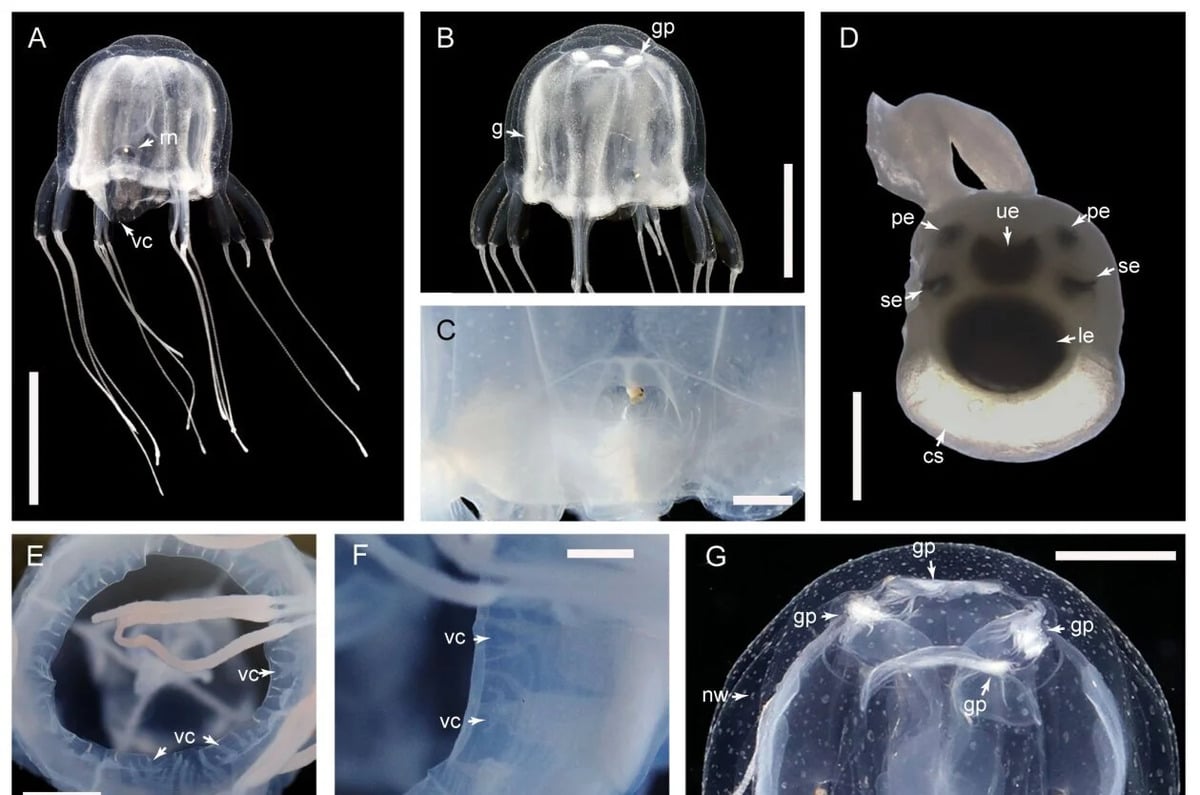
Tripedalia maipoensis boasts an astonishing 24 eyes—six clusters of four at its corners³. Two lens-type eyes in each cluster capture images, while the other two detect light intensity, granting the jellyfish sophisticated visual feedback rarely seen outside vertebrates². Despite its minuscule size, this venomous species can deliver painful stings typical of box jellyfish, underscoring its dual nature as both scientific wonder and potential hazard.
Unique Features That Set It Apart
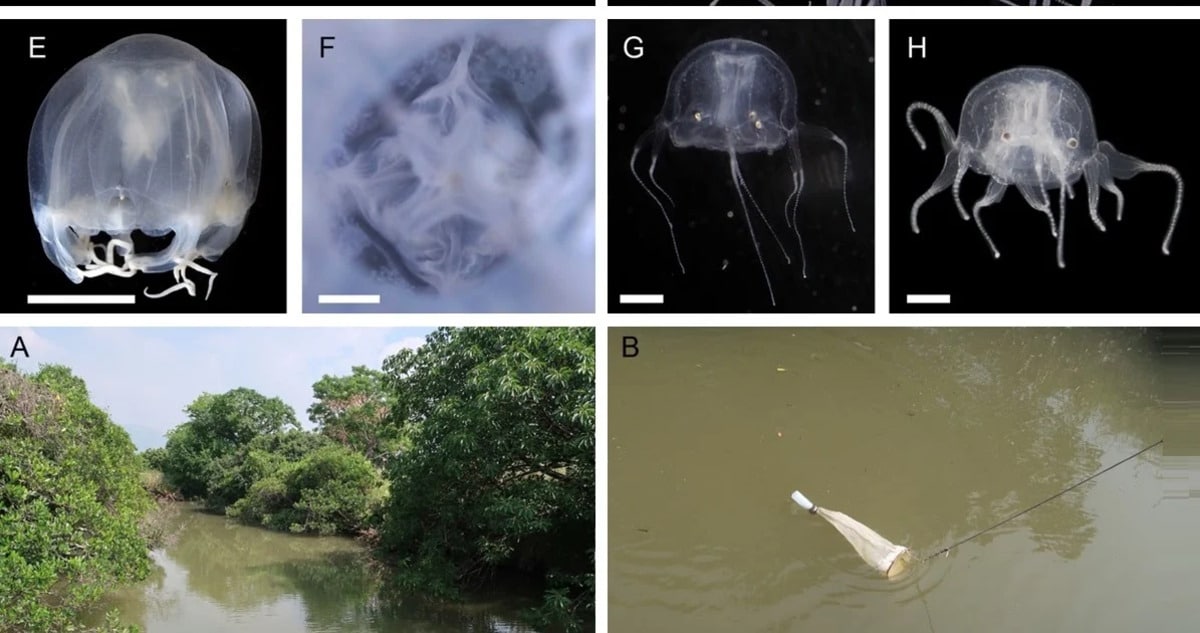
Beyond its ocular array, T. maipoensis uses paddle-like tentacle bases—resembling miniature outboard motors—to navigate swiftly through murky pond waters³. In follow-up dives, researchers observed it darting among floating vegetation with agility comparable to much larger marine swimmers. These paddle-tentacles, combined with venomous nematocysts, enable the jellyfish to hunt tiny prey and evade predators in its brackish habitat.
The Significance of This Discovery
The formal description of Tripedalia maipoensis in Zoological Studies marks the fourth species in the family Tripedaliidae¹. Its evolution in a shrimp pond environment offers a unique case study in freshwater adaptability and venom evolution. Conservationists warn that Mai Po’s delicate ecosystems, threatened by development and climate change, may conceal other unknown species—underscoring the need for habitat protection.
Embracing the Wonders of Nature
Discoveries like this remind us that even well-studied locales can harbor hidden marvels. As the World Wildlife Fund notes, continued research and wetland conservation are vital to safeguarding both known and yet-to-be-discovered species—and to preserving the intricate balance of ecosystems that sustain them.
NASA warns China could slow Earth’s rotation with one simple move
This dog endured 27 hours of labor and gave birth to a record-breaking number of puppies
Footnotes
-
Hong Kong Baptist University, “Tripedalia maipoensis: A New Box Jellyfish Species from Mai Po”; https://www.fox13news.com/news/see-it-before-it-sees-you-new-species-of-jellyfish-found-with-24-eyes
-
HuffPost, “Intriga entre los científicos al sacar del agua una nueva criatura con 24 ojos y altamente venenosa,” 2025; https://www.huffingtonpost.es/life/animales/intriga-cientificos-sacar-agua-nueva-criatura-24-ojos-altamente-venenosa.html
-
Zoological Studies, “The Fourth Species of Tripedaliidae and Its Unique Paddle-Tentacle Locomotion,” 2024; https://zoolstud.sinica.edu.tw/Journals/62/62-17.pdf