
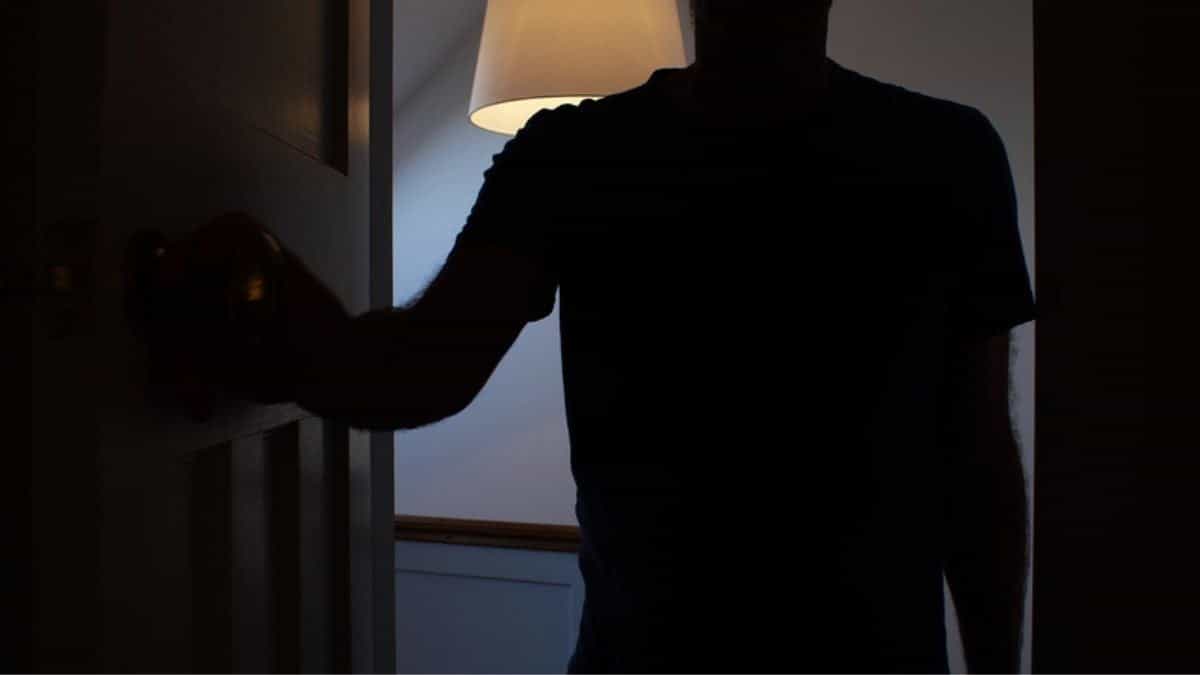
Last winter, I found myself dozing off with my bedroom door wide open, convinced that I’d hear any noise from outside. That night, I stumbled upon a public safety campaign by the UL Fire Safety Research Institute (UL FSRI), and it completely changed my perspective. It turns out that closing your bedroom door when you go to bed is more than just a personal preference—it could be a life-saving practice.
Amazon co-founder MacKenzie Scott has donated over $19 billion to charity in just five years
Diamond batteries powered by nuclear waste promise 28,000 years of clean energy
A simple habit promoted by fire safety experts
In 2019, UL FSRI launched a national initiative urging Americans to close doors at night. Their message was clear: “A closed door can become an effective barrier against carbon monoxide, smoke, and fire.” I remember reading their report while sipping coffee after work, feeling skeptical at first. How could something as mundane as shutting a door make that much of a difference? But UL FSRI’s research shows that a closed door can significantly delay the spread of dangerous gases and flames, giving occupants precious extra minutes to escape.
According to UL FSRI, nearly 29% of Americans still sleep with their doors open, believing that an open door provides a quicker exit in an emergency. Yet this common misconception can cost lives. By keeping your bedroom door closed, you create a protective barrier that slows down fire progression, allowing more time for smoke alarms to wake you and for you to navigate your escape route safely.
Modern homes burn faster—closing doors matters more than ever
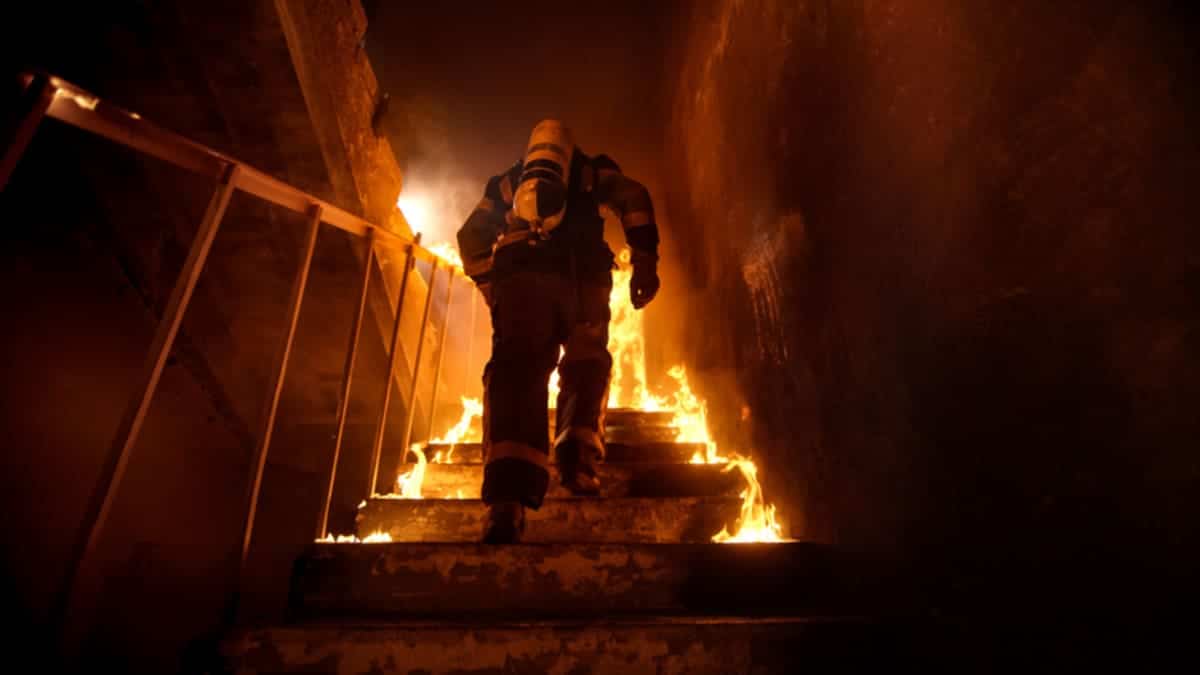
Back in the 1970s, families had an average of 17 minutes to evacuate a burning home. Fast-forward to today, and that window has shrunk to just three minutes. Why the drastic change? Much of it comes down to the materials used in modern furnishings. Contemporary sofas, mattresses, and carpets often contain highly flammable chemicals, which cause fires to spread at alarming speeds. During a recent conversation with a firefighter friend, he told me that “modern fires can turn deadly within seconds due to synthetic materials in furniture.”
By shutting your bedroom door before drifting off, you hinder the advance of flames and toxic smoke. Even if the blaze originates elsewhere in the house—say, a kitchen fire—your closed door buys you critical seconds to process the alarm, check for smoke at the crack of the door, and find a safer exit. In my own home, I installed a UL-listed smoke alarm in each bedroom and made it a nightly ritual to close doors before lights out. That small habit now feels like an essential layer of safety.
The role of smoke detectors and awareness
Of course, shutting doors is just one piece of the puzzle. To maximize your odds of waking up in time, install a single-station smoke alarm (DAAF in France, simply a “smoke detector” here) in every bedroom and on each level of your home. UL FSRI’s studies reveal that working smoke alarms can reduce the risk of dying in a house fire by 50%. During a recent community workshop, I met a neighbor who credited her smoke alarm with giving her and her family the few seconds needed to escape a late-night electrical fire. She confessed that without that early warning and a closed bedroom door, the outcome could have been much worse.
Closing doors isn’t always intuitive. Many of us grew up thinking open doors meant easier escapes. Yet statistics and expert advice paint a different picture: a closed door can keep you breathing fresh air a bit longer, keep heat at bay, and slow toxic gases from entering your sanctuary. Coupled with properly maintained smoke detectors, this simple nightly routine can mean the difference between a close call and a tragedy.
NASA warns China could slow Earth’s rotation with one simple move
This dog endured 27 hours of labor and gave birth to a record-breaking number of puppies
In the end, adopting this habit takes only seconds but delivers invaluable peace of mind. As UL FSRI puts it, “Locking that latch before sleep can potentially save lives.” So tonight, when you head to bed, remember: a closed door might just be your best defense against the unexpected.