

It seems logical enough: the closer you are to the Sun, the hotter things should get. By that reasoning, Mercury, the innermost planet in our solar system, should be the one boiling away under the Sun’s relentless glare. But space, as always, loves a good twist. Despite being nearly 50 million kilometers farther from the Sun than Mercury, Venus holds the crown as the hottest planet in our solar system. So, what gives?
Amazon co-founder MacKenzie Scott has donated over $19 billion to charity in just five years
Diamond batteries powered by nuclear waste promise 28,000 years of clean energy
A tale of two planets—and one thick atmosphere
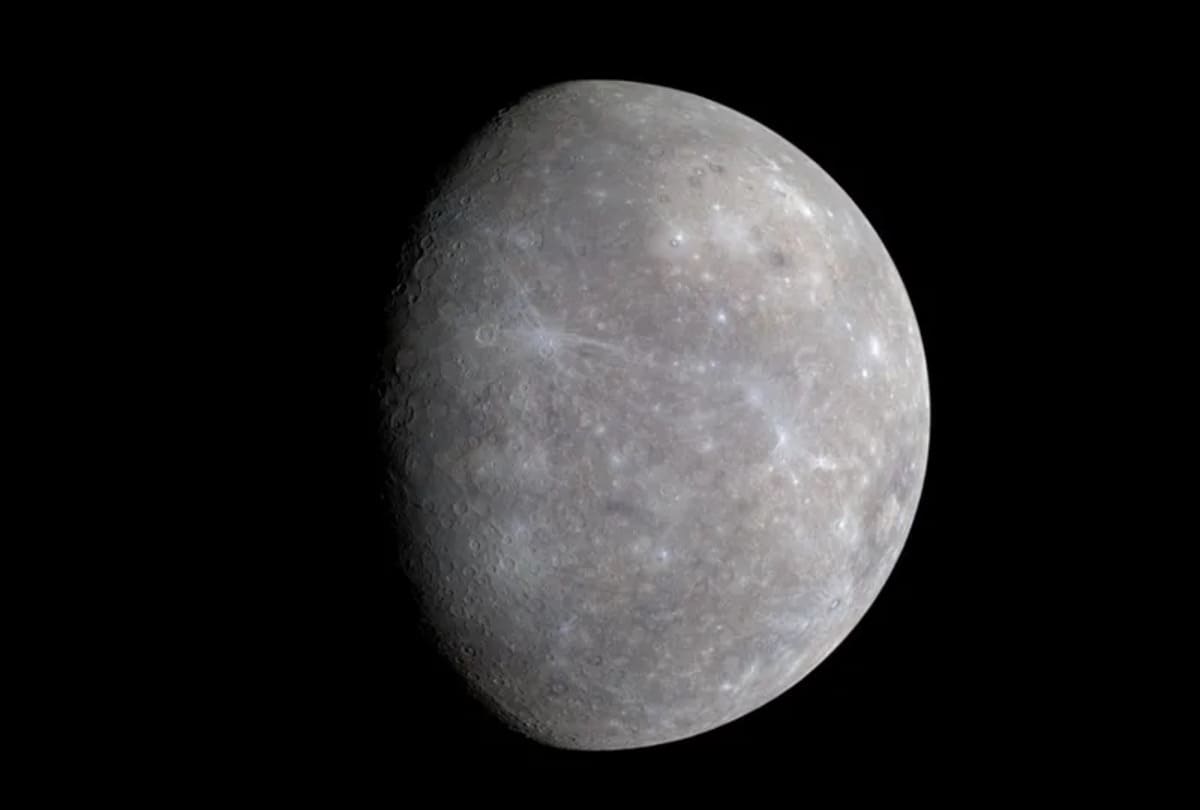
Let’s start with Mercury. This scorched little rock zips around the Sun at distances ranging from 46 to 69 million kilometers. During the day, its sunlit surface can roast at temperatures reaching 430°C. But here’s the thing: Mercury doesn’t hold onto heat. As soon as the Sun dips below the horizon, surface temperatures can plunge to a frigid -180°C. Why such an extreme swing?
The answer lies in its complete lack of a real atmosphere. Mercury only has a tenuous exosphere—a ghostly thin layer of particles too sparse to retain heat. Picture standing in the desert at noon, then again at midnight. No clouds, no humidity—just raw heat escaping into the blackness of space.
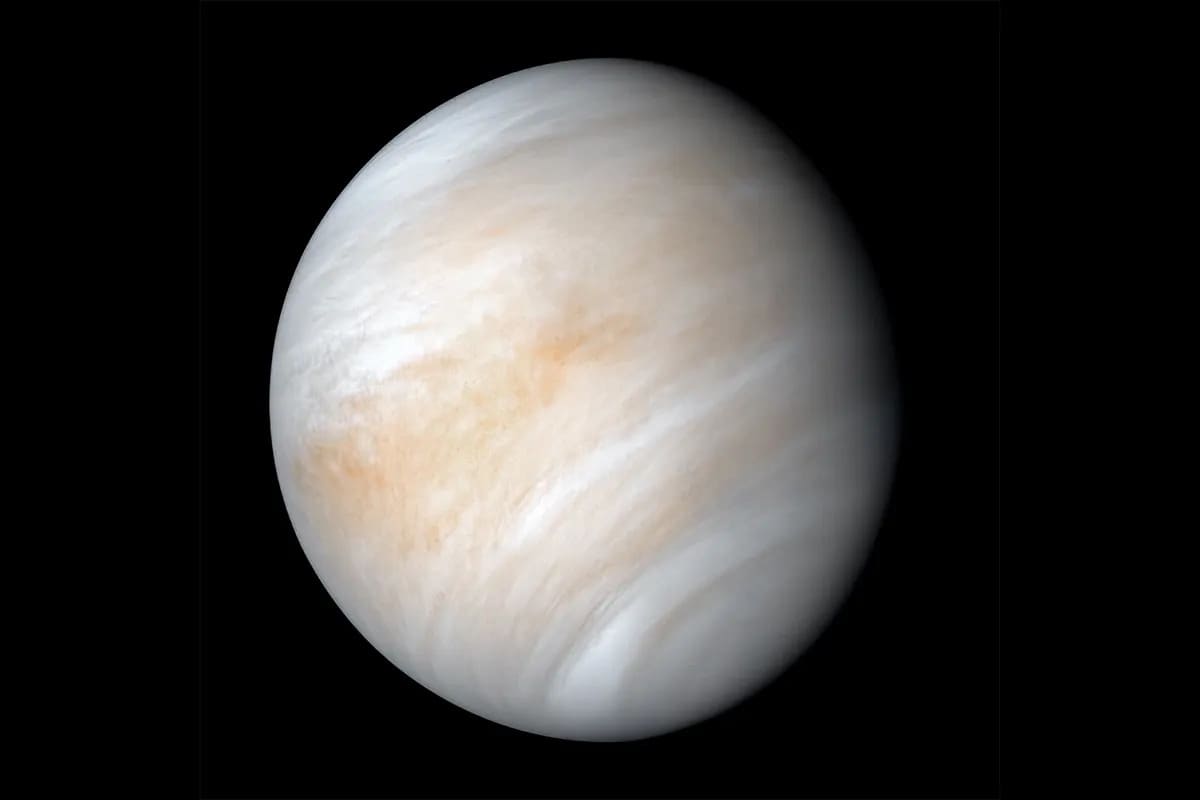
Now, swing over to Venus. On paper, it shouldn’t be hotter. It’s farther from the Sun—around 108 million kilometers away. That means it receives less solar energy than Mercury. But Venus has a trick up its sleeve: a dense, carbon dioxide-rich atmosphere that wraps the planet in a suffocating thermal blanket.
The power of a runaway greenhouse effect
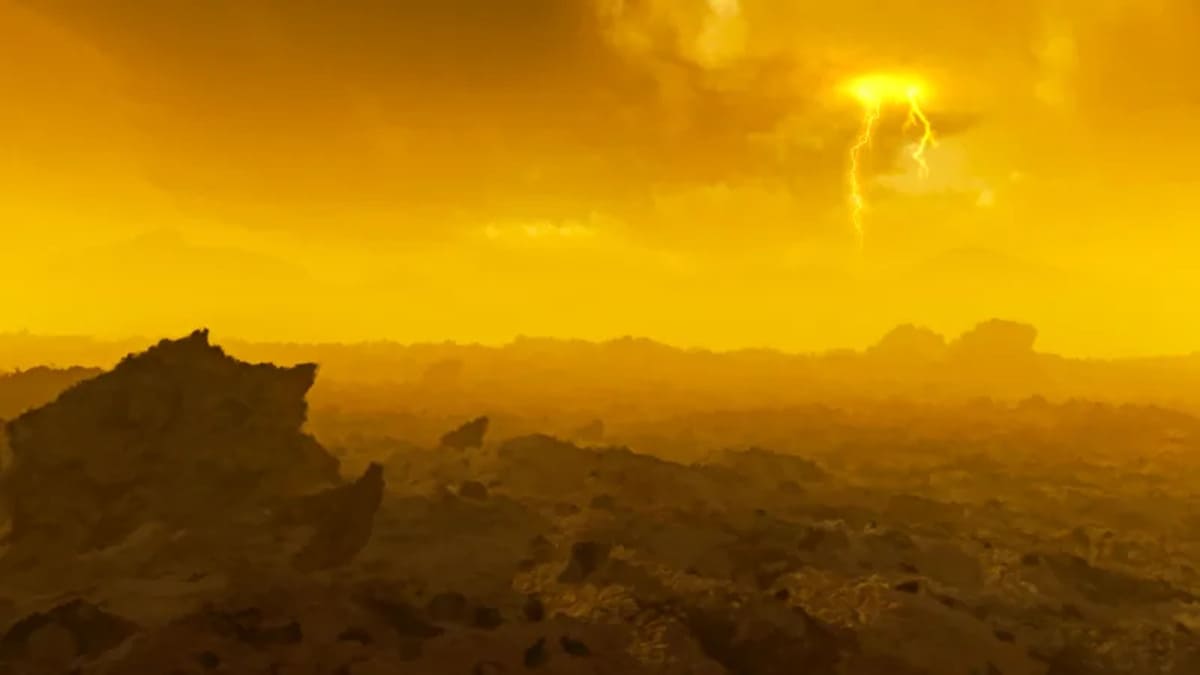
Venus’s atmosphere is about 96% carbon dioxide, a gas known for its heat-trapping properties. Combine that with thick clouds of sulfuric acid and a surface pressure 92 times that of Earth, and you’ve got a recipe for a planetary oven. On Venus, infrared radiation—the heat emitted by the planet itself after absorbing sunlight—can’t escape. It’s reabsorbed, again and again, creating a runaway greenhouse effect that’s driven surface temperatures to an average of 464°C.
NASA warns China could slow Earth’s rotation with one simple move
This dog endured 27 hours of labor and gave birth to a record-breaking number of puppies
It doesn’t matter if it’s day or night on Venus—the temperatures barely budge. The thick atmosphere distributes heat so effectively that no part of the planet ever gets much of a break.
What about Earth?
Earth also has carbon dioxide in its atmosphere—thankfully, in much smaller amounts. That CO₂, along with water vapor and methane, helps trap just enough heat to make Earth habitable. But here’s the part that should make us sit up and pay attention: scientists believe Venus might once have looked more like Earth.
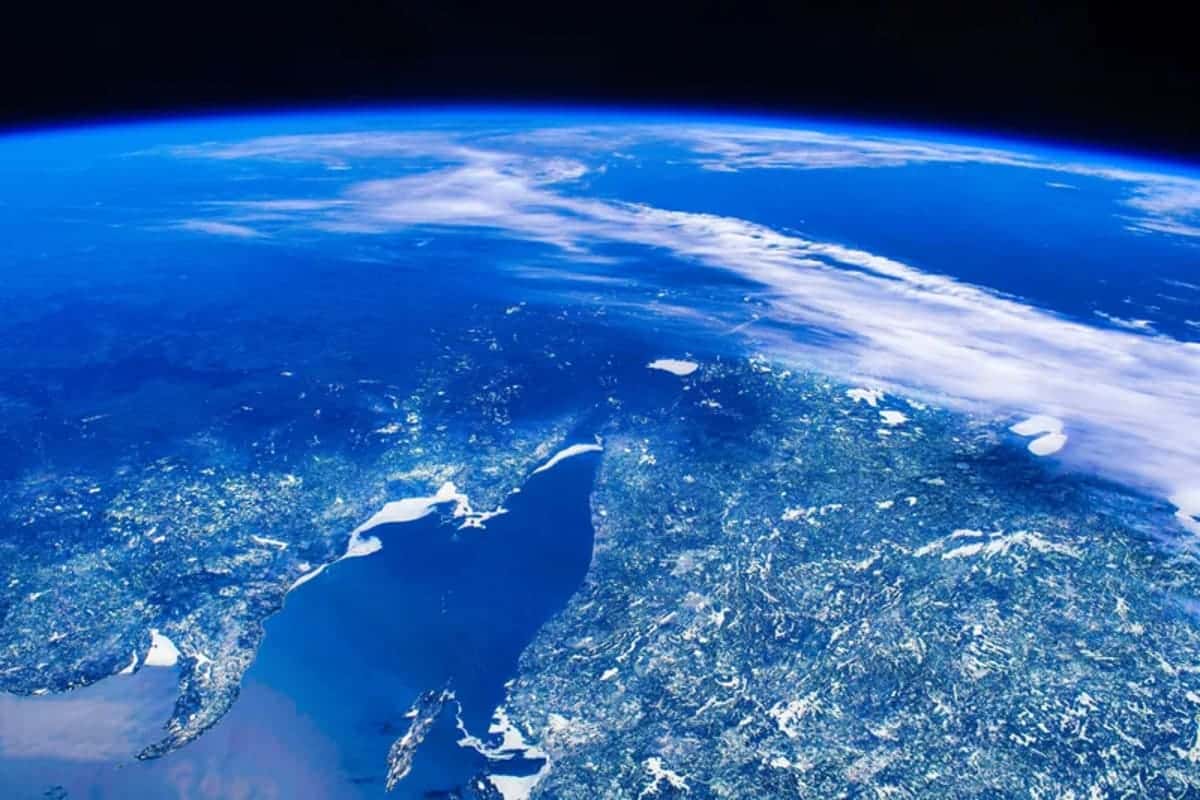
Some theories suggest Venus had liquid water billions of years ago. But as temperatures crept up, the oceans evaporated, adding more water vapor to the atmosphere—another potent greenhouse gas. That kicked off a self-reinforcing cycle. With no oceans left to absorb CO₂, it built up in the atmosphere, sealing the planet’s fate as a scorching wasteland.
A cautionary cosmic mirror
The contrast between Mercury and Venus isn’t just a quirky space fact—it’s a stark climate warning. While Earth’s atmosphere is nothing like Venus’s (yet), the lesson stands: greenhouse gases matter. If you trap heat, the planet heats up. And without checks and balances—like oceans, ice caps, and carbon sinks—that heat can spiral out of control.
Venus shows us what happens when the thermostat is broken and the doors are locked shut. It’s not science fiction. It’s just physics—on a planetary scale.