
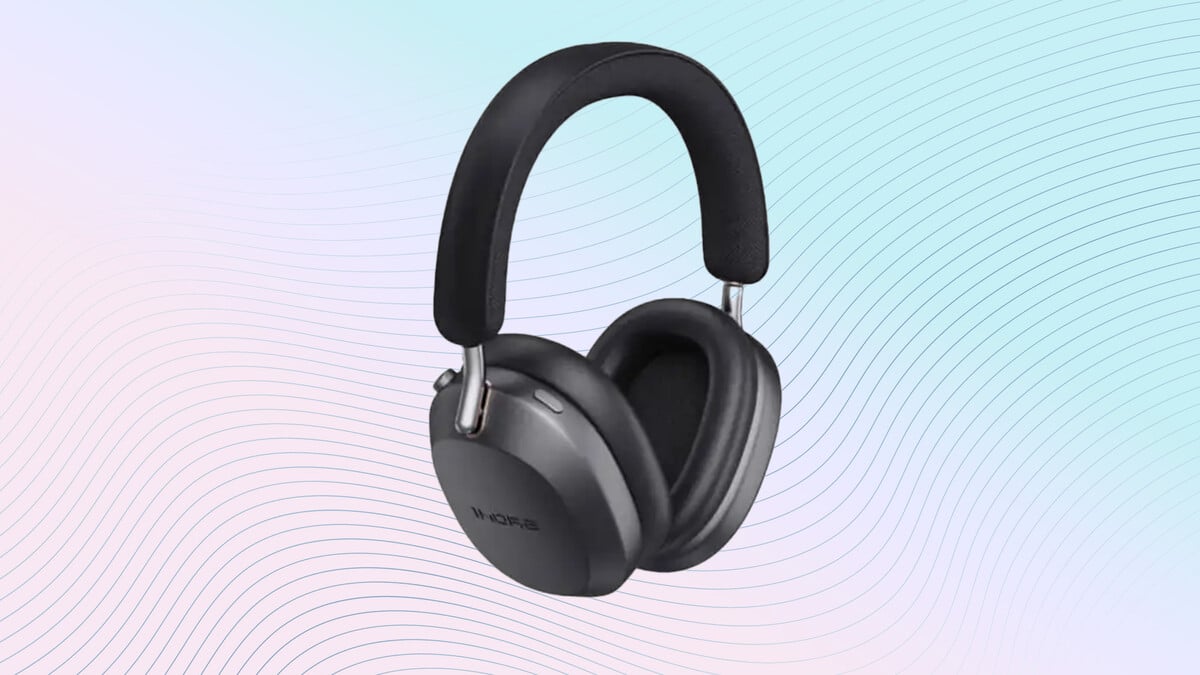
For over a decade, Bluetooth headphones have dominated the wireless audio market, offering convenience, portability, and steady improvements in sound quality. But a new technology is quietly emerging that could challenge Bluetooth’s reign—Wi-Fi headphones.
Amazon co-founder MacKenzie Scott has donated over $19 billion to charity in just five years
Diamond batteries powered by nuclear waste promise 28,000 years of clean energy
While Bluetooth has become synonymous with wireless listening, it comes with limitations that audiophiles have long struggled with, particularly sound compression and latency issues. Now, with the introduction of Wi-Fi-enabled headphones, we may finally be looking at a future where wireless doesn’t mean compromising on sound quality.
The Promises of Wi-Fi Audio
The biggest selling point of Wi-Fi headphones is their vastly superior bandwidth. While Bluetooth struggles to exceed 1 Mbps in real-world conditions, Wi-Fi can handle several hundred Mbps with ease. What does this mean in practice?
- Lossless audio streaming – Wi-Fi headphones can transmit high-resolution audio up to 24-bit/192 kHz, a quality level that Bluetooth simply cannot match due to its compression limitations.
- Lower latency – With reduced delay, Wi-Fi could be a game-changer for studio monitoring, live performances, and even competitive gaming, where every millisecond matters.
- Seamless integration into home ecosystems – Imagine switching your Netflix audio from your soundbar to your headphones instantly, without lag or quality loss. Wi-Fi could make this effortless.
- No more tedious pairing – Instead of managing multiple Bluetooth connections, Wi-Fi headphones can connect automatically as long as they are on the same network.
For those seeking wireless audio without compromise, Wi-Fi presents a compelling alternative—but it’s not without its challenges.
The Reality Behind the Hype
As exciting as Wi-Fi headphones sound, there are some technical and practical hurdles that manufacturers need to overcome.
Battery Life Concerns
Wi-Fi chips are significantly more power-hungry than Bluetooth chips. Since Wi-Fi requires more energy to maintain a stable connection, this could mean shorter battery life, unless manufacturers implement serious power optimizations.
Dependence on a Network
Unlike Bluetooth, which establishes a direct connection between devices, Wi-Fi headphones rely on an existing network. This means:
- No Wi-Fi, no connection – You can’t just pull out your headphones and connect on the go.
- Limited use in outdoor settings – Unless you have a mobile hotspot, Wi-Fi headphones won’t be practical for commuting or traveling.
Higher Costs
Integrating miniaturized, power-efficient Wi-Fi chips optimized for audio isn’t cheap. This added complexity means that Wi-Fi headphones will likely be more expensive than their Bluetooth counterparts, at least in the short term.
NASA warns China could slow Earth’s rotation with one simple move
This dog endured 27 hours of labor and gave birth to a record-breaking number of puppies
Compatibility Issues
Even if Wi-Fi headphones offer superior sound quality, they’re only as good as the audio source feeding them. Not all devices currently support high-resolution Wi-Fi audio streaming, so early adopters may run into limitations with their existing setups.
Where Do Wi-Fi Headphones Stand Today?
While Wi-Fi audio has been a topic of speculation for years, few products have made it to market. There was hope that Sonos Ace would lead the charge, but its current implementation still relies on Bluetooth alongside Wi-Fi, rather than offering true Wi-Fi audio streaming.
Right now, the 1More SonoFlow Max is one of the first consumer Wi-Fi headphones to be announced, showcased at CES 2024. Alongside Bluetooth 5.3 support, it features:
- 55-hour battery life with ANC, making it one of the longest-lasting wireless headphones available.
- Local music storage, allowing users to play music without a connected device.
- Voice and motion controls, including head tracking and gesture commands.
- Camera control and fall detection, adding an extra layer of functionality beyond just audio.
While the technology is still in its infancy, Wi-Fi headphones are starting to gain traction—and in the coming years, they could redefine what we expect from wireless audio.
The Future of Wireless Audio
Wi-Fi headphones may not replace Bluetooth overnight, but they represent an exciting shift toward higher-fidelity wireless listening. As manufacturers refine battery efficiency, compatibility, and connectivity solutions, Wi-Fi could soon become the go-to choice for those who refuse to compromise on sound quality.
For now, Bluetooth remains the most convenient and widely supported option, but if you’re an audiophile or just someone who values top-tier sound, Wi-Fi headphones are worth keeping an eye on. The next generation of wireless audio is coming, and it might just make Bluetooth feel outdated.